Is This Photo Real? Apple Reference Image and the "Digital Negative" for the AI Era
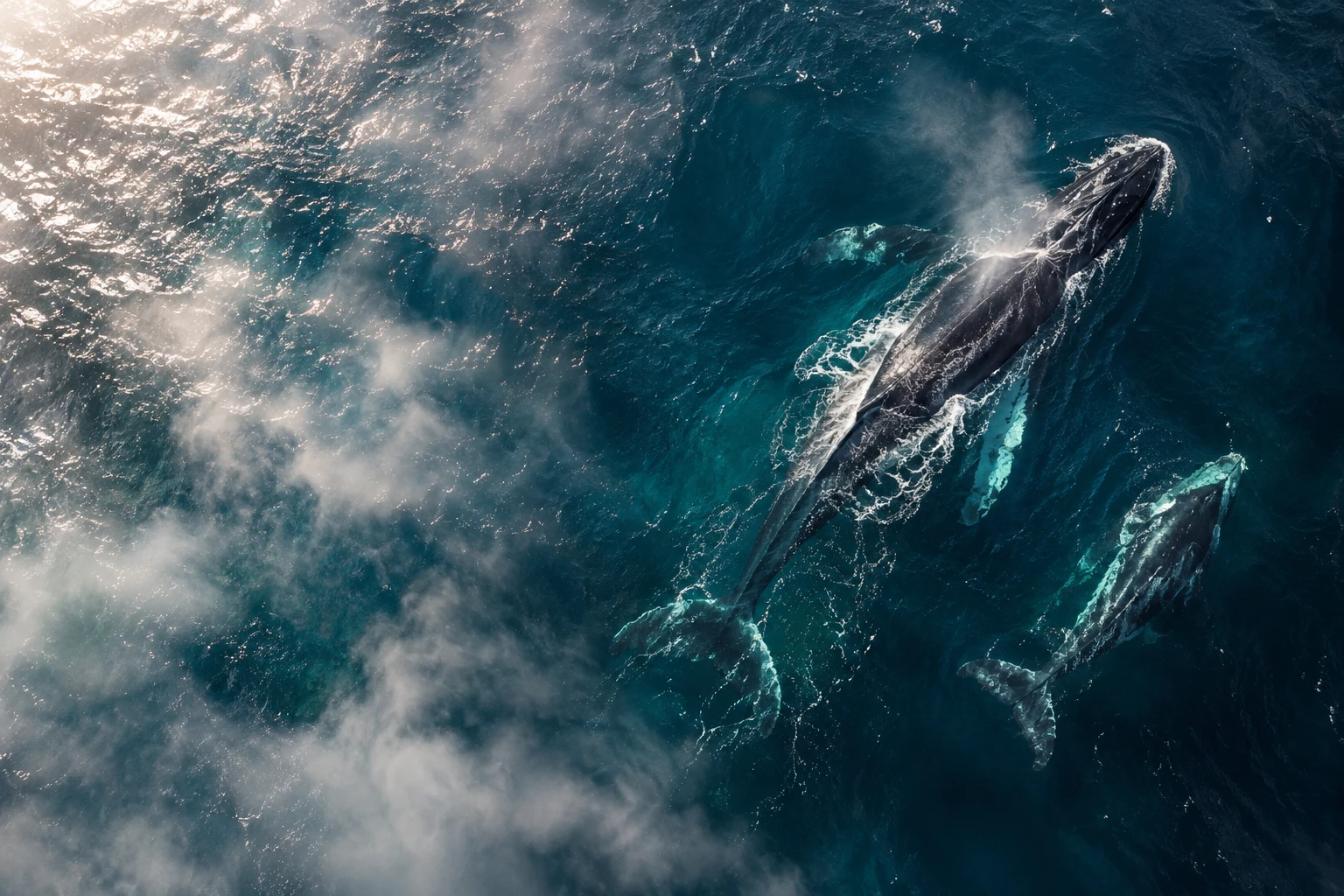
Take a look at the photos below.
Four of them are real photographs, and five were made with generative AI.
How many can you tell apart?
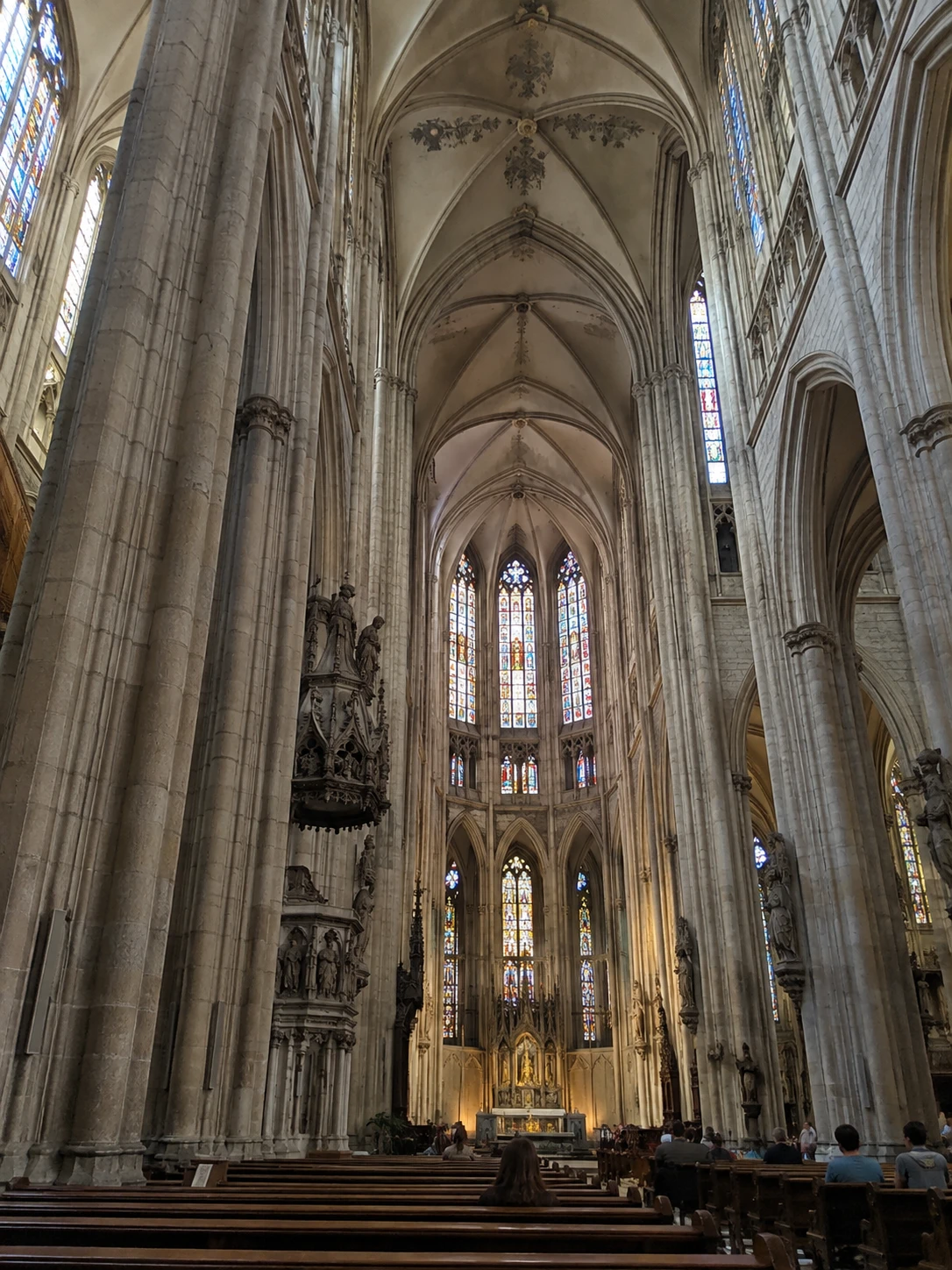
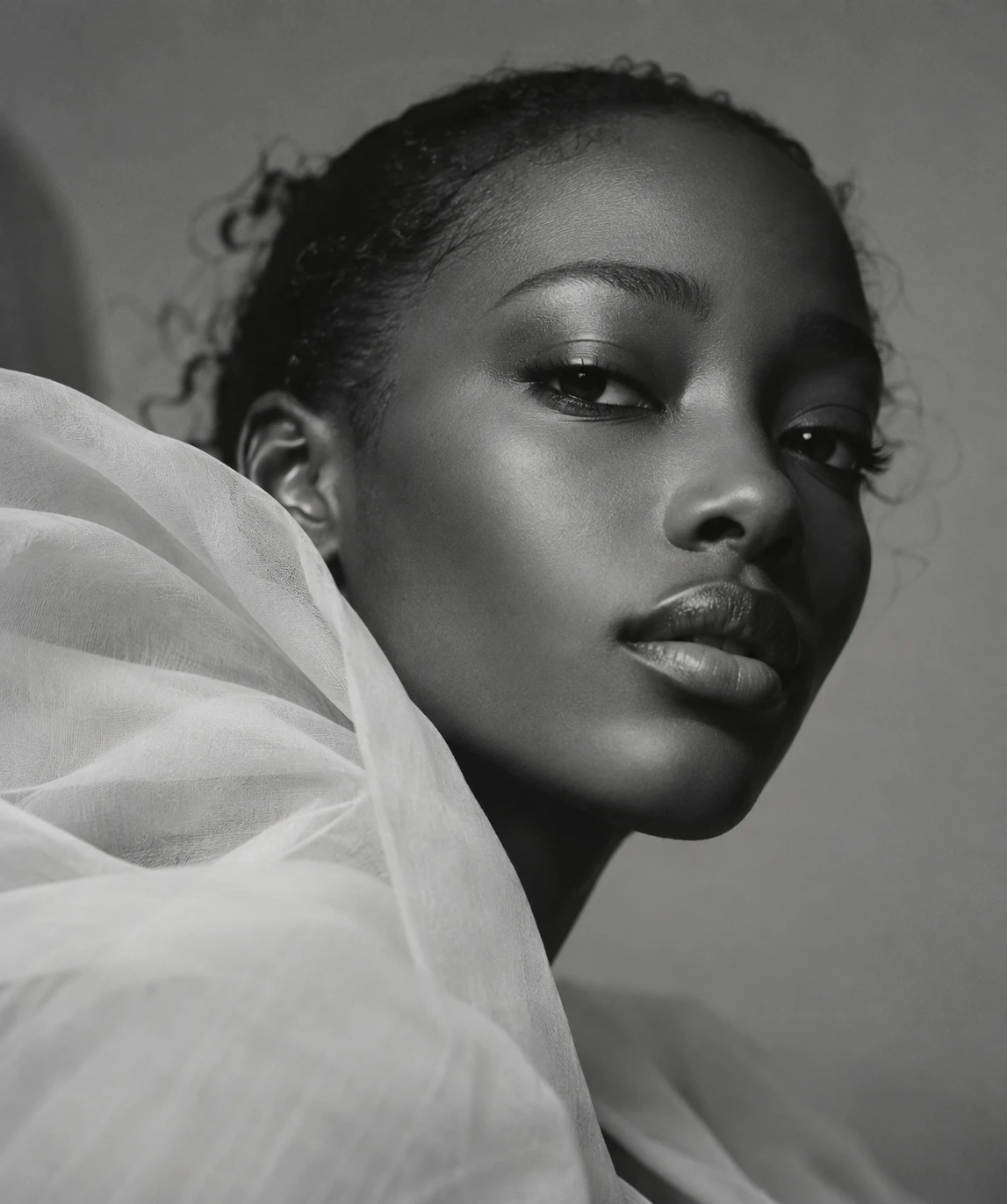
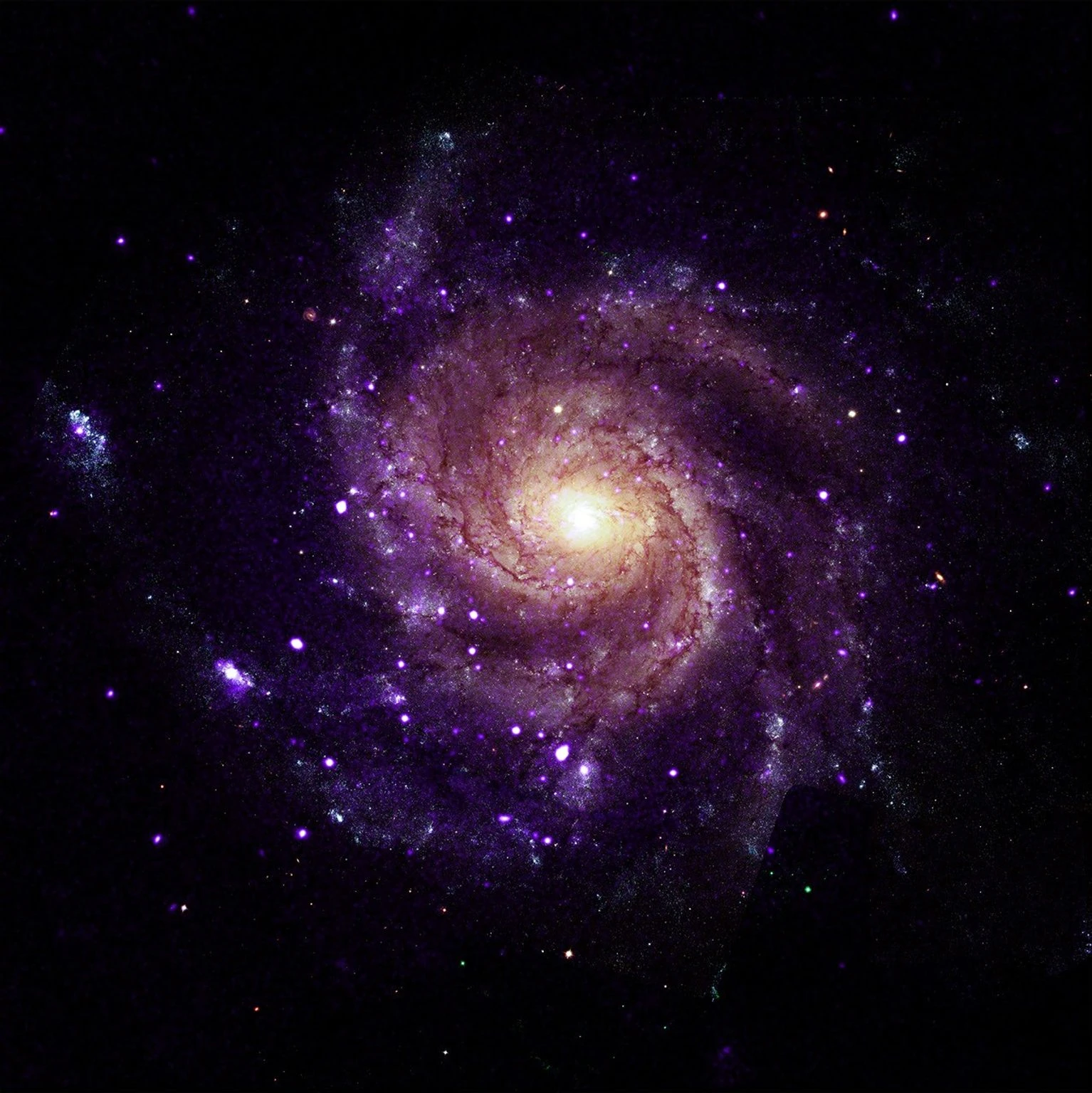
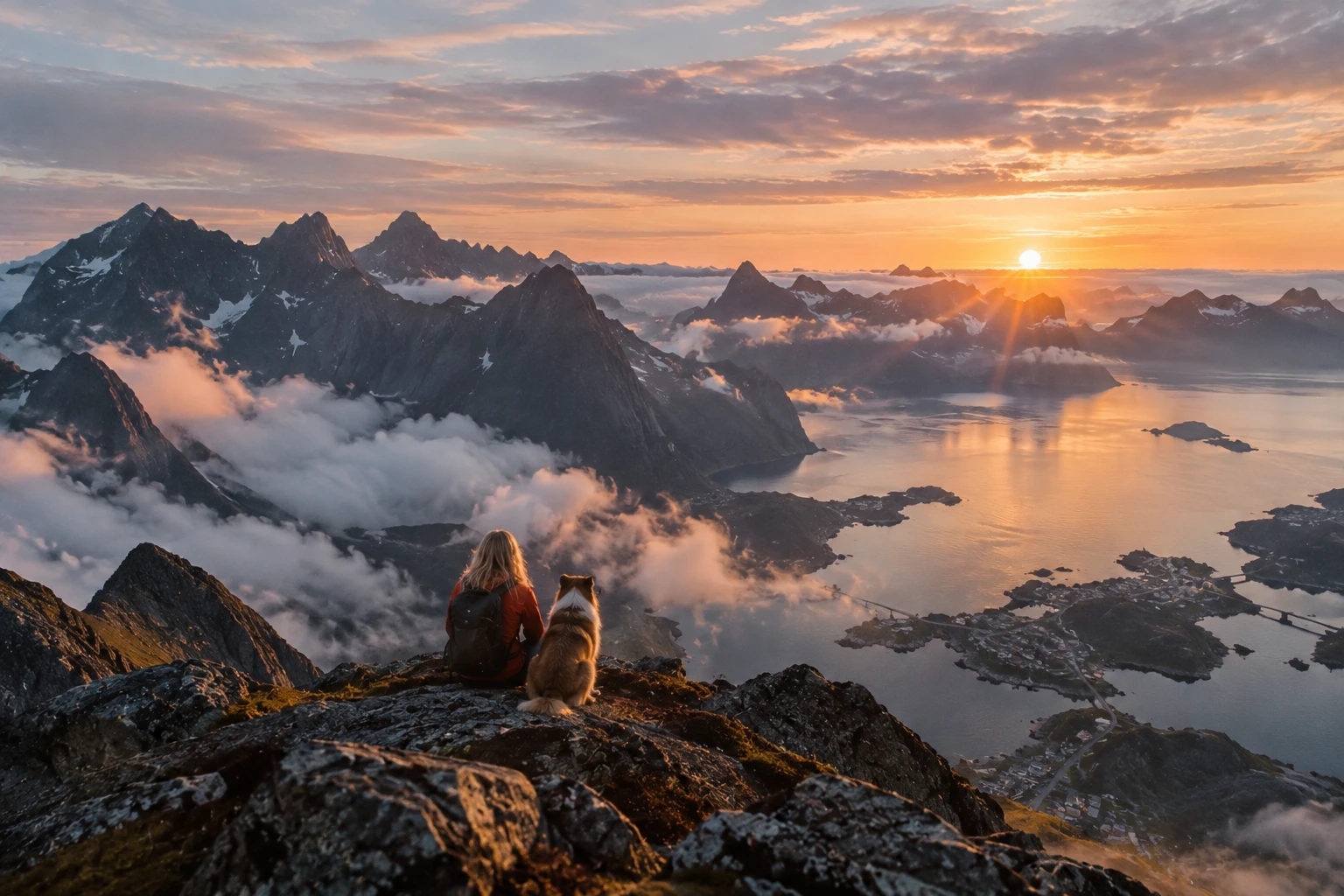

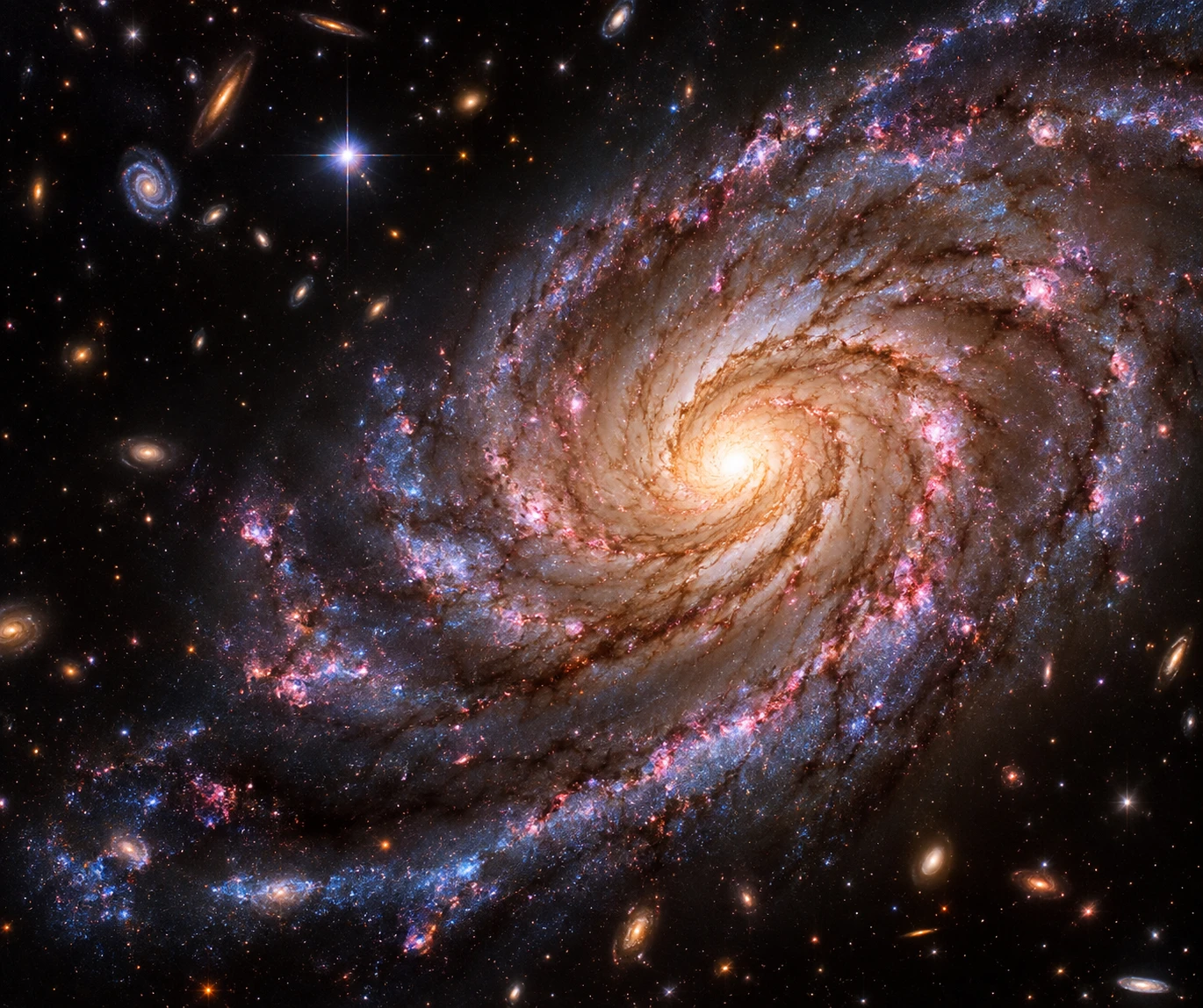

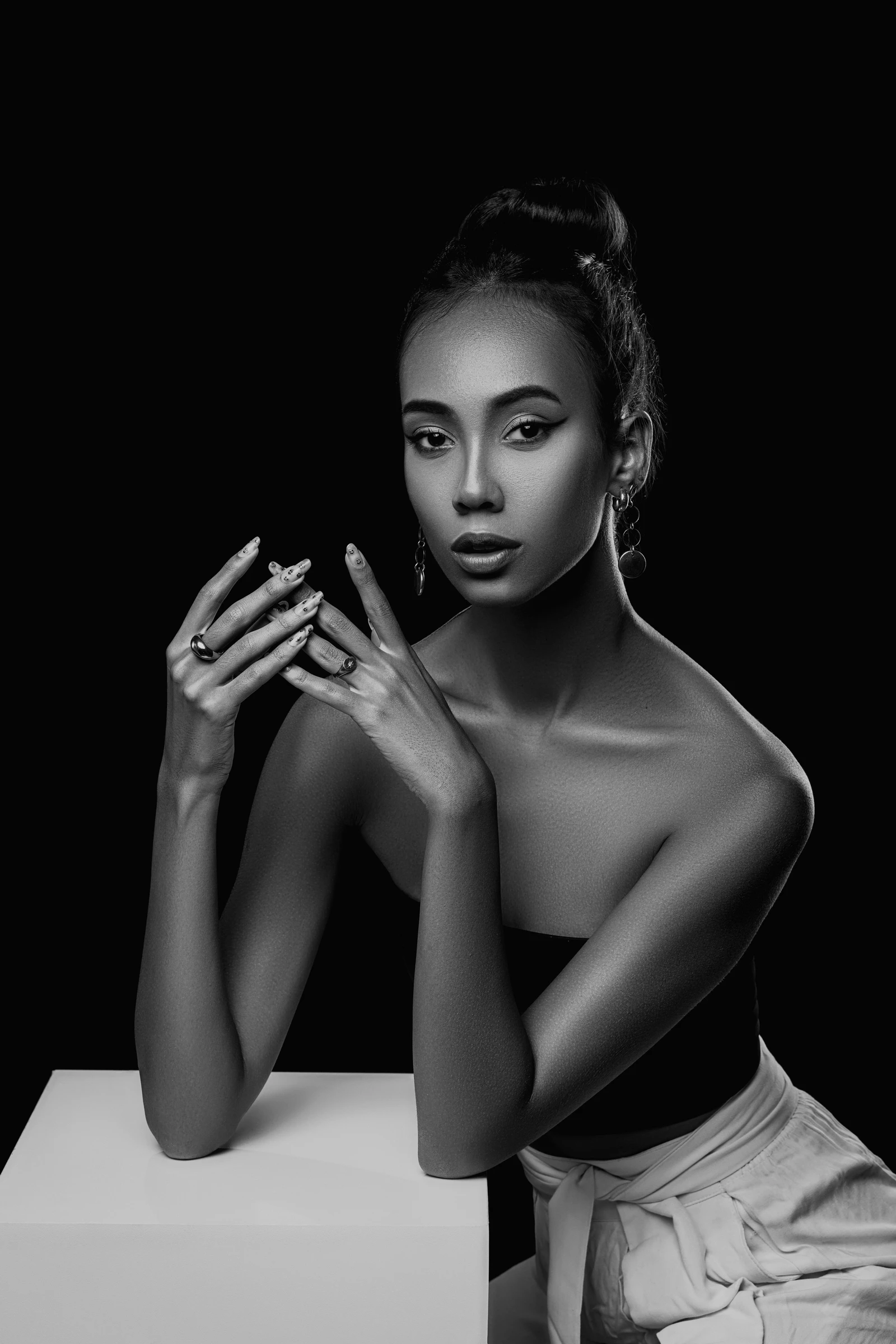
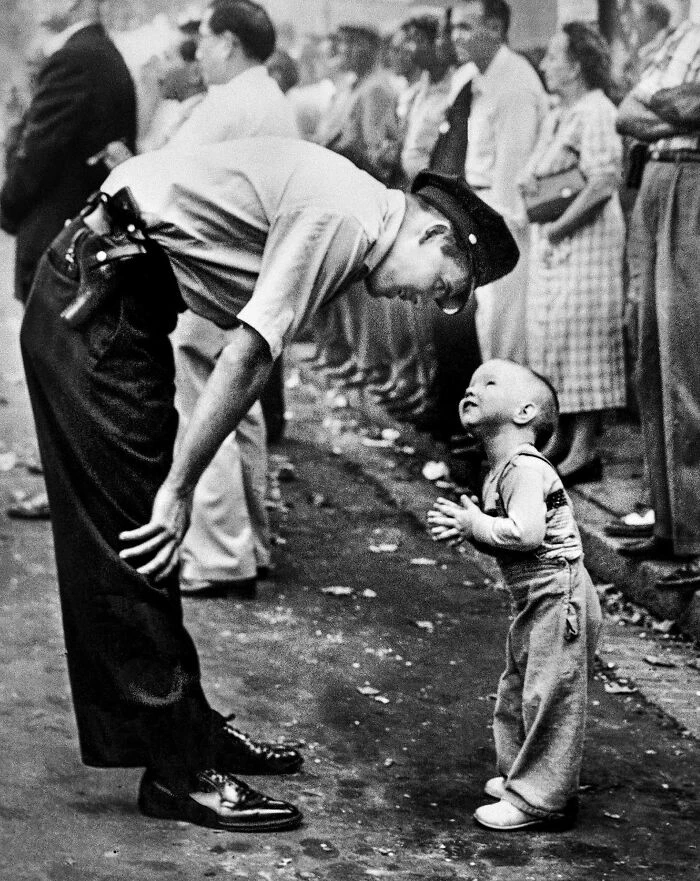
Just a year ago, AI images were easy to spot. Awkward fingers, garbled text, and unnaturally smooth skin gave them away. Today, most of those telltale signs are gone.
Yesterday (September 9), Apple held its new product event. Most eyes were on flashy launches like the iPhone 18 Pro and iPhone Duo, but a quieter technology was announced in their shadow.
It's called Apple Reference Image.
It comes from Apple, maker of the iPhone, the world's most widely used “camera,” and it shows the company thinking hard about why “real photos” still matter in an age flooded with AI.
Saving the “original” forever, at the moment you take the shot
The moment you press the shutter, the iPhone 18 Pro's main camera attaches a unique “digital signature” to the actual pixel data captured by the sensor.
That signed data is sent to Apple's secure servers (Private Cloud Compute) and turned into a “Reference Image” that can't be altered in any way. Then, in the Photos app, you can compare your edited, retouched photo side by side with this Reference Image, 1:1, and see at a glance what the scene originally looked like and what was edited or AI-generated.
Apple compares this to the negative from the days of film cameras.
What really matters here is the change in approach.
We've reached the point where it's hard to tell by eye whether something was “drawn by AI or actually photographed.” So instead of analyzing the finished image, a completely new method has appeared: recording and proving where a photo came from, starting from the very moment it's taken.
Leaving an “invisible mark” on AI images
Beyond Apple's new photo technology, tools for identifying AI-generated images are also advancing quickly.
A leading example is Google DeepMind's SynthID.
It embeds a digital watermark, invisible to the human eye, into AI-made images, video, and audio, and later detects it to confirm whether the content was AI-generated. As of May 2026, Google said it had already applied SynthID to more than 100 billion images and videos. OpenAI, Kakao, and ElevenLabs have started adopting SynthID, and Google is also working with NVIDIA.
In fact, if you attach an image to a question in Gemini or a similar tool, it can use SynthID, not just how the image looks, to check more accurately whether it was AI-generated.
At this event, Apple also said it plans to add SynthID support through a software update later this year.
Giving every photo a “résumé”
Another important standard is C2PA (Content Credentials).
Put simply, it attaches a kind of “résumé” to a photo. It uses cryptography to record information such as which device created the image and which software was used to edit it.
OpenAI currently uses C2PA + SynthID together.
C2PA carries a detailed history, and SynthID adds another layer that is relatively likely to survive even if the metadata is stripped.
Of course, these technologies aren't perfect either. Nikon, for example, added a C2PA-based photo authentication feature to the Z6 III, then suspended the service after a flaw was found: using the multiple-exposure feature, even manipulated photos could pass authentication.
You can no longer tell a photo apart just by looking
NOTE
In the EU, the transparency obligations in Article 50 of the AI Act have applied since August 2, 2026.
AI-generated or manipulated content must be marked in a machine-readable way, and deepfakes and similar content also come with a duty to disclose this in a way users can recognize.
South Korea's AI Basic Act, in force since January 22, 2026, also requires labeling of generative AI output.
- Technology that detects AI images
- Technology that leaves a mark on AI images
- Technology that proves a photo was taken with a real camera
All of these technologies are ultimately aimed at a single question:
“How can we trust where the images we see come from?”
Before long, simply calling generative AI images “fake” may stop meaning much.
And images made with generative AI aren't bad in themselves. Used well, they open up endless possibilities.
A few years from now, humans may wave the white flag to AI, and trying to tell the difference by eye may become pointless. Until then, though, we'll probably spend quite a while wrestling with how to prove, and protect, the value of human-made work in front of the machines we built.
On AIB, you can compare a wide range of image generation AIs for yourself.
Put them to the test, including GPT Image 2.5, which launched yesterday.