Study Tracks 802 Developers After AI Adoption
- •Researchers tracked 802 developers at a software company that mandated AI adoption.
- •The study analyzed 196,212 pull requests from January 2024 to April 2026; submissions per developer rose 2.09 times.
- •Organization-wide submissions rose about 3.1 times, while human reviewers grew about 1.5 times; more than 80% of pull requests received automated reviews.
Researchers from Carnegie Mellon University, Stanford University and other institutions published a study of developer productivity and code review at a midsize enterprise software company that mandated AI adoption. In an email to the research organization’s R&D staff, the company’s CTO set a goal of doubling engineering productivity within 12 months through AI use. The researchers tracked 802 developers from January 2024 to April 2026, measuring each engineer’s pull requests (proposals for code changes) and analyzing 196,212 submissions.
Code submissions per developer rose to 2.09 times the pre-adoption level. The increase came gradually as developers gained experience with AI tools, rather than immediately after adoption. It appeared among junior and senior developers, and was especially pronounced among managers, who had more administrative duties and were usually removed from hands-on programming. Productivity gains were concentrated in new systems and were less evident in older code.
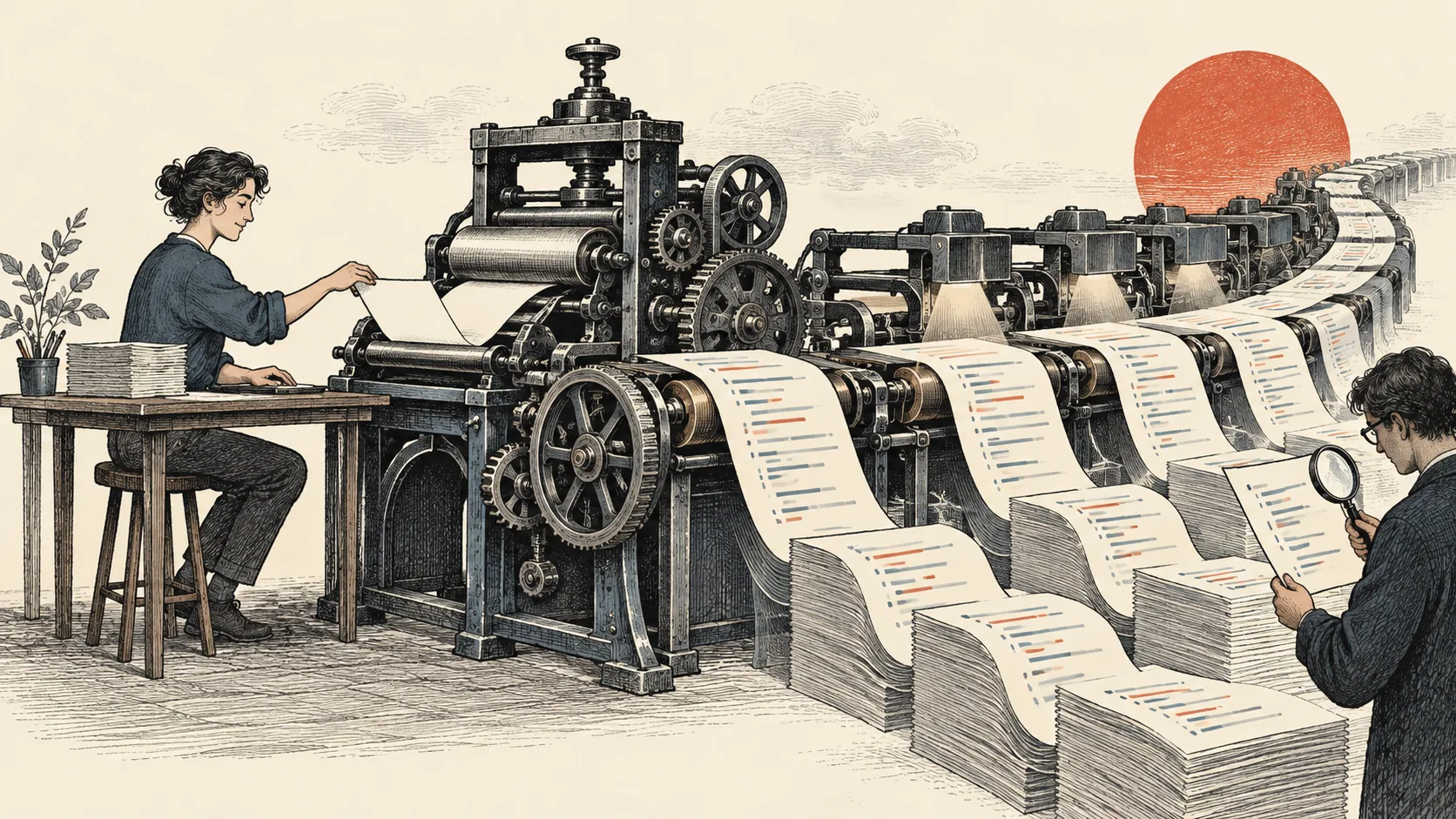
As coding sped up, human review did not keep pace. Organization-wide code submissions rose about 3.1 times, while the number of human reviewers increased about 1.5 times, effectively doubling the workload per reviewer. The company assigned much of the checking to automated tools, and AI bots and other systems came to review more than 80% of all pull requests.
Human reviews accounted for a smaller share, and silent approvals without specific comments became more common among the reviews that remained. Researchers reported that, even after fewer changes passed through human review, short-term quality problems such as error-related reverts did not immediately appear. The 2026 paper documents the gap between rising AI-assisted code production and the amount people can review.