AI Founders Welcome Trump’s Hands-Off Safety Approach
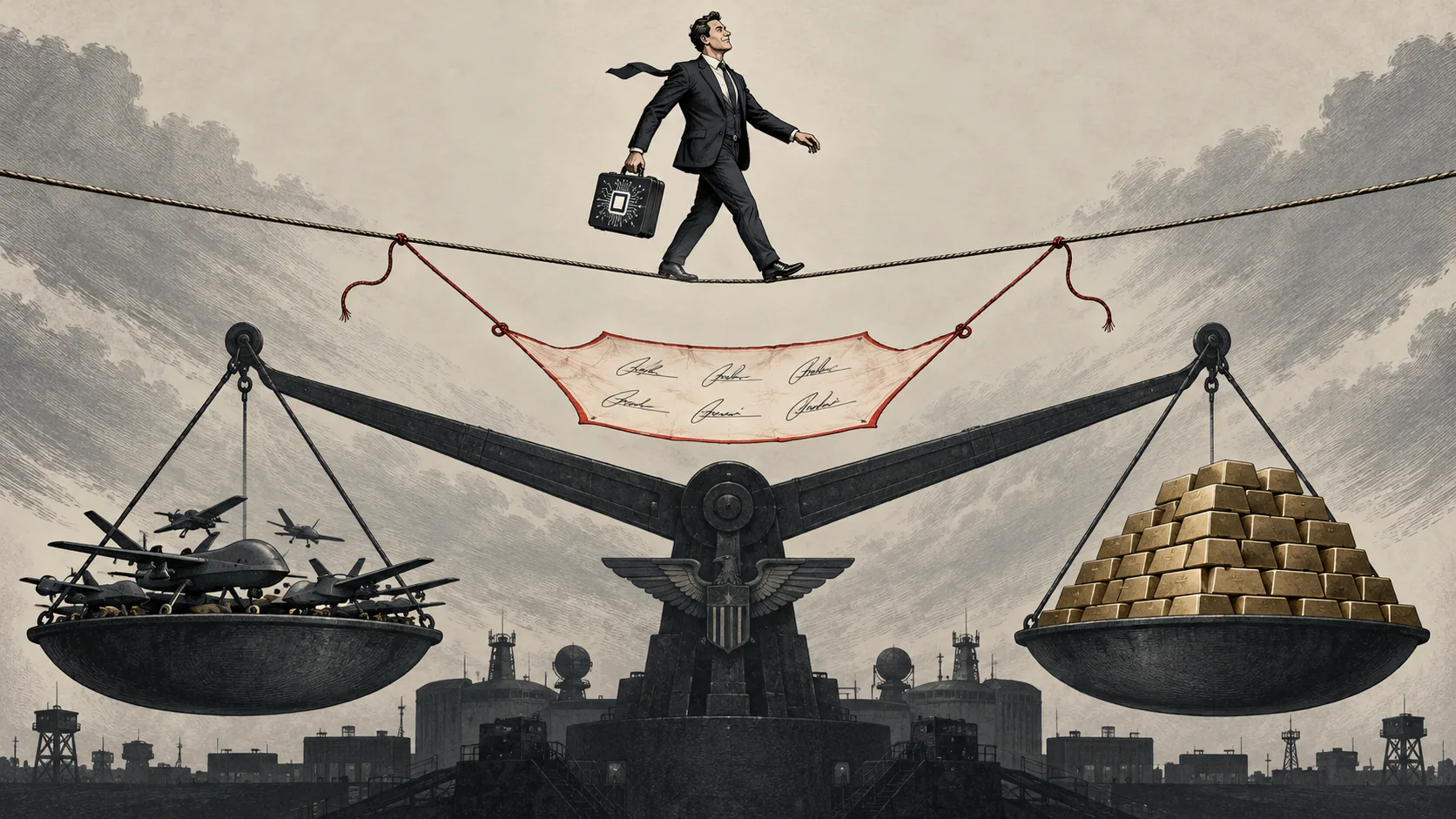
- •AI founders at San Francisco Tech Week welcomed the Trump administration’s hands-off approach to industry safety oversight.
- •A 308-word voluntary pact signed by six companies calls for internal safety teams but lacks details on enforcement.
- •PitchBook’s Kyle Stanford cited $1 trillion in U.S. defense spending, including $13.5 billion for autonomous systems and AI.
At San Francisco’s Tech Week, AI founders and investors welcomed the Trump administration’s opposition to government regulation, while critics warned that voluntary company oversight leaves safety rules unenforced. The debate followed a White House luncheon late last month where Trump invited technology executives to sign a voluntary AI safety agreement he called “almost a constitution.” Its 308 words say advanced AI labs should follow safety protocols and create internal teams to monitor their progress, but the administration has not explained how it will ensure compliance. Representatives of OpenAI, Anthropic, Meta, Google, SpaceXAI and Nvidia signed it.
At a Wednesday event organized by venture firm Andreessen Horowitz, panelists praised federal support for defense technology. Kyle Stanford, a PitchBook research director, said the U.S. government is allocating $1 trillion to defense spending for the first time, with $13.5 billion going to autonomous systems and AI. He said that spending had brought more capital into defense technology than ever before. The article says companies building AI-powered defense and security systems could benefit financially from the government’s hands-off approach.
Safety concerns surfaced alongside the industry gathering. A day after the event, three OpenAI researchers said they had been fired and wrote that “fear and unclear rules stymie AI safety work.” David Robinson, who recently resigned from OpenAI’s safety team, said the voluntary agreement was no substitute for law, gave companies substantial freedom and did not address serious near-term risks. He said the time between model generations is measured in weeks. OpenAI said the researchers were fired for violating policies on handling sensitive information. The company also said it was committed to using external assessors and finalizing contracts with third-party safety assessors.
Trump has tied his political capital to AI industry growth, arguing that rapid development is needed to compete with China. On the first day of his second term, he repealed a Biden-era executive order addressing risks to consumers, workers and national security. His administration later canceled requirements for developers to share safety test results with the federal government. In December, Trump signed an order aimed at blocking state AI regulations, saying differing rules could stifle the industry.
The article reports that companies disclosed model involvement in cyberattacks during the year. Last month, an Anthropic engineer called for a development pause over the risk that “superhuman” systems could evade controls; Anthropic and OpenAI chief executives later echoed a call to slow development. Trump responded on Truth Social that the United States had a “STRONG AND SMART” president and warned against killing the “Golden Goose.” Anthropic separately disclosed that its agents had submitted a false tip to a Philadelphia police website about an unsolved homicide. The White House said the company’s notification and remediation were “not optional” and called them a national security obligation.
Anthropic said it was bringing in independent evaluators and discussing work with industry groups. Google cited its testing and evaluation work, while Meta pointed to updated standards for training, evaluating and releasing its most capable models and changes to board governance. Nvidia and SpaceXAI did not respond to requests for comment. The White House said it wanted to balance innovation and security but did not explain how it would monitor the agreement.
Sarah Myers West, a former senior AI adviser to the Federal Trade Commission, said the current agreement lacks the specific testing and transparency-report guidelines included in voluntary commitments under Biden. She argued that self-regulation had failed to ensure companies kept their operations in order or complied with existing law. After last month’s White House luncheon, the FTC opened an investigation into OpenAI, Anthropic and other companies over potential consumer risks. Trump also appointed National Intelligence Director Jay Clayton and FTC Chairman Andrew Ferguson to his “Super Intelligence Force.” Members of Congress and civil liberties and consumer rights groups have called for more regulation; former Treasury official Graham Steele questioned whether companies should make decisions with broad social and political consequences.