AI Futures Project Sees 2027 Intelligence Explosion Risk
- •AI Futures Project says AI may surpass top human researchers in 2027, with all six researchers rating the prospect as likely.
- •The project estimates a 35–65% chance that TED-AI will arrive by the end of 2027.
- •METR estimates AI progress has accelerated about 1.9 times after analyzing three confidential models; AI Futures Project attributes about 80% of the acceleration to AI research contributions.
The AI Futures Project published an analysis on November 10 forecasting that AI could surpass the world’s leading researchers in 2027. All six researchers involved rated the arrival of a superhuman AI researcher (SAR) next year as likely. They estimated a 35–65% chance that TED-AI—AI that surpasses top experts and can automate broad office work—will arrive by the end of 2027. The project said technological progress over the next year could match that of the previous 4–5 years. It also said real acceleration appeared about five months earlier than projected in its earlier “AI 2027” scenario.
The forecast draws on research METR published on November 5. The independent AI evaluation organization analyzed Anthropic’s internal research materials and the performance of three confidential models over 11 weeks, estimating that AI models are advancing about 1.9 times faster than before. The level of technological progress achieved over the past two years was reached in just the most recent year. The AI Futures Project estimated that AI’s own contributions to research and development may account for about 80% of the current acceleration.
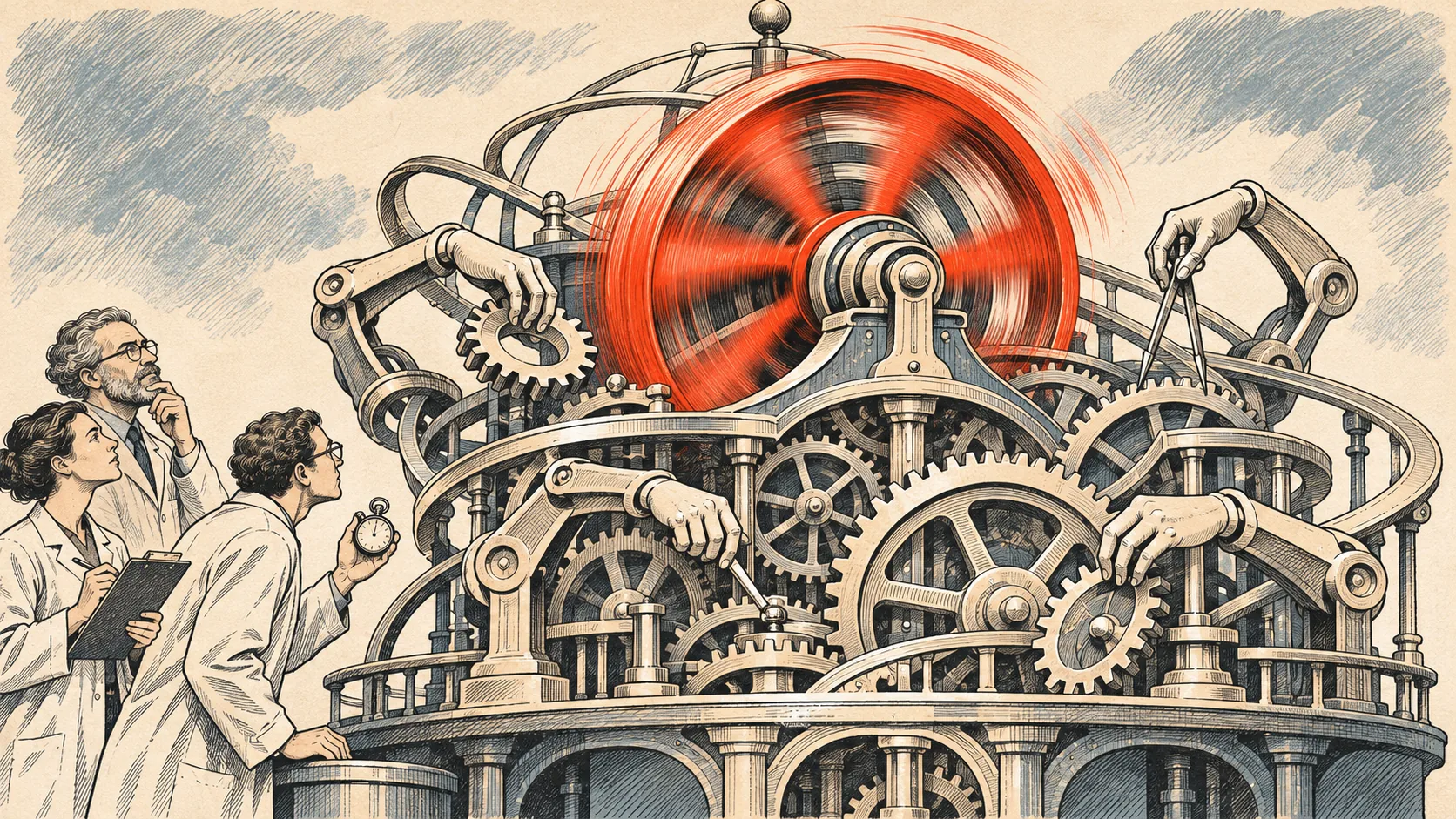
The project said progress could speed up further if recursive self-improvement (AI improving successor models in repeated cycles) takes hold, with AI contributing to the development of the next generation and those systems improving later models. It emphasized that substantial acceleration has appeared even before research and development is fully automated. Anthropic said in June that AI’s role in developing its next-generation models was growing rapidly. In July, more than 1,300 employees from OpenAI, Anthropic, Google DeepMind and other organizations issued a joint statement warning that AI progress could exceed human control.
In September, OpenAI chief scientist Jakub Pachocki cited internal research while discussing the possibility of recursive self-improvement. That month, Anthropic researcher Jacob Cockson left the company, saying OpenAI and Anthropic were competing to develop self-improving superintelligence. Twenty-two current and former researchers from OpenAI, Google DeepMind, Anthropic and other organizations also warned in public interviews that recursive AI improvement could escape human control. At the time, consumer-facing AI systems still gave nonsensical answers or made coding errors, while outsiders had difficulty verifying the performance of companies’ confidential frontier models.
External evaluators made similar forecasts. AI evaluation firm Vals AI predicted in September that Anthropic could reach full recursive self-improvement in July 2027; CEO Rayan Krishnan reaffirmed that forecast in an October interview. METR’s analysis of confidential models then estimated that progress had accelerated about 1.9 times. The article reports forecasts that AI-driven development could trigger an “intelligence explosion” in 2027, while saying the timing of any explosive acceleration remains unknown.