AI Hardware Investment Meets Power Delays
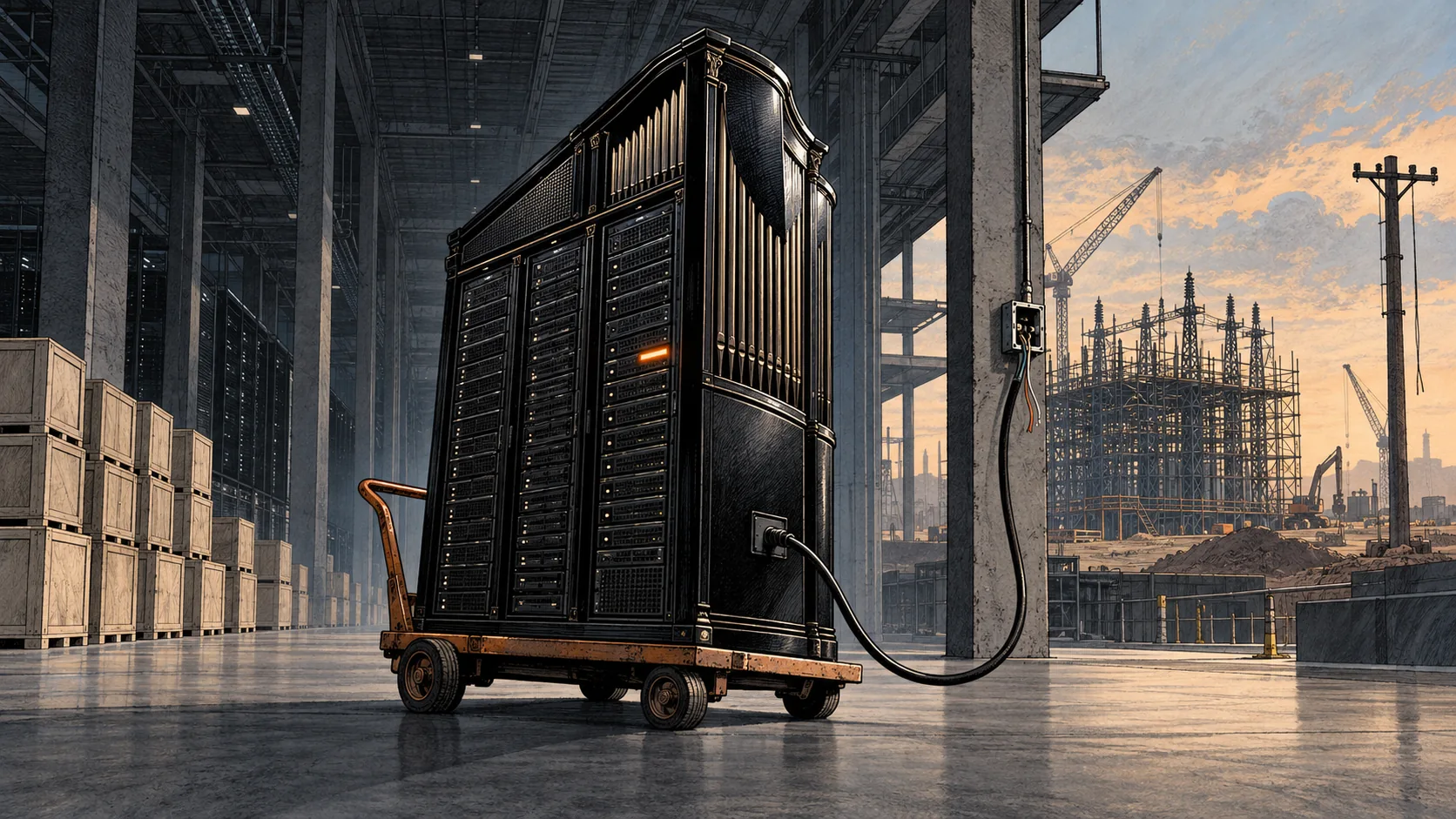
- •Amazon reportedly receives Nvidia equipment before some data centers have the electricity to operate it
- •NextDC cut fiscal 2027 revenue guidance to A$475 million–A$500 million after Melbourne power delays
- •Reported Amazon procurement plans included $5 billion in GB300 racks in August and roughly $3 billion monthly deliveries
Amazon is reportedly taking delivery of billions of dollars in Nvidia computing equipment before some data centers have enough electricity to operate it. In Australia, NextDC cut its financial outlook after electrical network delays prevented it from supplying capacity already contracted to customers. The cases show how infrastructure timing can leave major investments unable to generate expected returns.
On October 21, NextDC said delays to electrical network upgrades at its M3 Melbourne facility would postpone the next increase in grid supply until fiscal 2028. Electricity provider Jemena suspended parts of the work amid community opposition and stakeholder concerns, and planning decisions remained unresolved. NextDC cut its fiscal 2027 revenue guidance from A$615 million–A$640 million to A$475 million–A$500 million, and its underlying EBITDA forecast from A$385 million–A$410 million to A$245 million–A$265 million. The revised guidance removes approximately A$140 million in anticipated revenue and attributable EBITDA from affected customer contracts.
Those figures are projected reductions, not necessarily permanent losses: the capacity remains contracted, subject to customer rights, and some revenue may arrive once infrastructure is ready. Delayed billing, possible service-level adjustments, and continuing financial commitments can still change project economics while invested capital earns no expected return.
Amazon’s reported approach is different. A Business Insider investigation described an AWS “Early Rack Receipt” process that lets Amazon take ownership of Nvidia equipment before destination data centers can operate it. Reported plans included approximately $5 billion in GB300 server racks in August, followed by projected monthly deliveries of roughly $3 billion; these were procurement projections, not confirmed inventory values. Some equipment is reportedly held in intermediary warehouses because receiving sites lack sufficient electrical capacity. Amazon says staging hardware before installation is established practice, especially when supply is uncertain.
Early purchasing can secure scarce processors, but ownership before deployment brings cash requirements forward and ties up capital while operating revenue remains in the future. Racks need specialized handling, secure storage, transportation, and commissioning, and extended idle time creates potential obsolescence risk as semiconductors develop. Buying later reduces capital exposure but risks components arriving too late.
The article distinguishes temporarily idle or underused capital from “stranded capital,” whose economic value is impaired or unrecoverable. Neither NextDC’s delayed contracted revenue nor Amazon’s reported early equipment receipts automatically means an investment has lost value. The outcome depends on delay length, contracts, carrying costs, and whether assets can ultimately be used as planned. For example, a January installation delayed until October because a power connection is unavailable postpones expected service revenue by nine months, while financing, storage, and insurance costs may continue. Contracts determine who bears utility delays, whether deliveries can be deferred without penalties, and whether operators owe service credits when capacity is unavailable.
The article argues that logistics teams need to coordinate procurement, manufacturing, transport, construction, electrical readiness, installation, and commissioning. Separate systems may show on-time equipment arrival, a completed building, and a tracked utility connection even while the project cannot operate. Planning platforms, project logistics systems, control towers, and AI-enabled decision tools could connect these dependencies so that a six-month power delay informs production, transport, staging, and installation schedules. Suggested measures include capital committed to equipment awaiting deployment, time from receipt to energization, contracted capacity available for billing, and the financial cost of commissioning delays. The article concludes that companies must balance securing scarce equipment against the cost of owning assets they cannot yet operate; the time until investments produce anticipated cash flows depends on coordinating purchases and infrastructure readiness.