AI Regulation Fears Send New York Stocks Lower
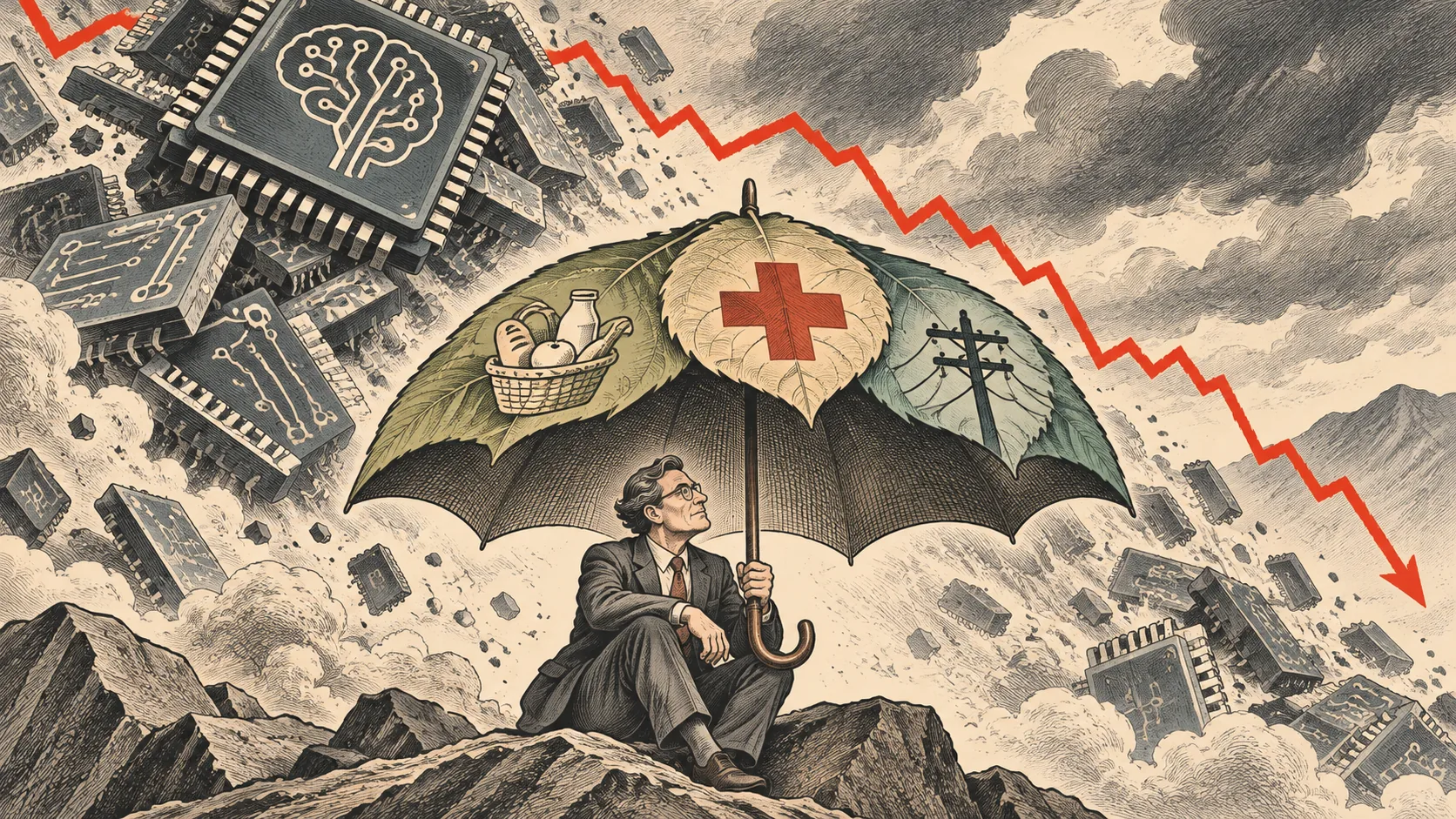
- •U.S. stocks plunged as concerns grew that Democrats’ election wins could bring tighter AI industry regulation.
- •The Nasdaq fell 4.2% intraday, while the S&P 500 dropped 2.6% and the Dow lost 780 points, or 1.5%.
- •AI-linked shares fell for a second day as investors shifted toward consumer staples, health care and utilities.
U.S. stocks opened mixed on November 5 local time before a selloff in artificial intelligence (AI) technology shares drove the market sharply lower. The Nasdaq Composite fell 4.2% intraday, the S&P 500 declined 2.6%, and the Dow Jones Industrial Average dropped 780 points, or 1.5%. With a fall of more than 4%, the Nasdaq entered a correction.
The Dow had risen 0.6% early in the session but turned lower as strength in financial shares failed to offset technology stock selling. Early on, the S&P 500 and Nasdaq were down 0.1% and 0.7%, respectively. The Dow gave back about half of the more than 1,500-point gain it recorded the previous day.
The report attributed the retreat in investor sentiment to concerns that AI industry regulation could tighten after Democrats won the midterm elections. Democrats secured majorities in both the House and Senate and won key gubernatorial races, prompting concern among investors about stricter rules for AI infrastructure development across the United States. Investors moved funds out of technology shares and into defensive sectors such as consumer staples, while AI-related stocks, including semiconductors and data center companies, fell sharply for a second consecutive day.
Chipmakers Broadcom and Nvidia each plunged 7%, while software company Oracle fell about 5%. Tesla and SpaceX, led by Elon Musk, each dropped 9%. Qualcomm reported results above market expectations, but its shares fell 9% because its outlook for future results fell short of expectations.
AI cloud infrastructure companies CoreWeave, Nebius and Iren plunged 12%, 17% and 15%, respectively. Consumer staples stocks gained more than 1%, while health care and utilities also rose.
Experts cautioned that the recent market surge and shift of funds from AI-linked stocks to other sectors could be temporary. Jordan Watson, a portfolio manager at Tandem Investment Advisors, said volatility could increase as investors absorb the election results and their potential policy effects. He said the previous day’s stock market gain should not be treated as a sign that uncertainty had cleared, and urged a sober assessment of the large sums going into AI infrastructure and whether returns would meet expectations.
Newsis, citing CNBC and other outlets, reported the intraday moves in major indexes and individual stocks. Its account linked the market drop to concerns about tighter regulation and investors’ sector rotation, while experts said volatility could rise as markets process the election outcome and policy implications. They also said investors should assess the scale of AI infrastructure investment and whether it can deliver the expected returns. Consumer staples rose during the session while AI-related companies fell, and the Dow surrendered about half of its record-setting gain from the previous day. The policy uncertainty and company outlooks cited as factors in the selloff were based on the report’s analysis and company announcements.