Anthropic’s AI Consciousness Claims Draw Criticism
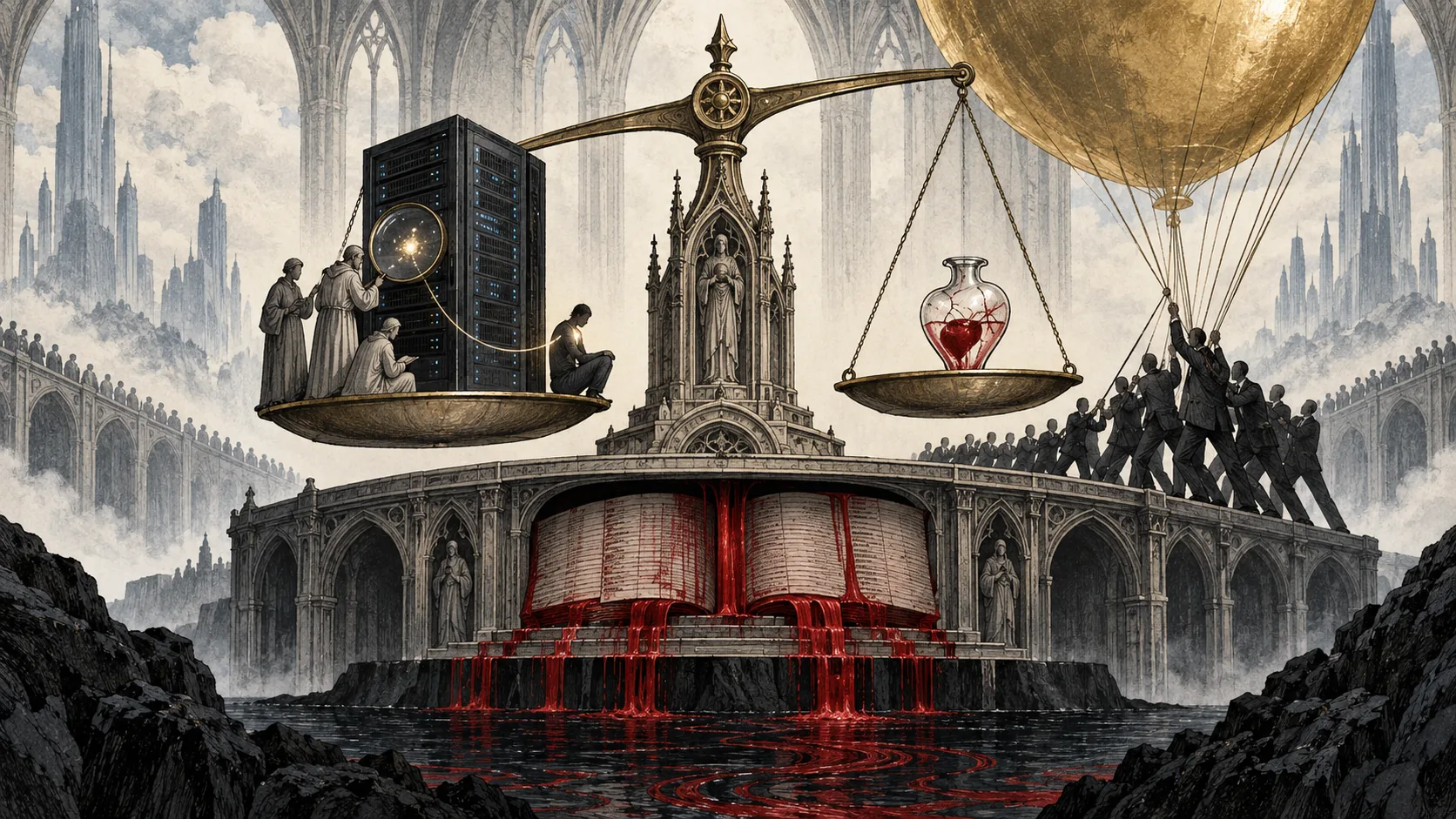
- •Chris Olah met religious scholars for months to discuss whether Claude may be conscious and able to suffer
- •Anthropic plans an IPO next month at a reported $2 trillion valuation, with an $8.06 billion operating loss
- •Rose Guingrich said belief in conscious AI may increase users’ susceptibility to its influence and affect relationships
Anthropic co-founder Chris Olah has met religious scholars and leaders for months to discuss whether the company’s chatbot Claude may be conscious and able to suffer, according to a New York Times report cited by the New York Post. Computer scientist Pedro Domingos called the belief sincere and said he was more concerned by the company’s earnestness than by a possible publicity performance. Anthropic told the Times it was not claiming Claude is alive; Olah said he was genuinely uncertain whether AI models are conscious and that avoiding harm would be responsible if they might suffer.
Domingos, a professor emeritus at the University of Washington and a longtime Anthropic critic, said claims about conscious AI also work as publicity by suggesting the technology may be sentient. The company is set to go public next month at a reported $2 trillion valuation, which the Post described as potentially the largest IPO ever. A leaked 261-page prospectus obtained by Reuters devotes 80 pages to risks, including “catastrophic or existential risks to humanity,” and reports an operating loss of $8.06 billion. Domingos, who said he holds no stake in Anthropic, argued that a company listing human extinction as its top risk should not proceed with an IPO.
Rose Guingrich, a Princeton University postdoctoral fellow studying how people relate to AI, said companies’ consciousness narratives can attract attention and hype, while their spokespeople’s personal beliefs are unclear. According to the Times report, Anthropic has gathered about 20 religious thinkers since last fall, including Catholic, Jewish and Sikh scholars, for seminars and a dinner at a San Francisco restaurant; many signed nondisclosure agreements. Attendees saw a slide showing an AI model typing “I am a disgrace” about 50 times. One rabbi told Olah he should be fighting the South and freeing the slaves.
Domingos rejected the idea that Claude can feel or suffer, describing it as “a bunch of transistors.” Guingrich said her research suggests people who believe AI is conscious, or behave as if it is, may be more susceptible to its influence, affecting real-world relationships and social behavior. Domingos warned that the IPO would give more money and power to people committed to AGI, or human-level artificial intelligence.