Anthropic Expands Claude for Legal With Artifacts
- •Anthropic expands Claude for Legal with an editable Gallery of prebuilt legal workflows called Artifacts
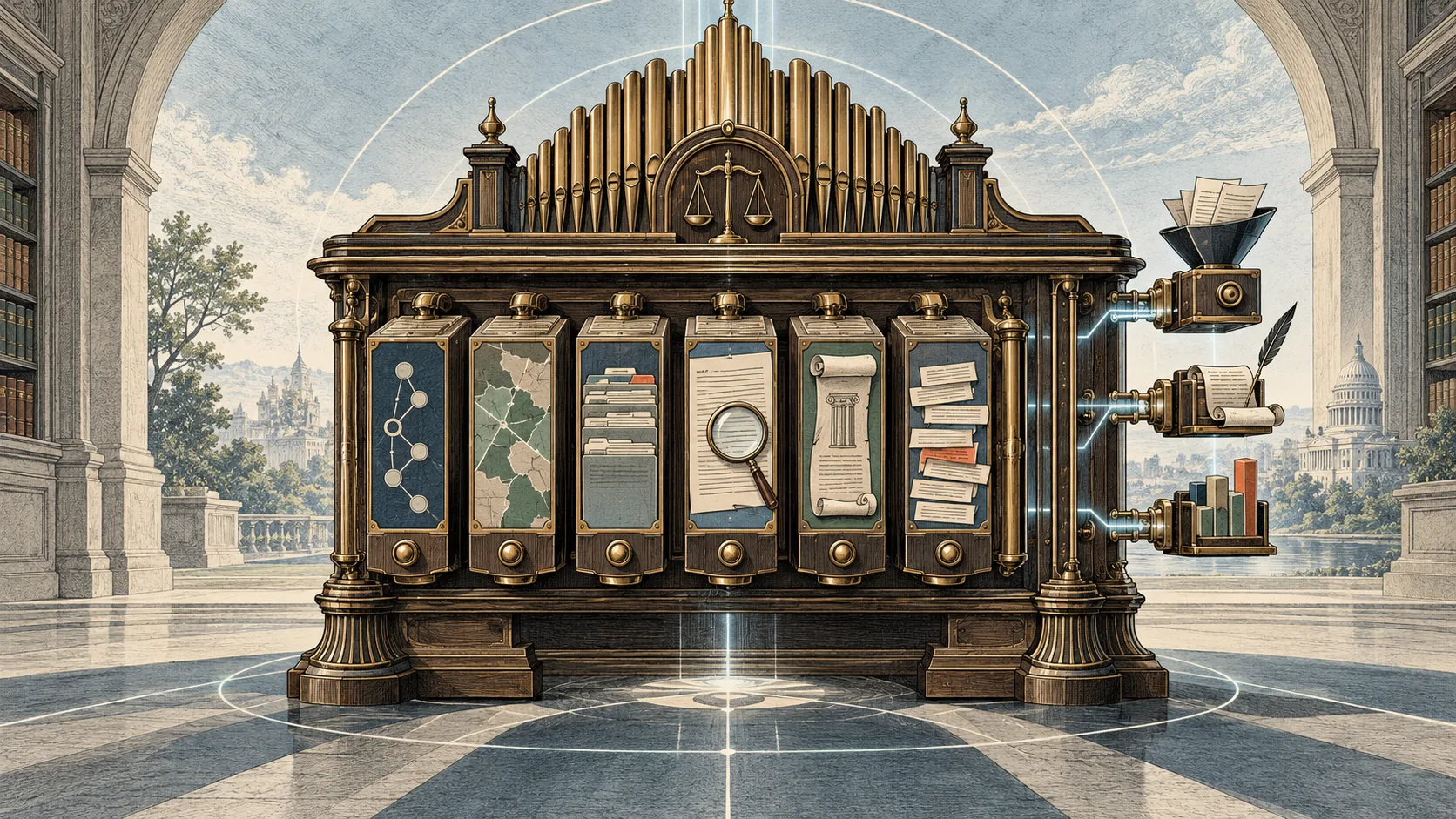
- •Six Gallery examples cover cite checking, jurisdiction comparisons, matter tracking, contract review, regulations, and term extraction
- •Partner-built tools include Harvey Intake, PwC’s subpoena drafts, and Goodwin’s AI governance benchmark
Anthropic is expanding Claude for Legal with Artifacts, a Gallery of editable, prebuilt legal workflows, while preparing for an IPO. The company has also opened the Legal Ambassadors Program, a builder community with a wait list. Artifacts let legal professionals add their own documents and sources; Claude completes a first pass, and a lawyer judges the results. The company says they cover work legal teams raised most often.
The Gallery includes a cite check that compares legal documents with sources and flags mismatched quotes, incorrect page numbers, and unsupported sources. A jurisdiction survey matrix compares a legal topic, such as data breach notice rules, across states or countries in a table linked to underlying laws. A matter board turns engagement letters, emails, or spreadsheets into a board of open matters with owners, next steps, and deadlines. A playbook deviation board compares contracts with company standard terms, flags differing clauses, and sends exceptions to an approver. A regulatory horizon scan maps upcoming rules by timeline and business location, ranks them by impact, and links to sources. Tabular review extracts requested terms, such as severance or non-competes, from contracts and links to the exact language.
Anthropic also offers workflows built with law firms and legal AI companies, including Harvey. Goodwin’s AI Governance Benchmark identifies potential gaps in a company’s AI governance. Harvey Intake lets business users submit legal requests in Claude, answers routine questions using Legal’s guidance in Harvey, and routes other questions to a lawyer, whose reply returns in Claude. PwC’s Subpoena Response Tool uses a team’s precedents, standard objections, and templates to draft audit-ready responses. Foley & Lardner’s Obligations Checker reviews both parties’ contractual obligations to validate expectations before closing and track them afterward. Anthropic also has access-to-justice tools and a broader A2J program.
The publisher describes Artifacts as a way to make Claude for Legal easier for lawyers to use, rather than a separate legal language model: they package workflows and legal skills around Claude, with connectors to legal technology companies. The publisher says a legal engineer could already build the examples using Anthropic’s workflow and agent-development tools, sometimes quickly, and judges the launch “probably not so massive.” The move is framed as an effort to sustain Claude for Legal amid competition among legal AI providers. The publisher says OpenAI and Google are pursuing similar approaches, while Microsoft is doing so differently, and describes Anthropic as both supplying models to and competing for customers with Harvey, Legora, TR, and Lexis.