Judge Orders OpenAI to Share Hiring Records
- •Judge orders OpenAI to turn over Apple-related interview records within five days and further materials within 14 days
- •Apple gains access to LINE messages and depositions from three former Apple employees now at OpenAI
- •Court rejects expedited access to broader hardware research, leaving Apple able to return with narrower requests
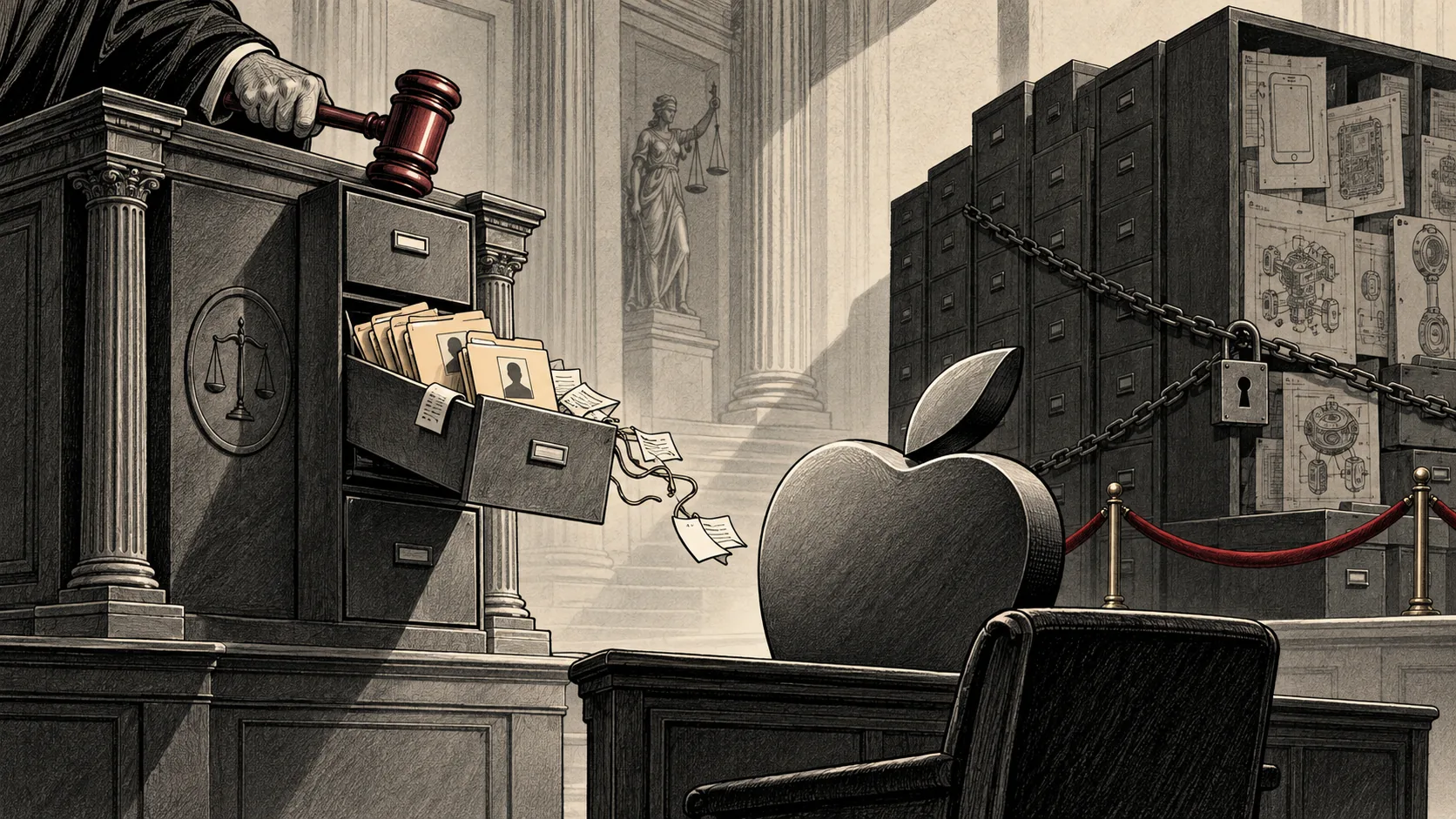
A US judge ordered OpenAI to provide Apple with records from interviews involving former Apple employees as Apple pursues a trade secrets lawsuit. US District Judge Edward Davila directed OpenAI to hand over documents it had already gathered within five days and submit other materials covered by Apple's request within a further 14 days. The order gives Apple faster access to evidence it says is relevant, but does not approve every request.
The records concern former Apple employees who applied for positions on OpenAI's consumer hardware and robotics teams. They include interview guides, scripts, checklists, internal instructions and manuals, technical presentations, and records that could show whether Apple technologies or components came up during interviews. Apple alleges that employees who joined OpenAI took confidential files about products and technologies that had not been publicly announced, including engineering presentations, technical specifications and proprietary project information. Apple also alleges that some former employees advised colleagues considering OpenAI jobs on what information to bring to interviews. The ordered records do not establish that trade secrets were improperly shared or used.
Davila also allowed Apple to obtain private LINE messages involving people named in the proceedings, including OpenAI employees Chang Liu and Alyssa Peng, both former Apple employees. He approved depositions (formal sworn testimony) from Liu, Peng and Tang Yew Tan, OpenAI's chief hardware officer; all three previously worked at Apple. Their testimony may provide information about their departures, recruitment and discussions relevant to the lawsuit.
The judge declined to expedite OpenAI research and development materials about metal finishes and power management, and rejected broader requests for details about hardware research and work former Apple employees did after joining OpenAI. Apple may return with narrower requests. The case concerns Apple's claims that confidential knowledge crossed company lines, but Davila's order is not a finding that OpenAI or its employees misappropriated trade secrets.
The dispute comes as OpenAI works on its first consumer hardware device; its details and market role remain uncertain. The article says an AI-focused device could compete for some functions people use smartphones for, but it is too early to know whether it will directly challenge the iPhone. For now, the ruling sets deadlines for certain hiring records and allows access to messages and testimony, while limiting Apple's access to OpenAI's technical work. The lawsuit's outcome will depend on the evidence and the court's assessment of the competing claims.