MIT Professors Win AI Science Prize
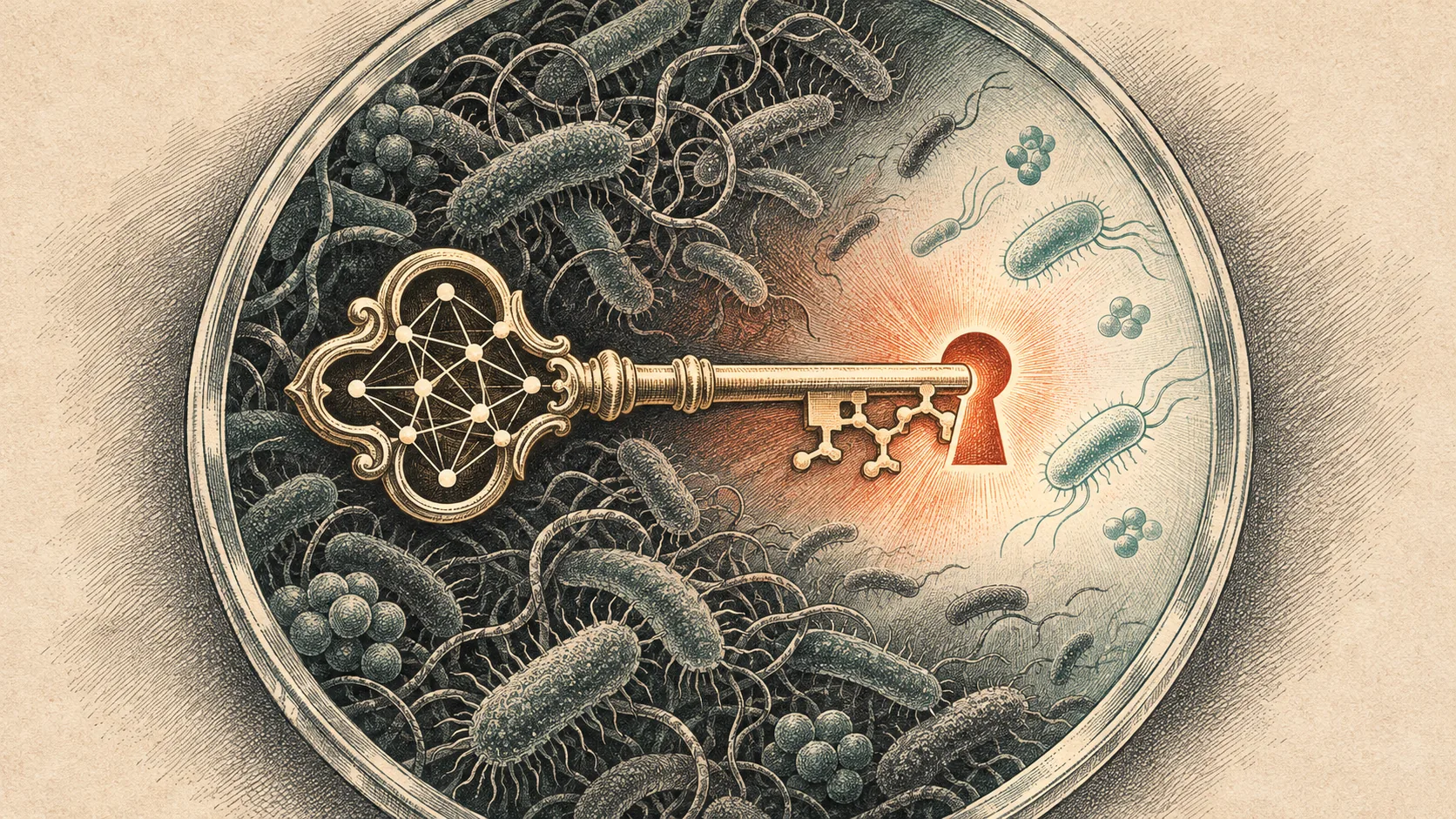
- •Regina Barzilay and James Collins receive the 2026 Pritzker Prize for AI-enabled antibiotic discovery
- •Their 2020 paper reported halicin, identified by a model trained on 2,500 molecules
- •In 2023, the team identified abaucin, effective against antibiotic-resistant A. baumannii
MIT professors Regina Barzilay and James Collins received the 2026 Pritzker Prize for AI in Science Research Excellence for pioneering AI-enabled antibiotic discovery. The University of Chicago and Caltech jointly award the prize, established in 2024, to recognize work that advances both AI and the natural sciences or engineering. Barzilay and Collins are faculty co-leads of MIT’s Abdul Latif Jameel Clinic for Machine Learning in Health and affiliates of the MIT Schwarzman College of Computing and School of Engineering.
Their collaboration’s first breakthrough paper, published in Cell in 2020 with then-MIT postdoctoral researcher Jonathan Stokes as first author, described halicin, the first antibiotic discovered by artificial intelligence. A deep learning model trained on 2,500 molecules identified halicin, which had originally been studied as a potential diabetes drug. Tests found it could kill antibiotic-resistant bacteria, including Clostridium difficile, Acinetobacter baumannii, and Mycobacterium tuberculosis. The team completed a discovery process that had previously taken years in just a few weeks.
In 2023, Barzilay, Collins, and Stokes used machine learning to identify abaucin, a narrow-spectrum antibiotic effective against A. baumannii. Its activity against a single treatment-resistant bacterial species is an advantage because it can reduce the chance of bacteria developing resistance and limit harm to beneficial gut bacteria. Collins said antibiotic discovery had historically relied on slow, costly, unpredictable trial and error, and described generative AI as shifting from a discovery tool toward a design tool. Barzilay cautioned that AI can automate only parts of drug discovery so far; she said realistic AI models of human biology are needed to advance the work.