Bill Gates Calls for AI Tax
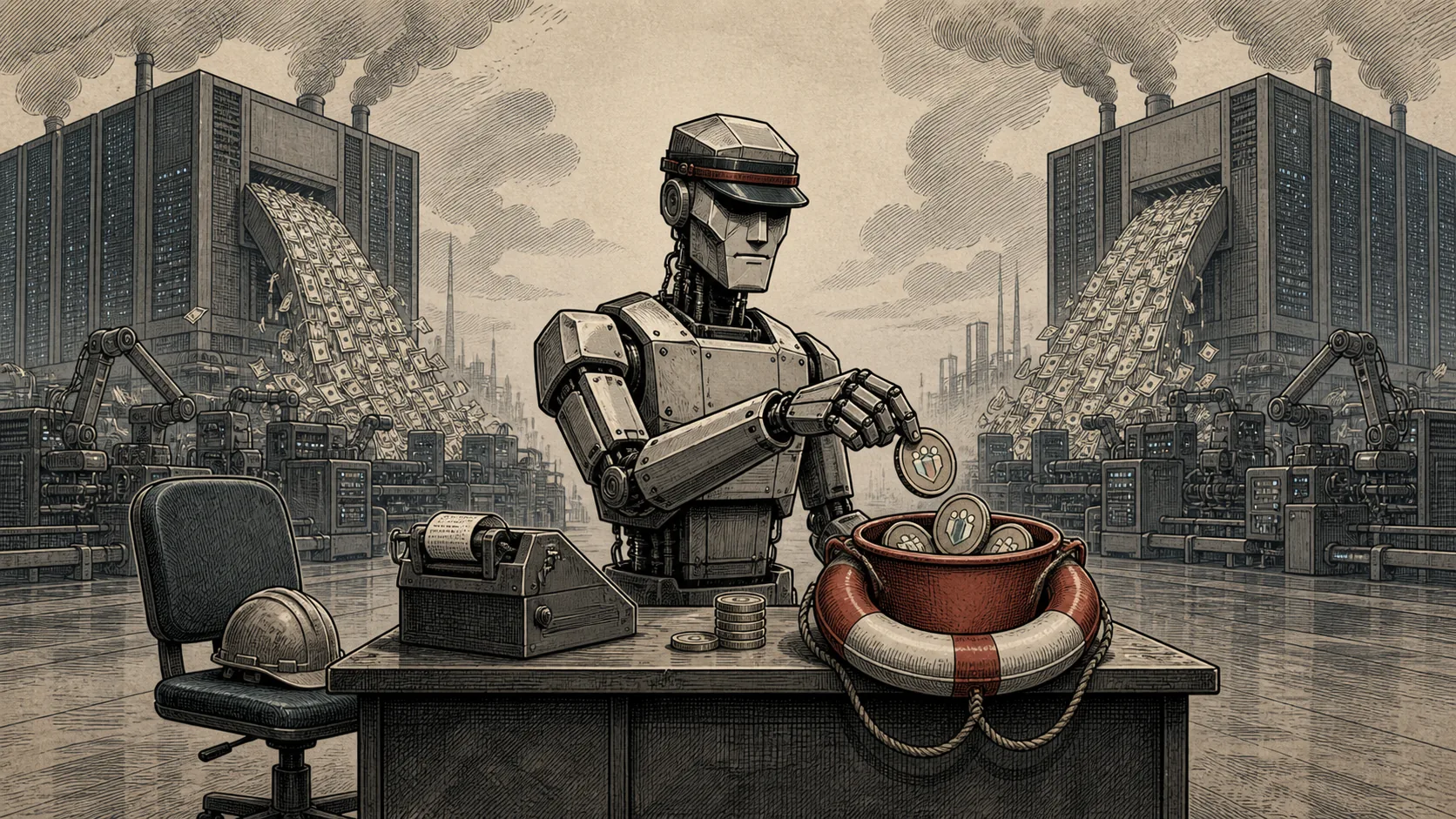
- •Bill Gates called for taxing AI automated systems, including tokens and robots, that may replace workers
- •Gates said payroll tax rules favor buying robots over hiring people and funding a stronger safety net
- •Microsoft and Amazon are on track to spend $390 billion this year on AI-related capital expenditures
Bill Gates called on August 26, 2026, for a tax on artificial intelligence automated systems, including tokens and robots, that employers may use to gradually replace human workers. In a memo released Wednesday, the Microsoft co-founder said payroll taxes apply when companies hire people, while robots can usually be written off immediately as a business expense. Gates argued that this structure pushes employers toward machines over workers.
Gates said a tax on robots and AI usage would slow the rush to replace human labor and raise money for a stronger safety net. He described AI as more disruptive than previous platform shifts such as personal computing and the Internet because people can use existing infrastructure and natural language to adopt the technology faster than in earlier transitions.
Gates named three risks from AI: “many jobs will disappear forever,” “AI will empower people to do more harm,” and “AI could stunt our kids' development and replace human relationships.” The article said Microsoft completed a 4,800-person layoff in July but has said affected employees were not replaced by bots. It also said AI is being blamed for tech layoffs over the past year less because of automation than because heavy AI infrastructure spending is pushing companies to cut costs.
The article said Microsoft and Amazon are on track to spend $390 billion this year on AI-related capital expenditures, mostly data centers and computer chips. Gates warned entry- and mid-level jobs remain at risk across white-collar and blue-collar work, saying robots and AI can create competitive pressure when one company uses savings to lower prices.
Gates also warned that heavier AI use was linked in a preliminary survey to less critical thinking, and that deepfakes and individualized misinformation make truth-checking an essential life skill. He said AI could make monitoring and manipulating public opinion easier, expose hospitals and financial institutions to greater risk, and give attackers new cybersecurity capabilities faster than defenders can fix weaknesses.
Gates said AI also makes him optimistic because it could accelerate innovation in clean energy, food availability, disease eradication and cancer treatments. He called for policy frameworks and institutions for AI development before disruption forces governments into crisis mode.