Bill Gates Weighs Bigger AI Safety Role
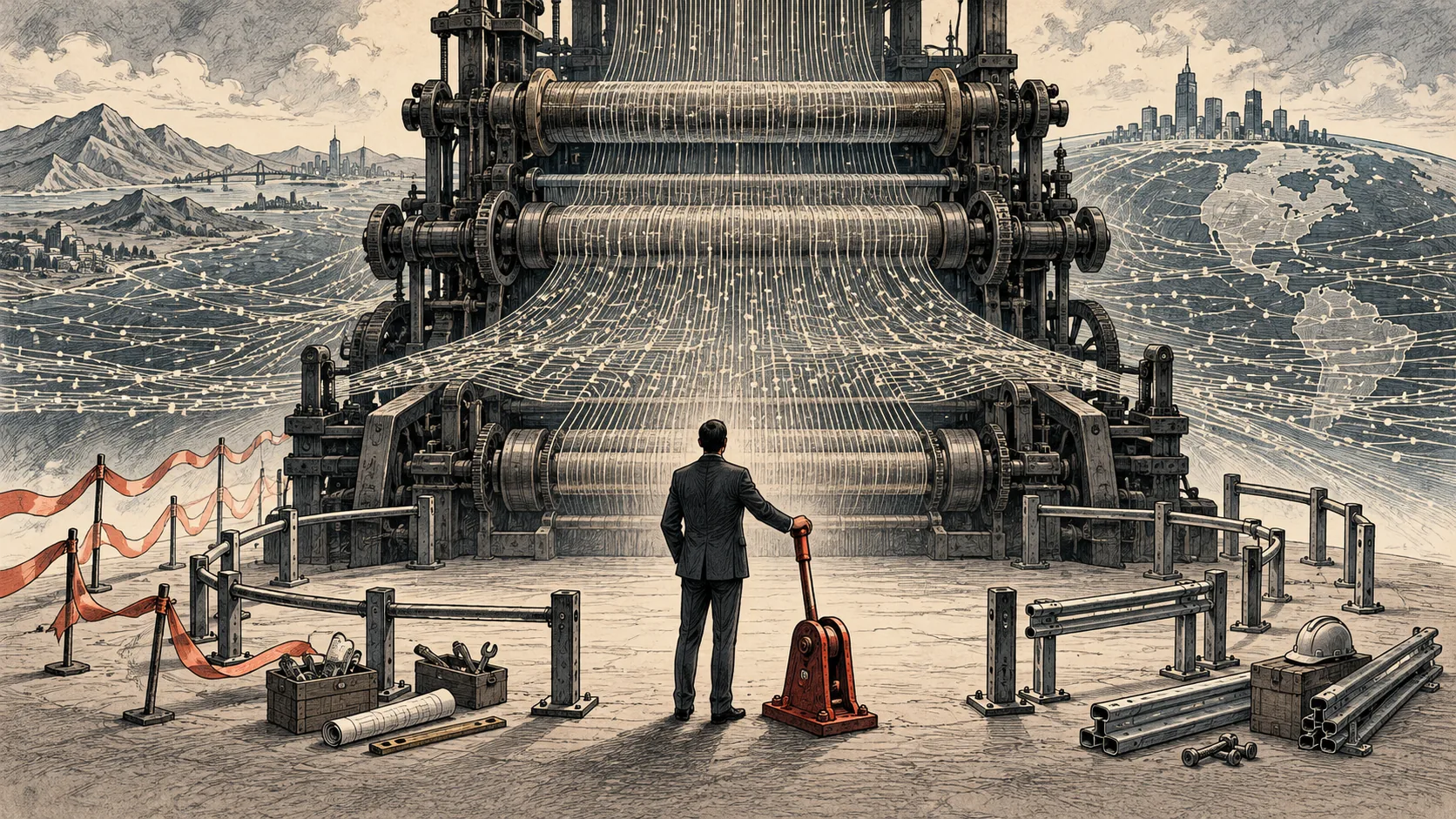
- •Bill Gates is consulting AI researchers, executives and safety advocates about stronger oversight and a more active safety role.
- •Gates has not announced a campaign, funding commitment or timetable; discussions include Anthropic CEO Dario Amodei.
- •Gates proposes human-reserved jobs, AI-use taxes and national and international bodies, differing from Trump’s voluntary framework.
Bill Gates is preparing to take a more active role in AI safety, speaking with technology executives, researchers and safety advocates while considering a substantial commitment of his personal resources to push for stronger oversight. Those consulted include Anthropic CEO Dario Amodei. According to an Axios report citing people familiar with Gates’s private discussions, he said he could reach corporate CEOs more effectively than others. Gates has not announced a formal campaign, specific funding commitment or timetable.
Gates’s August 26 essay on Gates Notes identified permanent job losses, AI-enabled harmful activity, and effects on relationships and psychological well-being as three concerns. He warned that AI could replace workers in customer service, software development, manufacturing, medicine and law, including in entry-level and mid-level roles. He argued that AI can perform cognitive tasks previously done by people, potentially reducing opportunities for younger workers as companies adopt more capable systems. Gates proposed reserving some jobs and responsibilities for humans even when AI can do them, and taxing AI use and robots to fund retraining and support for displaced workers.
Gates has also called for national institutions to coordinate AI policy across government departments and an international organization to address cross-border risks. He cited nuclear inspections and aviation safety as examples of international cooperation. His proposals differ from President Donald Trump’s administration approach, which emphasizes faster US AI development and limits mandatory regulation. A June 2 executive order directed agencies to create a voluntary framework for developers to work with the government on advanced-model evaluations and cybersecurity, including early access for federal authorities to certain models before release to trusted partners. The order rules out mandatory licensing or approval for developing, publishing or distributing AI models. Gates argues companies should not decide governance alone and has raised concerns about AI tools enabling cyberattacks, fraud and disinformation.
The effort is more active than Gates’s 2023 position, when he described AI risks as serious but manageable and compared them with the arrival of personal computers and the internet. In his August 2026 essay, he said economic competition and geopolitical pressures would make an international slowdown difficult. He supports a credible global agreement to slow AI advances but said he did not consider one likely.