Broadcom CEO Questions AI Investment Economics
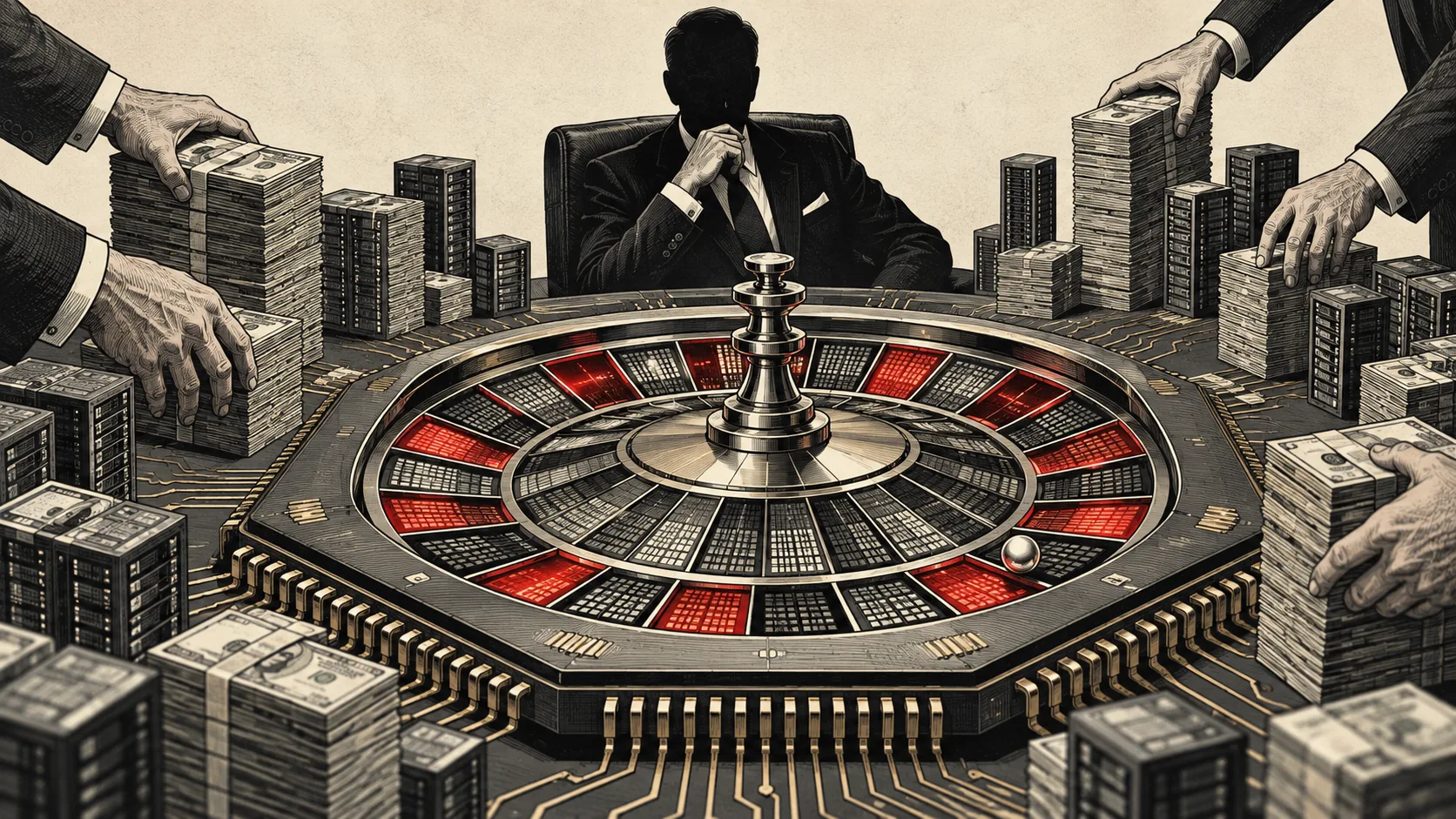
- •Broadcom CEO Hock Tan compared AI investors’ expectations to gambling at a Singapore conference on Monday
- •Broadcom has earned about $68 billion from AI semiconductors since late 2023; OpenAI expects training costs above $25 billion this year
- •McKinsey survey: 80% reported individual productivity gains, 37% organizational EBITDA gains, and about one in five cited cost constraints
Broadcom CEO Hock Tan said on Monday at the DBS Asia Future Forward Conference in Singapore that many investors in the AI boom do not understand what they are investing in, comparing their expectations to gambling. His remarks came as Wall Street debated whether the AI bubble would burst. Broadcom designs custom AI chips for hyperscalers building data centers and has generated about $68 billion in AI semiconductor revenue since late 2023.
Tan questioned whether AI labs can make enough money to cover the cost of developing and running their models. Broadcom earns revenue by selling chips, while the labs buying computing power need enough paying customers to cover those expenses. OpenAI expects to spend more than $25 billion on training alone this year. Tan said that spending on training means the company is still losing money, and that current figures show potential revenue growth from frontier generative AI models rather than proof of profitability.
Tan also criticized companies for spending on tokens to experiment with AI without first identifying uses that generate returns. He compared this to children spending $10 in arcade tokens in 10 minutes without learning anything. A McKinsey survey cited in the report found that 80% of respondents said AI improved their individual productivity, but only 37% said it contributed to their organization’s EBITDA. About one in five said AI-related operating expenses, including token costs, had constrained their organization’s use of the technology.