CAA Backs Artists in OpenAI Copyright Fight
- •CAA joined artists in an October 20 brief opposing unauthorized use of creative work to train OpenAI models.
- •Bryan Lourd called for AI development grounded in creator consent, control and compensation.
- •The filing says licensing at scale is possible; WME and labor groups also submitted briefs.
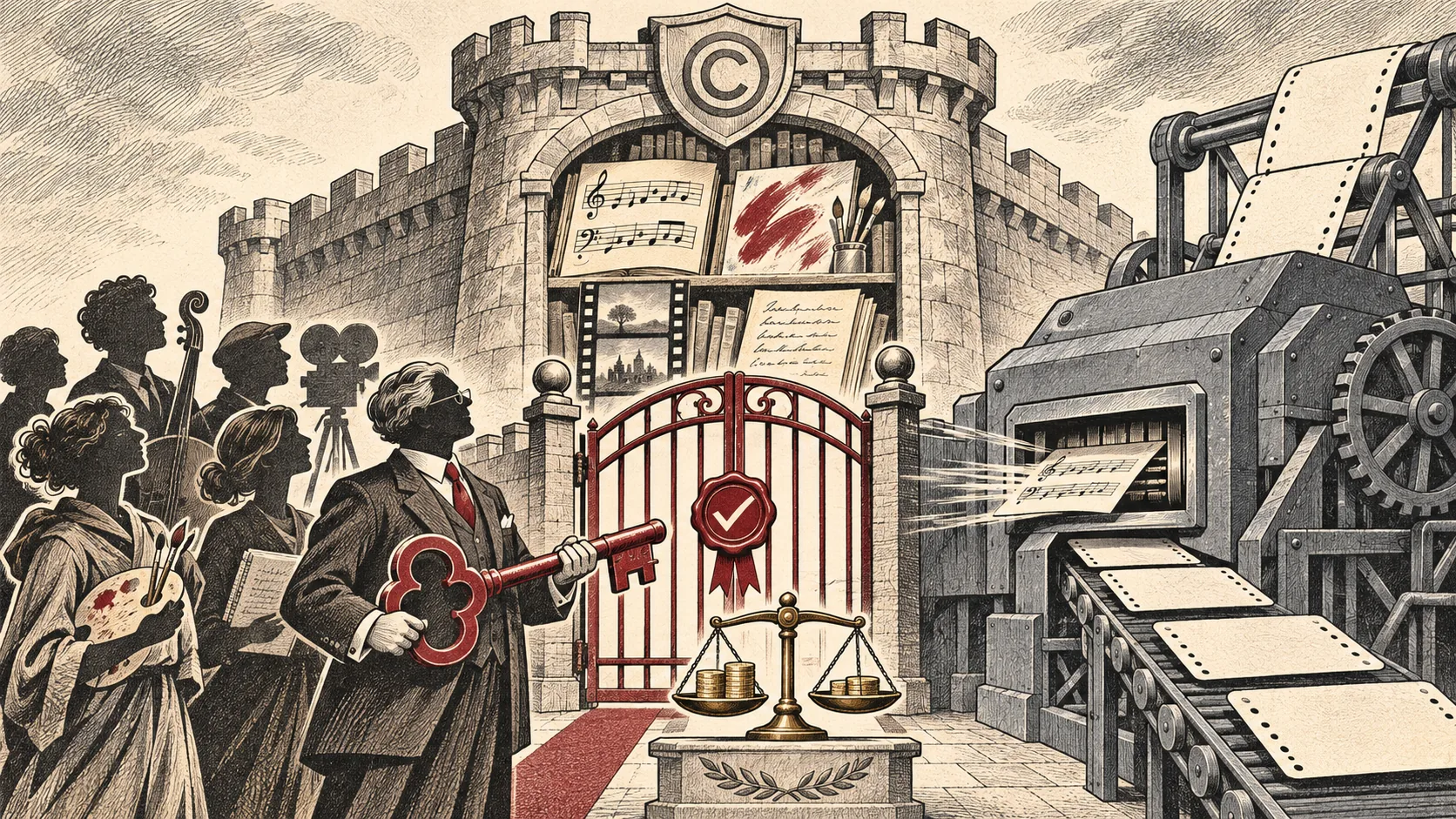
CAA chief Bryan Lourd told Deadline on November 3 that the agency joined artists and creative groups in urging courts and technology companies to protect creators’ rights as OpenAI faces a copyright lawsuit brought by The New York Times and other publishers. CAA filed an amicus brief on October 20 in the nearly two-year-old consolidated case. The brief argues that “technical silence is not legal consent” and objects to creative work being used to train AI models without permission.
Actor Robert De Niro signed the brief alongside Ariana DeBose, Helen Mirren, Emma Thompson, Julia Roberts, Scarlett Johansson, Vince Gilligan, Rosario Dawson, Dan Levy and Anne Hathaway. CAA’s filing was submitted by Bass, Berry & Sims PLC, representing CAA, the Human Consent Foundation, Music Artists Coalition, the National Association of Voice Actors, Writer, Inc., the Creators Coalition for Artificial Intelligence, Cate Blanchett, Steven Soderbergh and Nick Hexum.
Lourd said the dispute concerns “the fundamental relationship between technological progress and creative rights,” including who decides how creative work is used and valued and whether creators share in AI’s opportunities. He said CAA believes in AI’s promise but that its future must be built “with artists, not at their expense,” and grounded in consent, control and compensation. The agency supports developing licensing frameworks for AI.
OpenAI argues that its use of material to train models is fair use and says that principle is fair to creators, necessary for innovation and critical to US competitiveness. The CAA-led brief disputes OpenAI’s position that licensing deals are too costly, arguing that systems for managing transactions among multiple rights holders are established and being adapted for AI. It says licensing at scale is not inherently impossible.
CAA has launched CAA Vault and other AI-focused initiatives. In September, the agency’s chief compliance officer and deputy general counsel, Tammy Brandt, told Deadline’s LA Law Summit that cultural change happens well before political and legal change. The article also notes that WME filed a similar brief the prior week, calling for ethical and responsible AI use and proper compensation and authorization when talent and creator rights are affected. SAG-AFTRA, the American Federation of Musicians and the Writers Guild of America East and West filed a joint brief on October 29, saying OpenAI appropriated work by middle- and working-class people to develop its technology.