Cainz Cuts Demand Forecast Error by 19%
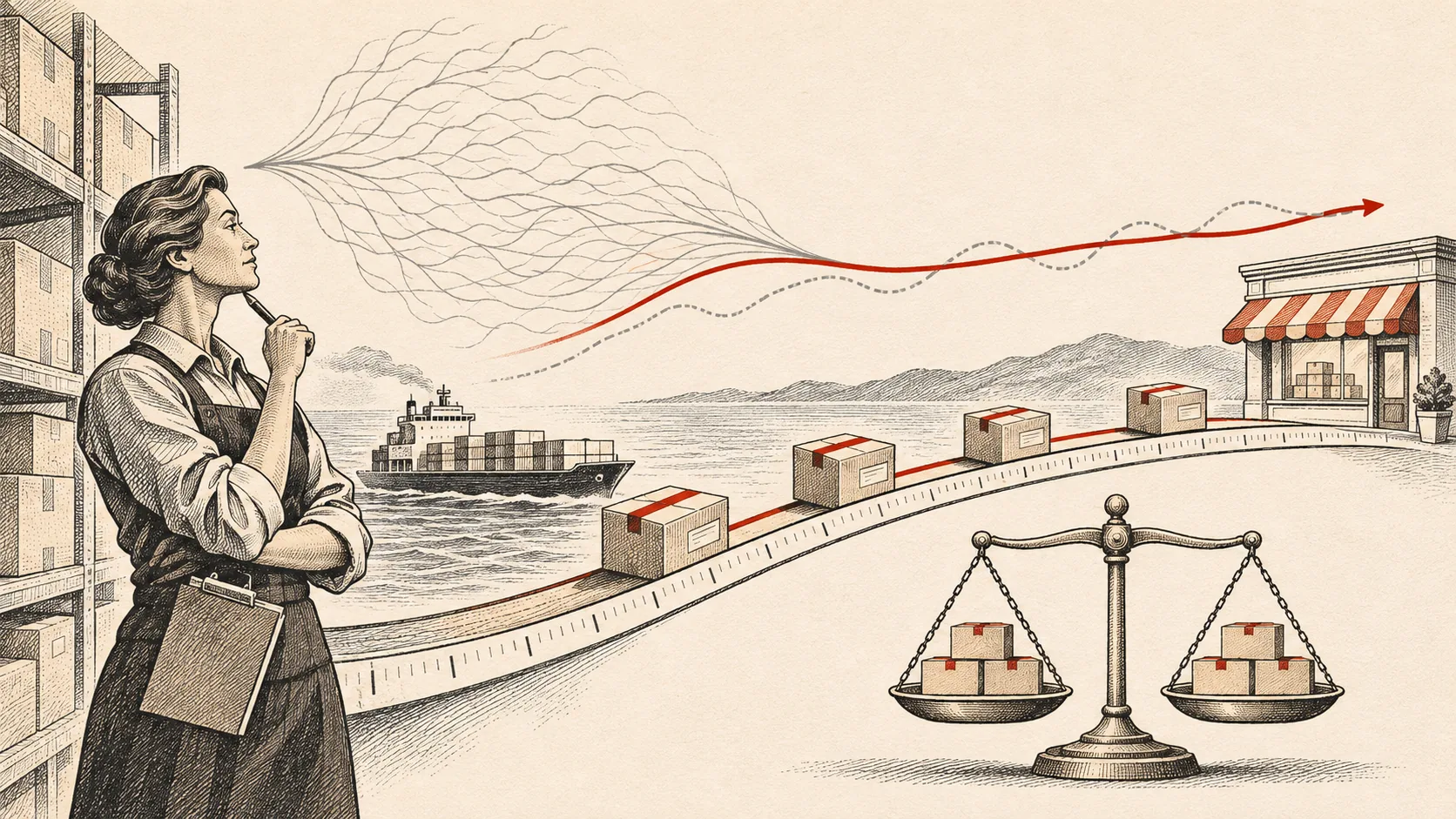
- •Cainz used AlphaEvolve to improve long-term demand forecasts for overseas-made private-label products.
- •Forecast error improved 19% over the previous model after hundreds to thousands of algorithm searches.
- •Cainz plans to measure stockout reduction and inventory optimization in categories with improved forecast accuracy.
Cainz, a major home improvement retailer, used the AlphaEvolve AI agent for long-term demand forecasts of overseas-made private-label products, improving forecast error by 19% compared with its manually adjusted model. Google Cloud Japan published the case study in a blog on October 30, 2026. AlphaEvolve automatically tests combinations of features and parameters to improve algorithms autonomously.
Cainz is headquartered in Honjo, Saitama Prefecture, and operates 289 stores nationwide. Its demand forecasting system for optimizing orders and inventory began limited operation in June 2022, expanded to about 200 stores in September 2024, and reached all stores in October 2025. The system uses Google Cloud’s time-series forecasting feature, Vertex AI Forecasting. Since its introduction, new staff have been able to place orders with consistent accuracy, and store stockouts have decreased.
The system produces long-term and short-term forecasts. Long-term forecasts support orders for overseas-made private-label products and extend 39 weeks ahead for about 10,000 SKUs. Short-term forecasts support automated store replenishment and extend 6 weeks ahead for each store and SKU. The system covers about 1.9 million SKUs under normal conditions and up to 5 million during busy periods.
Before the system was introduced, staff prepared long-term forecasts manually, so ordering accuracy varied with their skill. For short-term forecasts, they used spreadsheets and prior-year or recent sales, which failed to capture demand when seasonal products first went on sale and led to stockouts. Even after the system reached all stores, business teams requested higher accuracy. Staff manually adjusted features and hyperparameters, settings that control how a model learns, but repeated human adjustment and testing limited the number of trials.
Cannibalization, in which sales of a new product take sales away from existing products, was another challenge. The models were retrained once a month, but new products’ sales data took time to emerge, making advance forecasts difficult. Designing features to capture later trend changes and shifts in demand within a category was also complex. Cainz had improved its long-term model manually in stages for about 3 years, but progress had stalled.
Cainz used AlphaEvolve to search the long-term forecasting algorithm hundreds to thousands of times and autonomously improve features and other elements. Google Cloud began a limited preview of the feature in December 2025 and made it generally available in July 2026; Cainz used the preview version. The company said autonomous searches could identify features that capture changes in demand within a category and showed potential to improve forecasts of demand shifts associated with cannibalization. Cainz plans to measure how improved forecast accuracy in selected categories affects stockout reduction and inventory-level optimization.