DisrupTV Examines AI and Human Work
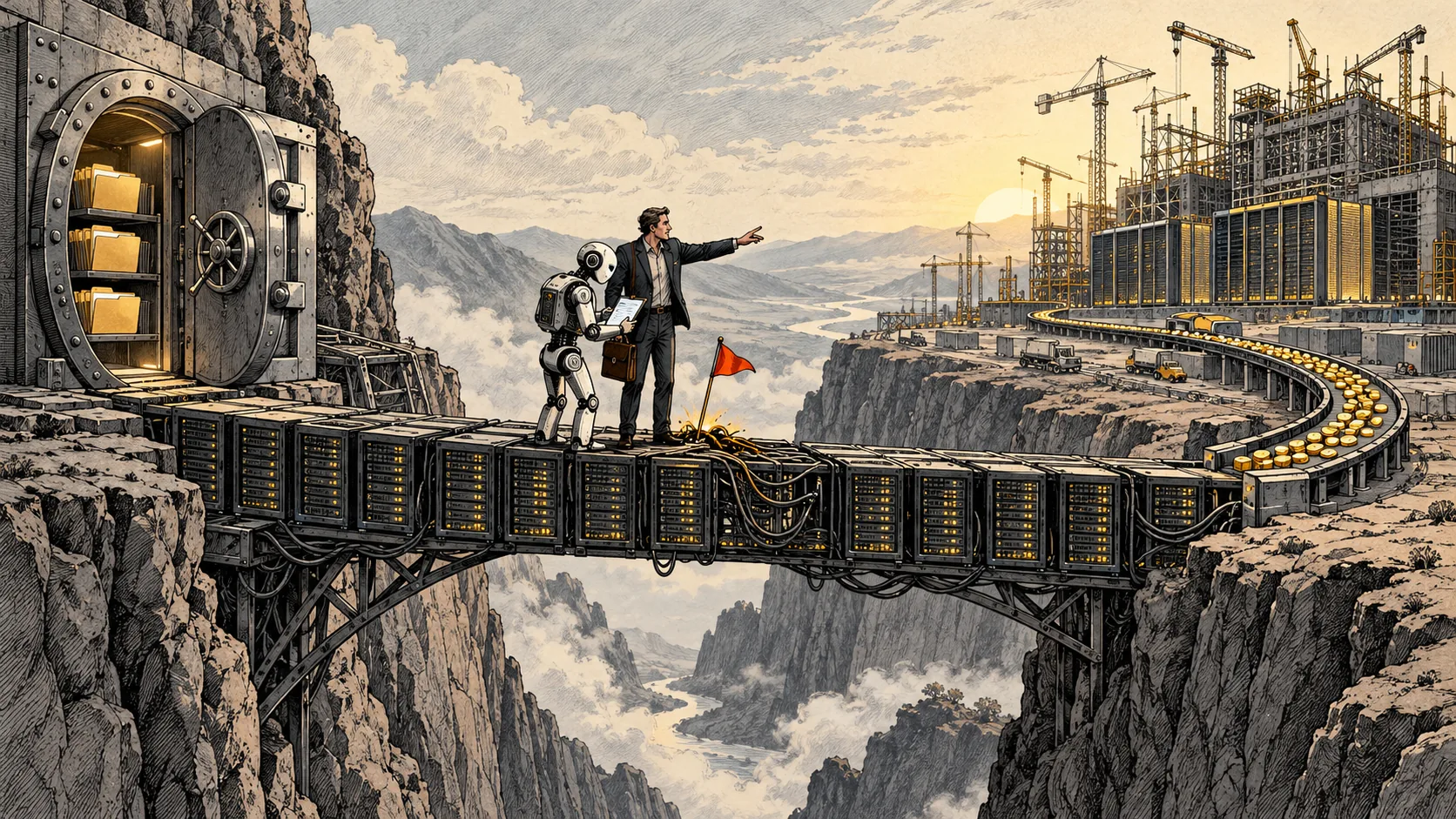
- •DisrupTV Episode 453 examines infrastructure, data, model choice and human judgment in practical AI use
- •James Altucher says falling model-running costs contrast with rising data-center investment and constrained access to company data
- •Ganesh shares sales examples where AI captures information and flags risks while people interpret context and build relationships
On October 16, 2026, DisrupTV Episode 453 featured entrepreneur and author James Altucher and Ganesh, CEO of Aspr AI, discussing how infrastructure, access to data, model choice and human judgment shape practical AI outcomes. They argued that AI’s value should be measured by what people and organizations can accomplish, rather than model capability alone.
Altucher said the cost of running AI models is falling while investment in data-center infrastructure is rising. GPUs are only one constraint, he said; the connections between them, power, facilities and supporting systems also matter. He pointed to company data held behind corporate firewalls as another obstacle: public web content is increasingly available to AI systems, but useful organizational information may not be. Businesses therefore face the question of how to use their own data safely and effectively in real workflows.
Altucher cautioned that the newest or most expensive model is not always the right choice. Simple tasks may need less powerful models, while complex work may benefit from several models working together. He described a system that sorts prompts into categories and assesses models by quality, speed and cost, with the aim of matching the approach to each task rather than using one model for everything. He also described decentralized platforms where people around the world contribute computing resources to solve defined problems. Such approaches could let more developers and organizations experiment without relying only on a small number of providers; the discussion identified cost, access and competition as factors shaping adoption.
For people entering the field, Altucher recommended hands-on building and helping organizations apply AI to real needs. He described moving from services toward products by working directly with customers, learning their problems and using that experience to develop solutions for more people. Close customer contact, he said, can help identify what is valuable and where a durable product might emerge.
Ganesh said sales teams can use AI for repeatable administrative work while people handle judgment, relationships and conversational nuance. In one example, an AI note-taker read a buyer’s response as positive, but the seller noticed hesitation and asked a follow-up. The buyer then raised a concern about a previous implementation. The tool captured information and freed the seller to pay attention, while the seller supplied context and judgment the AI had missed. In another example, AI helped surface a possible deal blind spot: a seller thought the VP of Sales was the economic buyer, but conversations and a policy document indicated that the CFO had to be involved above a certain purchasing threshold.
Ganesh added that process work may suit automation, while changes to people’s judgment, communication and habits require coaching and trust. His team uses a much shorter product roadmap and releases improvements frequently. He said helping customers adapt AI to their workflows can matter as much as the product, particularly in a crowded market where organizations can build features quickly. The discussion’s closing measure of progress was whether AI helps people spend less time on routine work and more on decisions, relationships and outcomes, such as earning a seller’s trust, improving a team decision or solving a business problem. It called for choosing tools by task, quality, speed and cost, looking beyond GPUs to infrastructure and enterprise data, pairing AI with human judgment, and measuring what people can accomplish.