ElevenLabs CEO Backs Tested AI Deployment
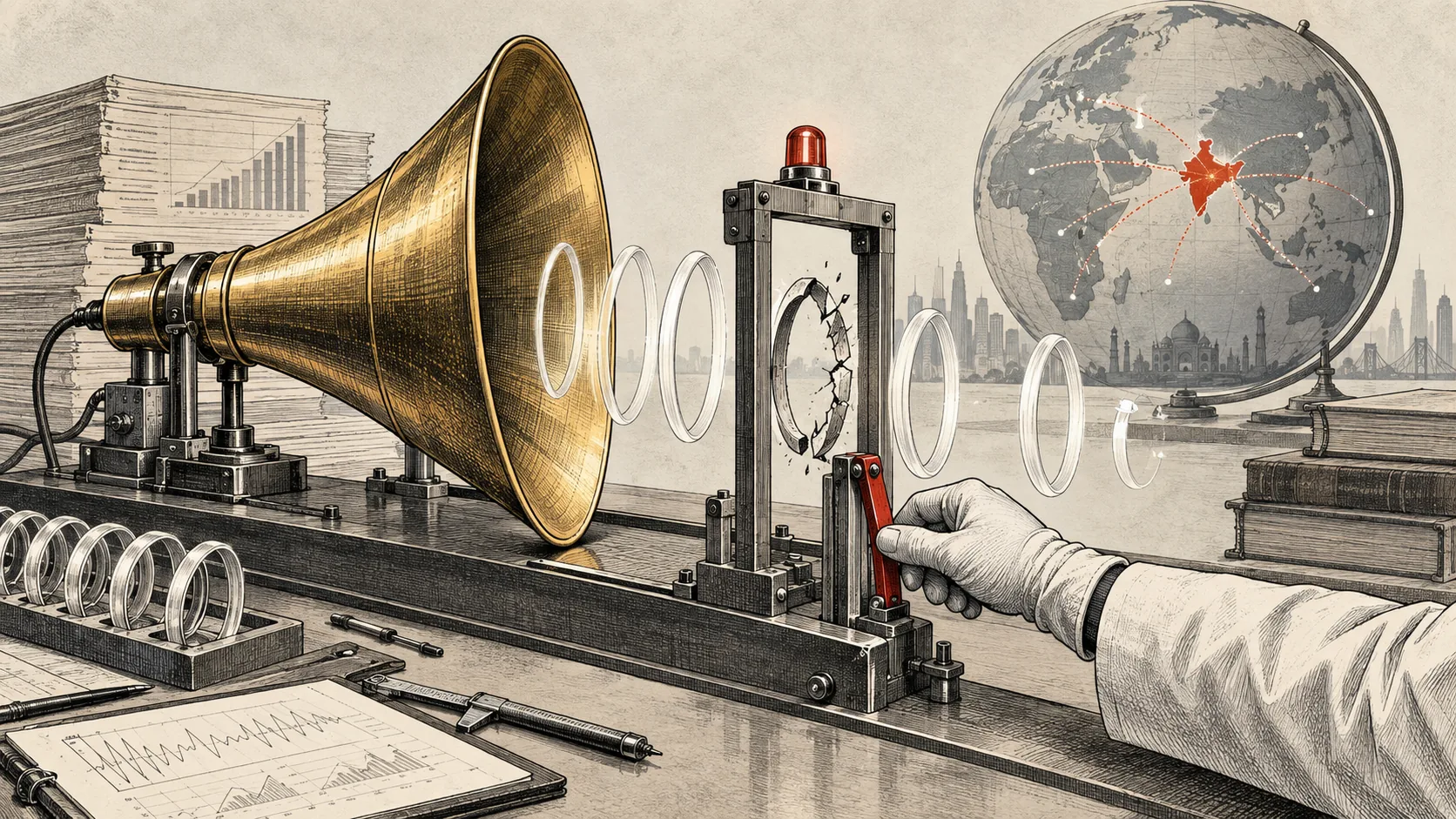
- •ElevenLabs CEO Mati Staniszewski opposes an industry-wide slowdown, urging pauses only for AI technology found unsafe.
- •The four-year-old voice AI company completed a $300 million employee tender offer, doubling its valuation to as much as $22 billion.
- •India is ElevenLabs’ second-biggest, fast-growing market; Staniszewski says local voice AI use cases could travel globally.
ElevenLabs cofounder and CEO Mati Staniszewski said companies should pause artificial intelligence deployment when technology is found to be unsafe, but proceed when it has passed adequate testing. He said he does not support an industry-wide slowdown in AI development. In an interview, Staniszewski said collaboration across the industry is increasing to assess risks, and called for balancing AI’s benefits to society against its risks.
The London-headquartered voice AI company completed a $300 million employee tender offer last week, doubling its valuation to as much as $22 billion in about eight months. ElevenLabs is four years old and backed by Sequoia Capital, Andreessen Horowitz (a16z), BlackRock, Wellington and Nvidia’s venture arm NVentures.
India is ElevenLabs’ second-biggest market and is growing quickly, Staniszewski said. He described India as a voice-first country and said the company saw its highest usage, pickup and number of new use cases there when it started. He said India could become a proving ground for applied voice AI, with use cases developed there spreading globally. The article was published on October 6, 2026; it lists Staniszewski’s age as 31 and gives the story’s last-updated time as October 7, 2026, at 3:31 a.m. IST; the syndicated story was not edited by Economic Times.com and was auto-generated from a subscribed feed.
The article identifies Staniszewski as ElevenLabs’ cofounder and chief executive. It reports that the employee tender offer was completed “last week,” without giving a specific calendar date, and describes the company’s valuation as reaching as much as $22 billion in roughly eight months.