Enterprise AI Agents Face Limits on Autonomy
- •KPMG survey finds 62% of IT leaders building, deploying, or developing agents, up from 53% in the previous quarter
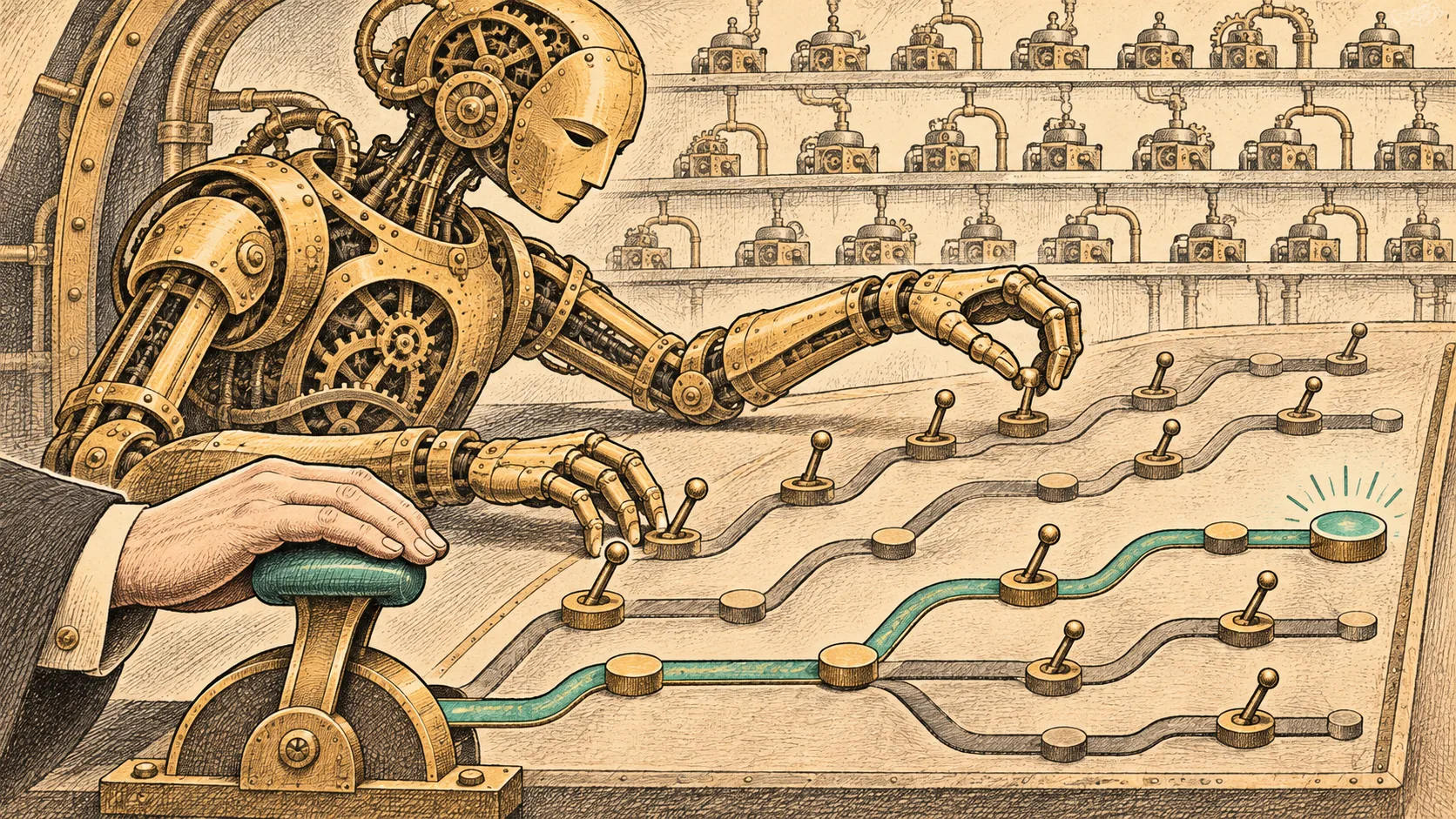
- •Enterprise leaders favor restricted autonomy, with human checks for sensitive, consequential, or irreversible actions
- •Barracuda has about 2,000 agents; Taupia tests customer-confirmed energy provider switches
A KPMG survey conducted in July and August found that 62% of IT leaders were building, deploying, or developing AI agents, up from 53% in the previous quarter. Yet many remain uncomfortable giving agents broad control over internal processes, apart from basic, low-risk jobs such as tier 1 IT support. ModelOp CTO Jim Olsen says restricted autonomy is already in use, including for customer refunds or credits, but he does not expect enterprises to grant agents unrestricted authority in the near future.
Olsen cites individual users who gave Clawdbot and OpenClaw full access to email as an example of the risk: it worked well for some, but created significant exposure. He recommends placing autonomous bots in a strict sandbox (a controlled environment that limits what software can access) and setting clear policies. Lower-risk activities without access to sensitive information are likely to receive autonomy first, he says, with broader use as trust improves. IT leaders also worry about “autonomy creep,” in which agents quietly gain more authority than intended. Human oversight may not always give employees the time or authority to correct errors. Olsen points to API gateways, operating-system-level enforcement, and credential management as ways to apply runtime policies, while saying organizations still need a more cohesive strategy tied to each agent and use case.
Siroui Mushegian, CIO of Barracuda Networks, says her company has about 2,000 agents deployed, but employees still check their actions. Some ticketing automations are close to autonomous under a “trust-but-verify” approach; she is not 100% certain about removing human accountability, especially for auditable processes. She says the consequences of a mistake should determine how much evidence is required before granting more authority. Routine support requests with documented answers, limited actions, and easily corrected mistakes are candidates for autonomy. Agents that change access permissions or production systems are less suitable. Within one workflow, an agent may complete some steps independently while requiring approval for consequential decisions.
Taupia co-founder and CTO Joshua Rowe says autonomy should be set by action: an agent may work independently on one step and need approval on another. He sees near-autonomous use in read-heavy work such as gathering data, triage, drafting, and comparing options. Taupia is testing an agent that compares energy deals and prepares provider switches; customers must still review and confirm each change before it takes effect. Rowe says autonomous authority for irreversible actions depends on whether organizations can make actions reversible or bounded through spending limits, cooling-off periods, rollback, and audit trails. He would retain human approval for actions that cannot be undone, such as signing a contract or moving money between accounts.
Text CTO Maciej Walaszczyk says customer-service agents can answer inquiries without constant supervision when trained on human-provided knowledge, with autonomy set by permissions and consequences. He recommends delegating specific processes with defined goals, boundaries, and verifiable outcomes rather than handing over entire departments. In his view, an agent should not have more authority than the person it represents. Trust requires real oversight and verified results; human review remains necessary for irreversible actions or those with major consequences, and responsibility does not disappear because “AI did it.”