Goldman Sachs Warns Data Center Power Demand to Surge 170% by 2030, Calling Electricity the Biggest Bottleneck to AI Growth
- •Goldman Sachs projects global data center power demand will surge 170% from 2025 to 2030, with over 60% of the increase occurring in the United States
- •About 2,600 GW of power generation and energy storage projects in the U.S. are waiting for grid connection, with a median wait of roughly five years from application to commercial operation
- •Goldman Sachs says AI growth speed may depend more on power supply capacity than on chip or data center investment levels
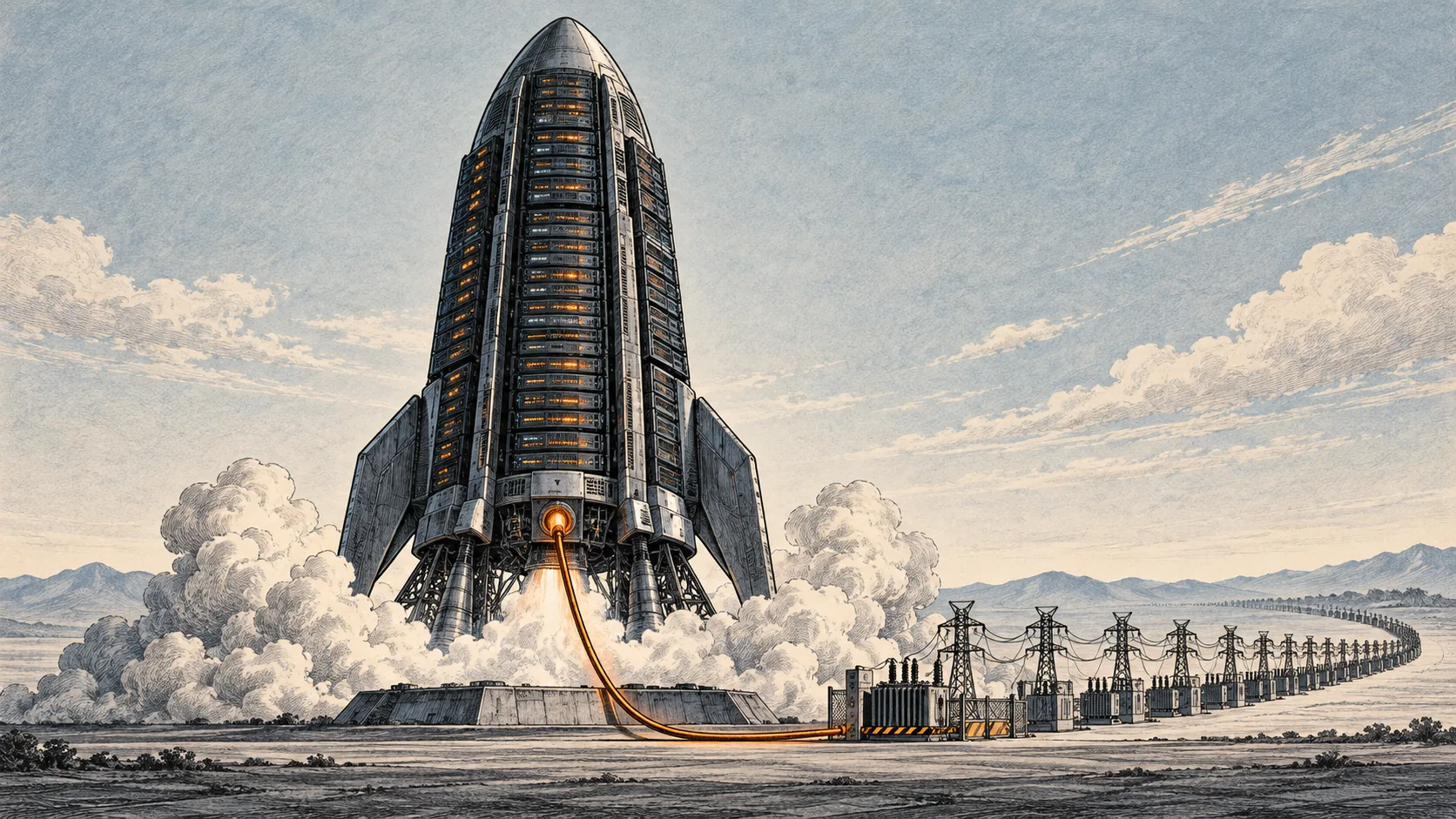
Goldman Sachs warned in a report published October 19, 2026 (local time) that the power infrastructure buildout is failing to keep pace with the rapid growth of the AI industry, and that electricity supply could become the biggest bottleneck to AI growth.
According to the report, global data center power demand is expected to surge 170% between 2025 and 2030, with more than 60% of that increase expected to occur in the United States.
Currently, about 2,600 gigawatts (GW) of power generation and energy storage projects in the U.S. are waiting for grid connection, a volume more than double the existing generating capacity. However, the median time from grid connection application to commercial operation is about five years.
The construction of new high-voltage transmission lines in the U.S. fell about 80%, from an average of 1,700 miles (about 2,736 km) per year in 2010–2014 to 350 miles (about 563 km) in 2020–2023. Permitting procedures such as environmental impact assessments take three to four years, and supplying high-voltage substations and large transformers takes another three to five years, delaying infrastructure expansion.
Local opposition is also a hurdle. According to Goldman Sachs, 86 related projects have been canceled or significantly delayed since January this year, and 76 of them were directly linked to local resident opposition. Residents are reportedly concerned about noise, traffic congestion, increased water use, and possible rises in electricity bills.
Goldman Sachs analyzed that, due to these combined bottlenecks, the pace of AI industry growth may depend on actual power supply capacity rather than on semiconductor or data center investment scale. If power infrastructure expansion is delayed, data center construction schedules could slip and recovery of massive investments could be hampered.
Goldman Sachs estimates that about $7.6 trillion will be invested in AI computing, data centers, and power infrastructure between 2026 and 2031. Bond issuance by major tech companies such as Amazon, Alphabet, and Microsoft is expected to reach $420 billion next year, more than 60% above this year's estimate.
Jason Tofsky, head of Goldman Sachs' Global Digital Infrastructure Investment Banking unit, pointed out that while data center construction involves dozens of challenges including financing, securing power is likely to be the most persistent bottleneck.