Compare AIFind AIAI NewsAI How-To
About Us
PrivacyTermsFAQContactContact
AIB Inc.Company info
© 2026 AIB Inc.

Google Study Tests AMIE Before Urgent Care
Google Study Tests AMIE Before Urgent Care

Google Blog·Friday, October 9, 2026
  • •Google and BIDMC researchers published an AMIE clinical study in The Lancet on October 8, 2026
  • •98 patients used AMIE before urgent care; no conversation was interrupted under predefined safety criteria
  • •Clinicians reported useful summaries in 75% of visits; diagnoses matched doctors’ final diagnoses 90% of the time
  • •Google and BIDMC researchers published an AMIE clinical study in The Lancet on October 8, 2026
  • •98 patients used AMIE before urgent care; no conversation was interrupted under predefined safety criteria
  • •Clinicians reported useful summaries in 75% of visits; diagnoses matched doctors’ final diagnoses 90% of the time
  • •Google and BIDMC researchers published an AMIE clinical study in The Lancet on October 8, 2026
  • •98 patients used AMIE before urgent care; no conversation was interrupted under predefined safety criteria
  • •Clinicians reported useful summaries in 75% of visits; diagnoses matched doctors’ final diagnoses 90% of the time
  • •Google and BIDMC researchers published an AMIE clinical study in The Lancet on October 8, 2026
  • •98 patients used AMIE before urgent care; no conversation was interrupted under predefined safety criteria
  • •Clinicians reported useful summaries in 75% of visits; diagnoses matched doctors’ final diagnoses 90% of the time

Researchers from Google and Beth Israel Deaconess Medical Center (BIDMC) published a study in The Lancet on October 8, 2026, examining whether an AI chatbot can assess patients before a doctor visit. The work was Google’s first publication in the journal’s main edition.

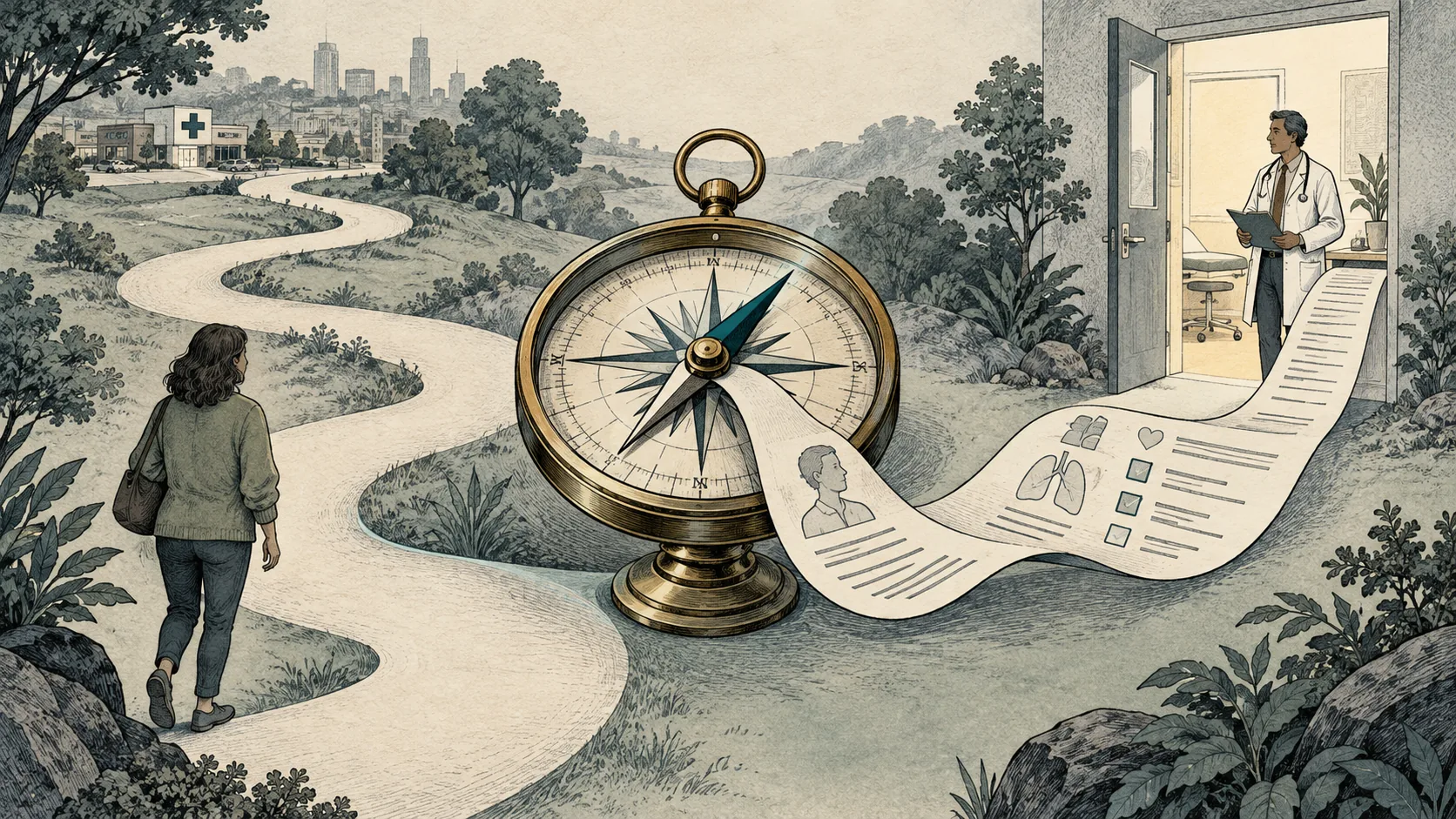
At BIDMC’s ambulatory primary care clinic, 98 patients used AMIE, a research diagnostic AI chatbot, before urgent care visits. Physicians supervised conversations in real time, and none had to be interrupted under predefined safety criteria. Clinicians said AMIE’s summaries helped them prepare for 75% of visits and influenced their care approach in more than half. Its differential diagnoses matched doctors’ final diagnoses 90% of the time.

The researchers said larger clinical trials are needed to assess patient-facing AI at scale. They said the findings suggest potential to enhance patient-physician relationships and ease pressure on healthcare workers.

Researchers from Google and Beth Israel Deaconess Medical Center (BIDMC) published a study in The Lancet on October 8, 2026, examining whether an AI chatbot can assess patients before a doctor visit. The work was Google’s first publication in the journal’s main edition.

At BIDMC’s ambulatory primary care clinic, 98 patients used AMIE, a research diagnostic AI chatbot, before urgent care visits. Physicians supervised conversations in real time, and none had to be interrupted under predefined safety criteria. Clinicians said AMIE’s summaries helped them prepare for 75% of visits and influenced their care approach in more than half. Its differential diagnoses matched doctors’ final diagnoses 90% of the time.

The researchers said larger clinical trials are needed to assess patient-facing AI at scale. They said the findings suggest potential to enhance patient-physician relationships and ease pressure on healthcare workers.

Read original (English)·Oct 8, 2026
Healthcare#google#amie#beth israel deaconess medical center#the lancet#clinical study#primary care#urgent care#differential diagnosis