Google Opens SynthID Detector in Nigeria
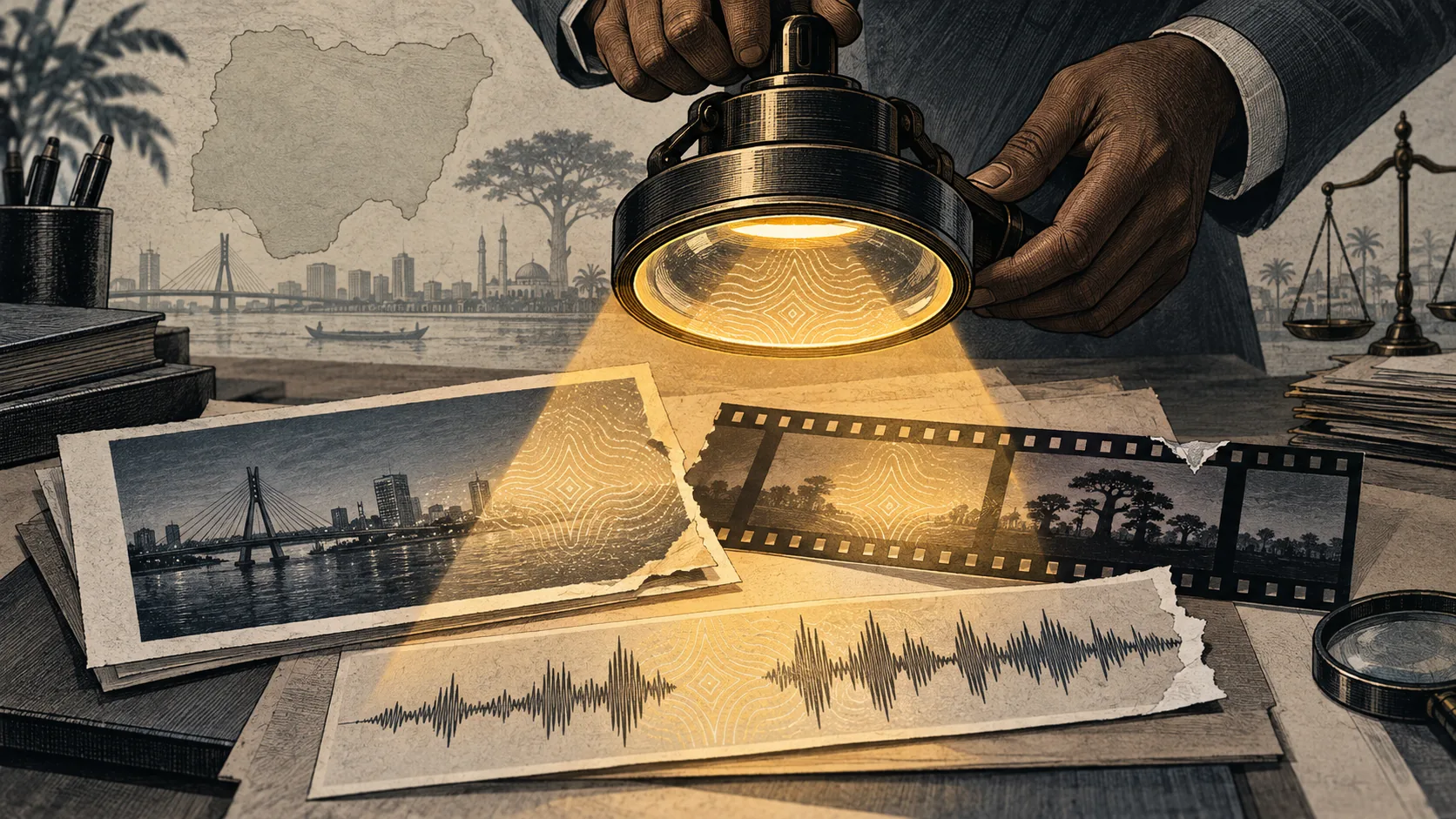
- •Google opens free SynthID Detector access in Nigeria for checking AI-created or modified photos, videos and audio
- •The portal detects Google model watermarks and protocols from OpenAI and NVIDIA, including after media edits
- •Nigerian fact-checkers and civil society groups cite uses against deepfakes, misinformation and unauthorized AI cloning
Google has opened public access in Nigeria to SynthID Detector, a free web portal that lets citizens, journalists and digital creators check whether photos, videos and audio files were created or modified with artificial intelligence. Users can upload media to the portal or run checks through the Gemini app. Google says the site has daily usage quotas for images, short videos and audio clips, but the article does not state quota amounts.
Developed by Google DeepMind, SynthID embeds imperceptible digital watermarks in AI-generated media. The marks are designed to remain detectable after content is cropped, resized, recolored or heavily compressed, unlike traditional metadata. The portal detects media from Google models including Imagen, Veo and Gemini, as well as watermarking protocols from partners OpenAI and NVIDIA. Google said SynthID had previously been limited to select research environments.
Google West Africa Director Olumide Balogun said public access gives everyday users, newsrooms and researchers verification technology as generative AI tools become more widely used across West Africa. The article says the rollout comes amid concerns about deepfakes, online impersonation and misinformation on social media. Nigerian media literacy advocates and fact-checking groups backed the availability of the tool, citing manipulated images and audio deepfakes during sensitive political and civic events.
Silas Jonathan, lead AI and digital forensics researcher at FactCheckAfrica, called the portal’s public availability a milestone for media verification. He said generative AI has lowered the barrier to creating realistic manipulated media that can mislead people on social and economic issues, and said free verification tools can help African fact-checkers and citizens. Civil society leaders and technology stakeholders also said the tool could protect local content creators, musicians and public figures from unauthorized AI cloning and copyright infringement. Google plans to expand support for additional third-party generative models and media standards in future updates.