Compare AIFind AIAI NewsAI How-To
About Us
PrivacyTermsFAQContactContact
AIB Inc.Company info
© 2026 AIB Inc.

JA Higashibiwako Puts Three AI-Built Apps to Work
JA Higashibiwako Puts Three AI-Built Apps to Work

Impress DIGITAL X·Monday, October 12, 2026
  • •JA Higashibiwako staff built in-house business apps through conversations with AI.
  • •Within one month, the cooperative developed and began operating three apps, expecting to cut work time by more than 70%.
  • •The cooperative plans to expand the apps across inspection sites and other operations, with nationwide use by Japan’s agricultural cooperatives in view.
  • •JA Higashibiwako staff built in-house business apps through conversations with AI.
  • •Within one month, the cooperative developed and began operating three apps, expecting to cut work time by more than 70%.
  • •The cooperative plans to expand the apps across inspection sites and other operations, with nationwide use by Japan’s agricultural cooperatives in view.
  • •JA Higashibiwako staff built in-house business apps through conversations with AI.
  • •Within one month, the cooperative developed and began operating three apps, expecting to cut work time by more than 70%.
  • •The cooperative plans to expand the apps across inspection sites and other operations, with nationwide use by Japan’s agricultural cooperatives in view.
  • •JA Higashibiwako staff built in-house business apps through conversations with AI.
  • •Within one month, the cooperative developed and began operating three apps, expecting to cut work time by more than 70%.
  • •The cooperative plans to expand the apps across inspection sites and other operations, with nationwide use by Japan’s agricultural cooperatives in view.

JA Higashibiwako, an agricultural cooperative headquartered in Hikone, Shiga Prefecture, began operating three in-house apps one month after adopting Asteria’s Bakusoku.AI service. The service lets frontline staff create and improve business apps by talking with AI, without programming knowledge. The cooperative aims to use the time saved through greater efficiency for member outreach and support. Asteria announced the adoption on September 28, 2026.

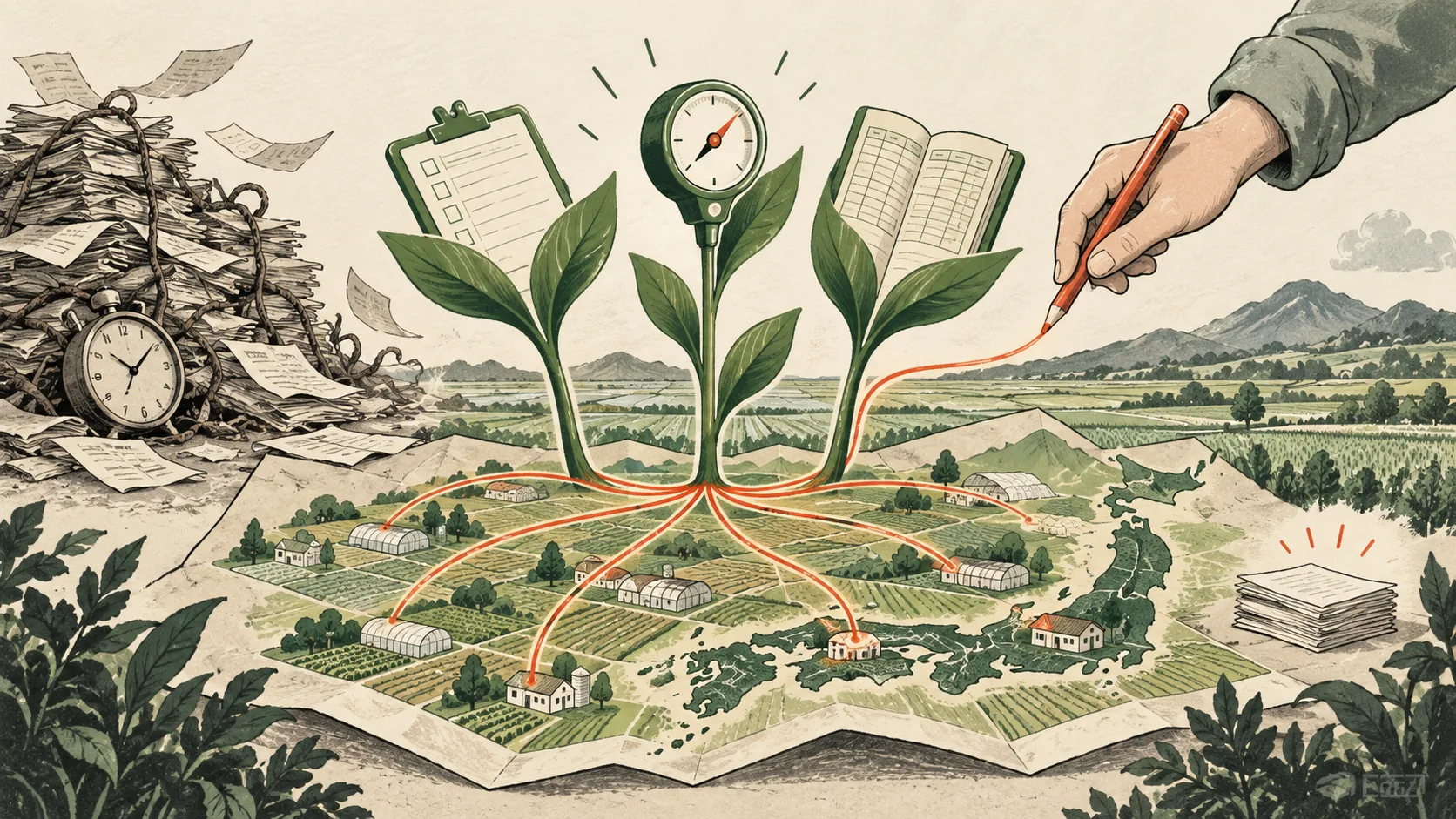
One app, Komeken, manages data from rice receipt through inspection and aggregation in one place. JA Higashibiwako expects it to reduce work time by more than 70%. A member-visit mapping app displays members’ locations and visit histories in real time to help staff share information and hand off work. A soil-improvement materials purchasing system brings purchase records and application-form collection status together in a dashboard, eliminating duplicated data entry and progress tracking.

Staff use AI conversations to organize business requirements, generate apps and make improvements after deployment. Before adopting the service, JA Higashibiwako had been pursuing digitization and paperless work to improve administrative efficiency and reduce workloads, but quality management for its main crop, Omi rice, still relied largely on paper. Handwriting inspection reports and transcribing them took time and led to transcription errors.

JA Higashibiwako plans to extend the system across all inspection sites and apply apps to other operations in stages. It is also considering sharing the apps with agricultural cooperatives nationwide. Kazuhiko Doi, deputy head of the cooperative’s Planning and General Affairs Department, said many cooperatives across Japan face common operational challenges and that the apps and development process could serve as a useful model for them. Asteria Canvas, the Asteria Group company responsible for software development, supported the deployment.

JA Higashibiwako, an agricultural cooperative headquartered in Hikone, Shiga Prefecture, began operating three in-house apps one month after adopting Asteria’s Bakusoku.AI service. The service lets frontline staff create and improve business apps by talking with AI, without programming knowledge. The cooperative aims to use the time saved through greater efficiency for member outreach and support. Asteria announced the adoption on September 28, 2026.

One app, Komeken, manages data from rice receipt through inspection and aggregation in one place. JA Higashibiwako expects it to reduce work time by more than 70%. A member-visit mapping app displays members’ locations and visit histories in real time to help staff share information and hand off work. A soil-improvement materials purchasing system brings purchase records and application-form collection status together in a dashboard, eliminating duplicated data entry and progress tracking.

Staff use AI conversations to organize business requirements, generate apps and make improvements after deployment. Before adopting the service, JA Higashibiwako had been pursuing digitization and paperless work to improve administrative efficiency and reduce workloads, but quality management for its main crop, Omi rice, still relied largely on paper. Handwriting inspection reports and transcribing them took time and led to transcription errors.

JA Higashibiwako plans to extend the system across all inspection sites and apply apps to other operations in stages. It is also considering sharing the apps with agricultural cooperatives nationwide. Kazuhiko Doi, deputy head of the cooperative’s Planning and General Affairs Department, said many cooperatives across Japan face common operational challenges and that the apps and development process could serve as a useful model for them. Asteria Canvas, the Asteria Group company responsible for software development, supported the deployment.

Read original (Japanese)·Oct 11, 2026
#ja higashibiwako#asteria#bakusoku.ai#business app generation#conversational ai#rice inspection#cooperative member visits#soil improvement materials