KDDI and ELYZA Launch Robotics Venture
- •KDDI and ELYZA’s physical AI company, ELYZA Robotics, began operations on October 1.
- •KDDI Group plans to invest ¥30 billion by fiscal 2030, build a team of more than 300, and deploy over 1,000 robots.
- •Starting in 2026, the company plans pilots across industries and development of VLM, VLA, and two platform types.
KDDI and ELYZA established ELYZA Robotics to advance physical AI and began operations on October 1. KDDI Group plans to invest ¥30 billion in research and development by fiscal 2030, build a specialist organization of more than 300 people, and deploy more than 1,000 robots at work sites.
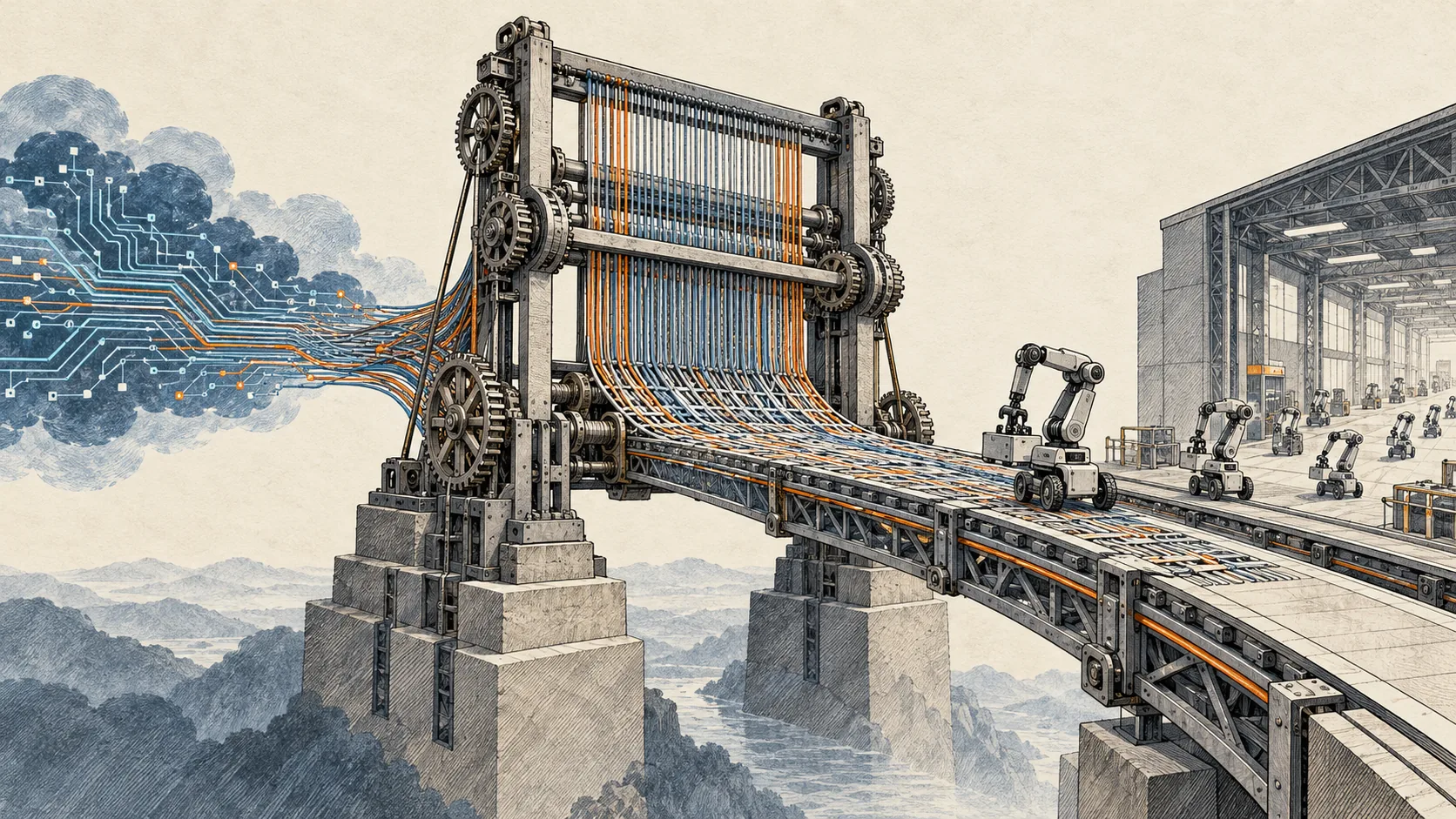
The company will bring together specialists from ELYZA and KDDI Research, Inc., and handle work from research and development through real-world deployment. Its core activities are developing robot foundation models, integrating robots into on-site operations, and building physical AI platforms to support research, development, and operations.
Its research includes VLMs, which process images and language, and VLAs, which generate robot actions. The company will also work on collecting work data from a human’s viewpoint and reproducing work sites in simulators. It plans to use KDDI’s communications network, its AI computing infrastructure called Digital Belt, and remote monitoring centers.
From 2026, the company plans to run proofs of concept across a range of work sites. It will source industrial robots, quadruped robots, and humanoids from robotics companies in Japan and overseas, then provide them according to industry and use case. Examples include inventory checks, stocking shelves, and customer service in retail; transport and out-of-stock detection in logistics; and precision work in manufacturing. Lawson, Soracom, other KDDI Group companies, and partner companies will support trials and deployments. The company also aims to expand beyond service industries into agriculture and construction in the future.
ELYZA Robotics will develop two physical AI platforms: one for research and development, supporting foundation-model development and the accumulation and use of on-site data; and one for practical use, supporting distributed inference, remote monitoring, and coordinated work by multiple robots. The company plans to feed data and knowledge gathered at work sites back into research and development. Its headquarters are at 3-15-9 Hongo, Bunkyo-ku, Tokyo, and its capital is ¥100 million.