South Korea Eyes AI Safety as an Export Advantage
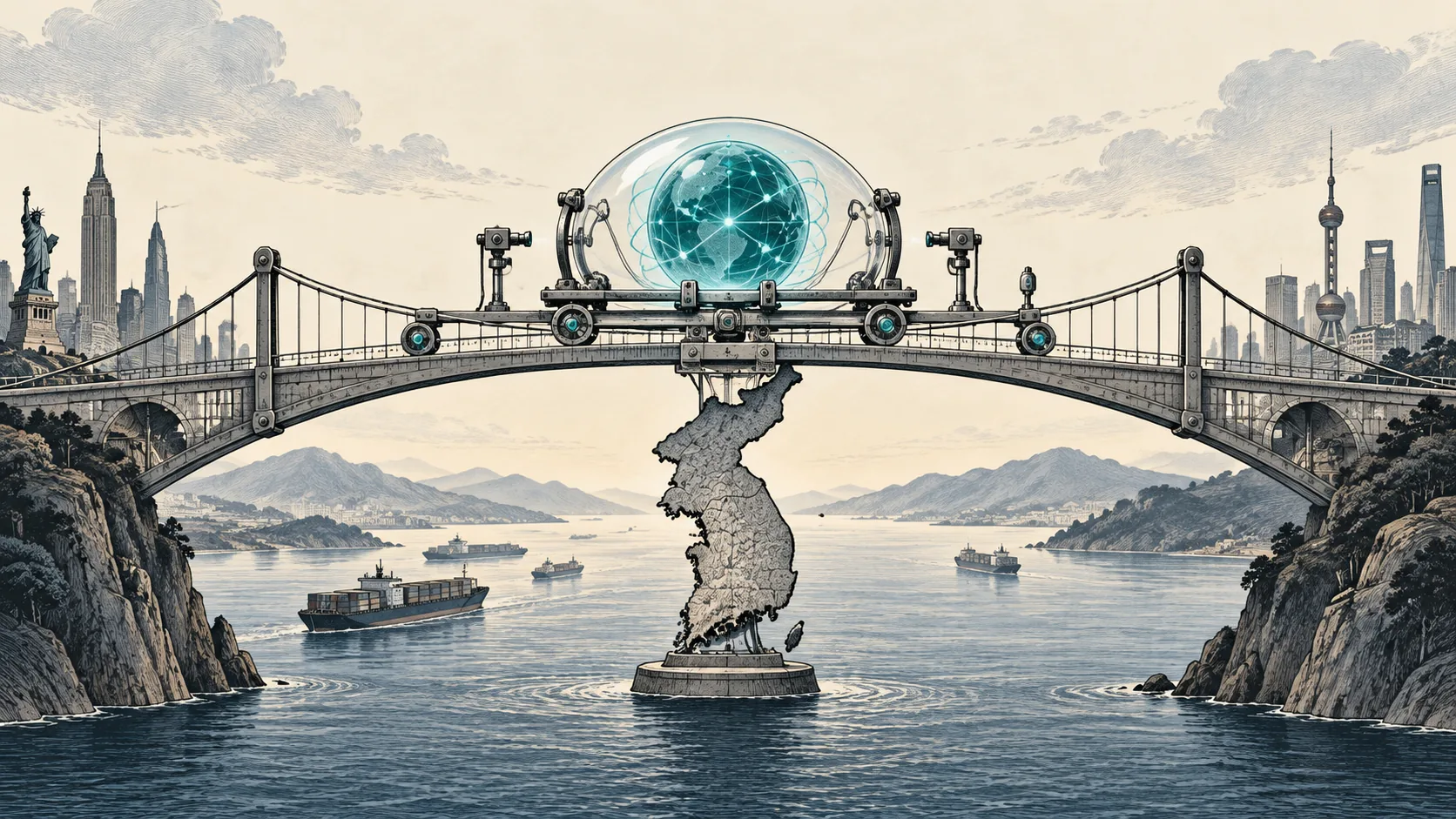
- •Roundtable participants urged South Korea to make AI safety and trust a competitive edge in global markets.
- •Speakers discussed South Korea’s moral leadership and its potential role as a trusted third AI partner.
- •Industry representatives forecast growth in AI verification and urged early engagement in shaping global rules.
An analysis urged South Korea to treat AI safety and trust as strengths for entering global markets, rather than only as matters of regulatory compliance. The closing roundtable of the Electronic Times’ 44th-anniversary special project, “AI Safeguard,” was held at the newspaper’s Seoul office in Seocho District under the theme “In the Age of AGI, How Can Korean AI Accelerate Safely?” Participants discussed how South Korea could establish a distinctive position amid global competition for AI leadership.
Byun Soon-yong, a professor at Seoul National University of Education, said South Korea could pursue “moral leadership”—an ethical advantage—as an alternative to the United States’ big tech leadership, Europe’s market leadership and China’s authoritarian leadership. As US-China AI competition intensifies, he said, countries are seeking new partners and South Korea could become a trusted third AI partner. Lee Jin-su, director of AI Policy Planning at the Ministry of Science and ICT, said more countries abroad want to cooperate with South Korea on AI. He said companies’ competitiveness and national trust could be turned into export strengths across technology, institutions, safety and trust.
Industry participants forecast growth in an independent, capable third-party AI evaluation market, with AI safety and trust becoming products and developing into an industry. Kim Se-yeop, CEO of Selectstar, said a market would emerge in which companies pay for AI certification and verification, as they do in other industries, and said he hoped the AI trust industry would become a future export sector. Kwon Soon-il, vice president and chief strategy officer at Upstage, said spending on safeguards is an investment to control the greater costs of responding to new risks and social controversies later.
Koh Hak-soo, a professor at Seoul National University School of Law, said it would be meaningless to ask for South Korea’s views to be reflected after global AI rules have been formalized. He urged the country to start working early, including at international meetings, several steps before agendas are set, to steer them in a direction favorable to South Korea.