Data Center Regulation Fears Send Kospi Down 5.28%
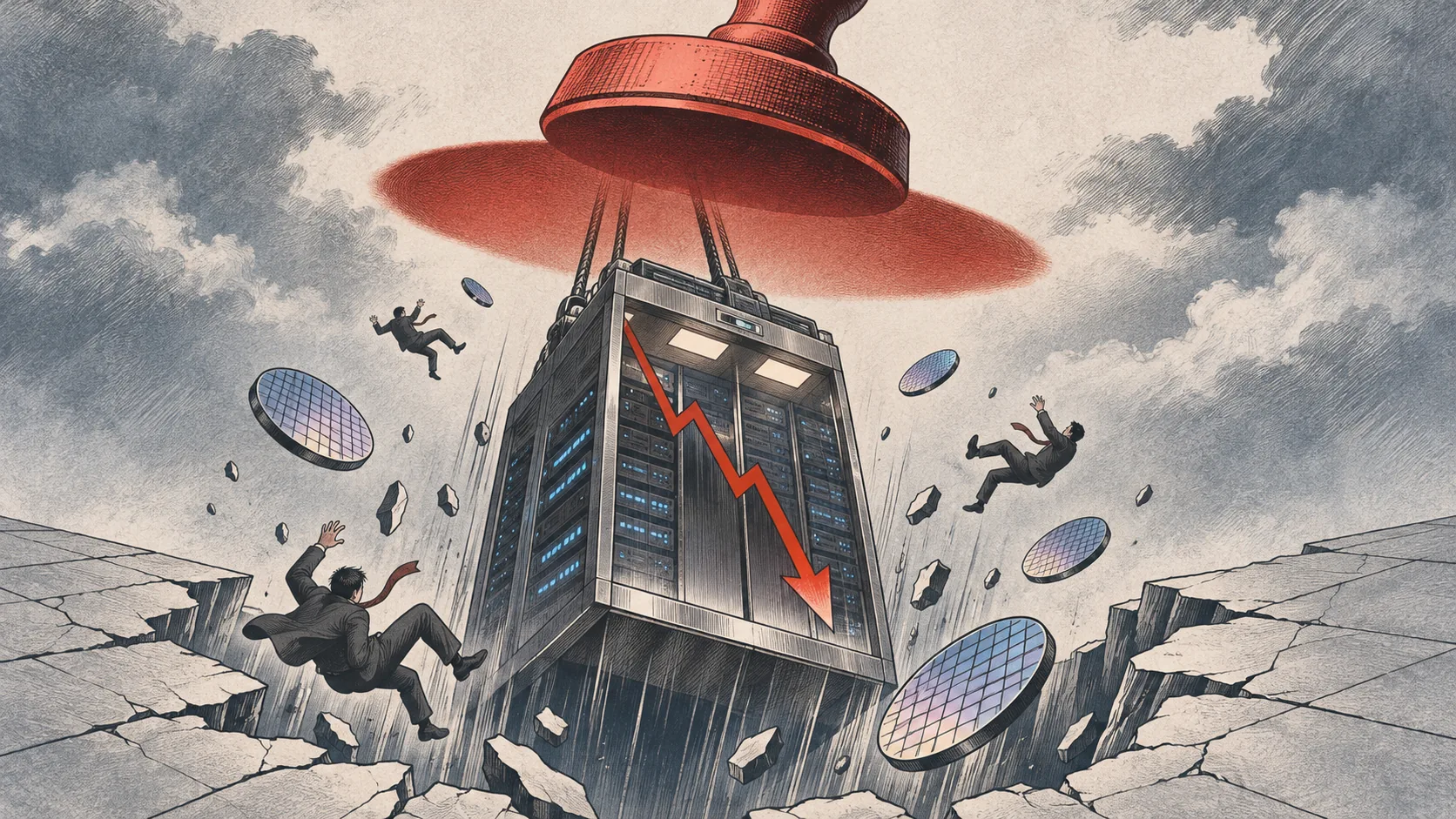
- •After the U.S. midterm elections, fears of data center regulation spread, sending South Korean stocks sharply lower on the 5th.
- •The Kospi fell 5.28% and the Kosdaq 5.11%; Samsung Electronics dropped 7.57% and SK Hynix fell 9.46%.
- •The Democratic Party’s AI data center policies, continued semiconductor investment, and corporate earnings are key variables for South Korean markets.
South Korean stocks plunged on the 5th as concerns grew that data center construction and expansion could face tighter regulation after Democrats won control of both chambers of the U.S. Congress in the midterm elections. Uncertainty over whether policy would diverge from the Trump administration prompted investors to avoid riskier assets. The potential effects of AI data center regulation on the semiconductor industry also drew concern.
The Korea Exchange said the Kospi closed at 5,383.80, down 5.28% (300.00 points) from the previous session. It was down 1–2% early in the session before losses widened. The index had remained below 6,000 for six consecutive trading days since October 28 and finished in the 5,000 range. The Kosdaq fell 5.11% (36.54 points) to 678.41, closing below 700.
Meta Platforms President Dina Powell McCormick said at a Wall Street Journal technology conference the day after the midterm elections that she expected much greater scrutiny of new data center construction and that building new facilities in the United States would become very difficult. The Information reported that 34 of the 36 governors who won or were leading in the election supported at least one regulation related to data centers.
Investors raised concerns that data center restrictions, if enacted, could hurt the semiconductor industry that supports South Korean stocks. Samsung Electronics fell 7.57% and SK Hynix dropped 9.46%, both losing more than the broader index. Samsung shares fell as low as 199,800 won during the session, briefly slipping below 200,000 won.
The direction of the Democratic Party’s AI data center policy was identified as a key variable for South Korean markets. If the risks anticipated by the market materialize, further declines in the Kospi and semiconductor shares could prolong the downturn. Lee Young-gon, head of research at Toss Securities, said concerns about reduced investment in the AI industry were already reflected in the market, adding that the continuation of semiconductor investment and the outlook for corporate earnings were important.