LG Plans Home Humanoid Robot Business Around 2030
- •LG plans to enter the home humanoid robot business around 2030, targeting a market where consumers can afford the products.
- •LG and Nvidia aim to gather about 500,000 hours of robot training data this year through real-world and simulated environments.
- •LG’s AI data center cooling orders topped 3 trillion won through the third quarter, prompting plans to expand production facilities.
LG Electronics said on the 28th during its third-quarter earnings call that it plans to expand into home humanoid robots around 2030, when it expects the market to begin growing in earnest. The company said making robots affordable for ordinary consumers will be key to expanding the market. Its approach combines robots designed for home appliances with appliances designed for robots.
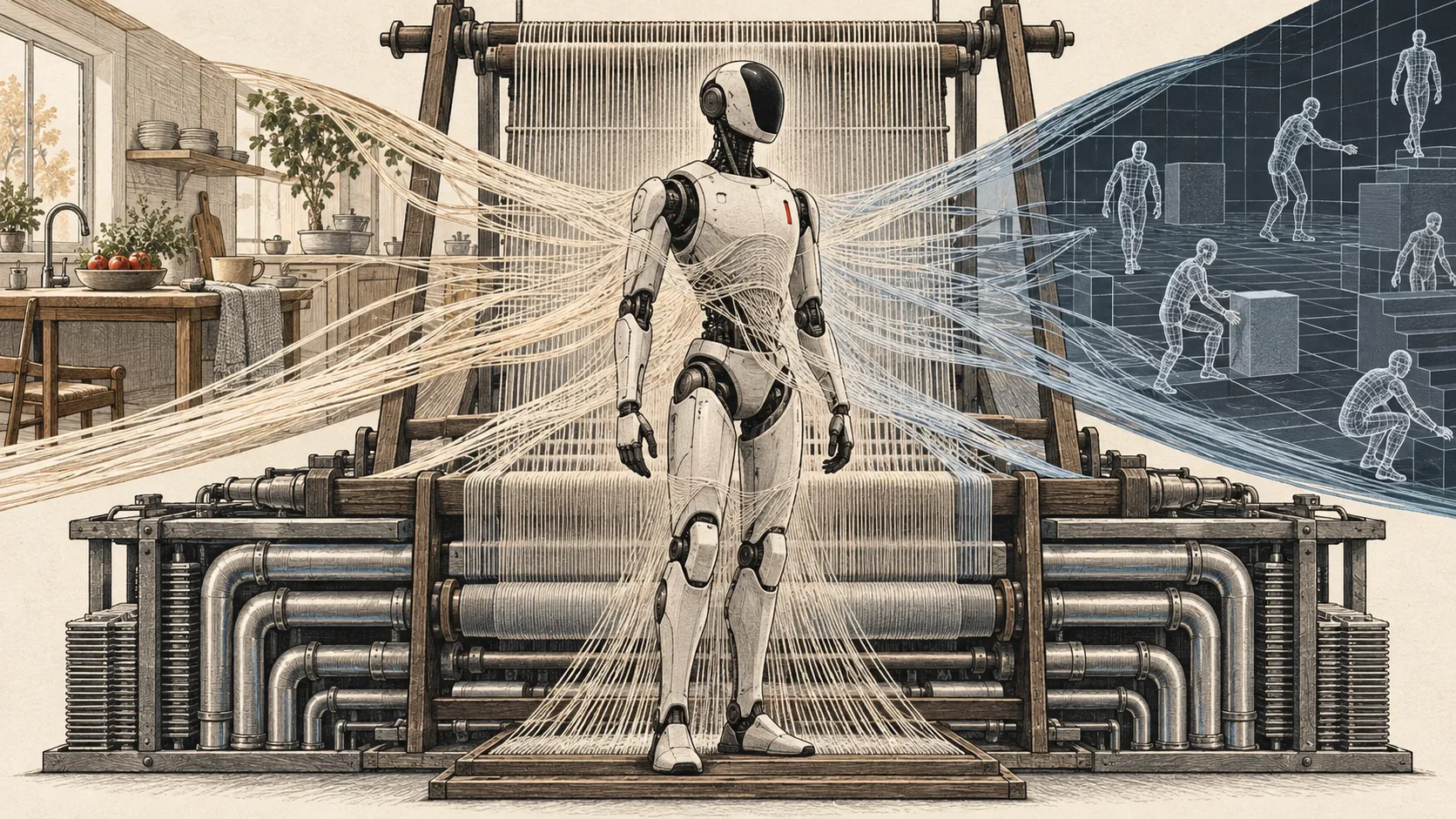
LG plans to fully open its LG Data Factory in Umyeon-dong, Seoul, in the fourth quarter of this year. The facility simulates real settings, including homes and factories, to collect robot training data and improve AI models. LG is working with Nvidia across physical AI technologies, including simulation, world models (models that represent how environments change), and robot development platforms. The companies aim to accumulate about 500,000 hours of robot training data this year by combining data gathered in real environments with virtual data.
LG is also preparing production capacity for actuators, components that create movement in machines. It built a pilot actuator production line in Changwon in the first half of this year and is preparing for mass production by automating equipment and strengthening quality competitiveness. It is also pursuing orders from global customers.
Cumulative orders for LG’s AI data center cooling solutions exceeded 3 trillion won through the third quarter, up from about 600 billion won in the first half. LG plans to invest about 220 billion won to expand production facilities in Virginia in the United States and in Pyeongtaek and Changwon in South Korea. It plans to broaden its products beyond chillers to liquid-cooling equipment such as coolant distribution units (CDUs), and eventually offer integrated services covering cooling system design, control, and maintenance to improve profitability.
LG’s vehicle components business is expanding from in-vehicle infotainment (IVI) into high-performance computing (HPC) related to autonomous driving and advanced driver assistance systems (ADAS). On shareholder returns, the company said it would cancel all about 730,000 shares it bought back this year within the fourth quarter. It also said it would pursue shareholder value initiatives in 2027, including an additional 100 billion won in shareholder returns. According to reports, LG reaffirmed these plans during the earnings call.
In robotics, LG is working on data collection and mass-production preparations for components while planning to expand production for its data center cooling business in response to rising orders. The earnings call disclosed the planned timing for entering home robotics, the data target, and cooling business figures. LG identified an affordable price for home robots as a key factor in expanding the market.
The Data Factory is scheduled to begin full operations in the fourth quarter of this year, and the robot training data target is about 500,000 cumulative hours by year-end. The actuator pilot line was built in the first half of this year, and preparations for mass production are underway. Cooling solution orders exceeded 3 trillion won through the third quarter, and LG plans to invest about 220 billion won to expand production facilities.