Medicare Life Tests AI Image Fraud Detection
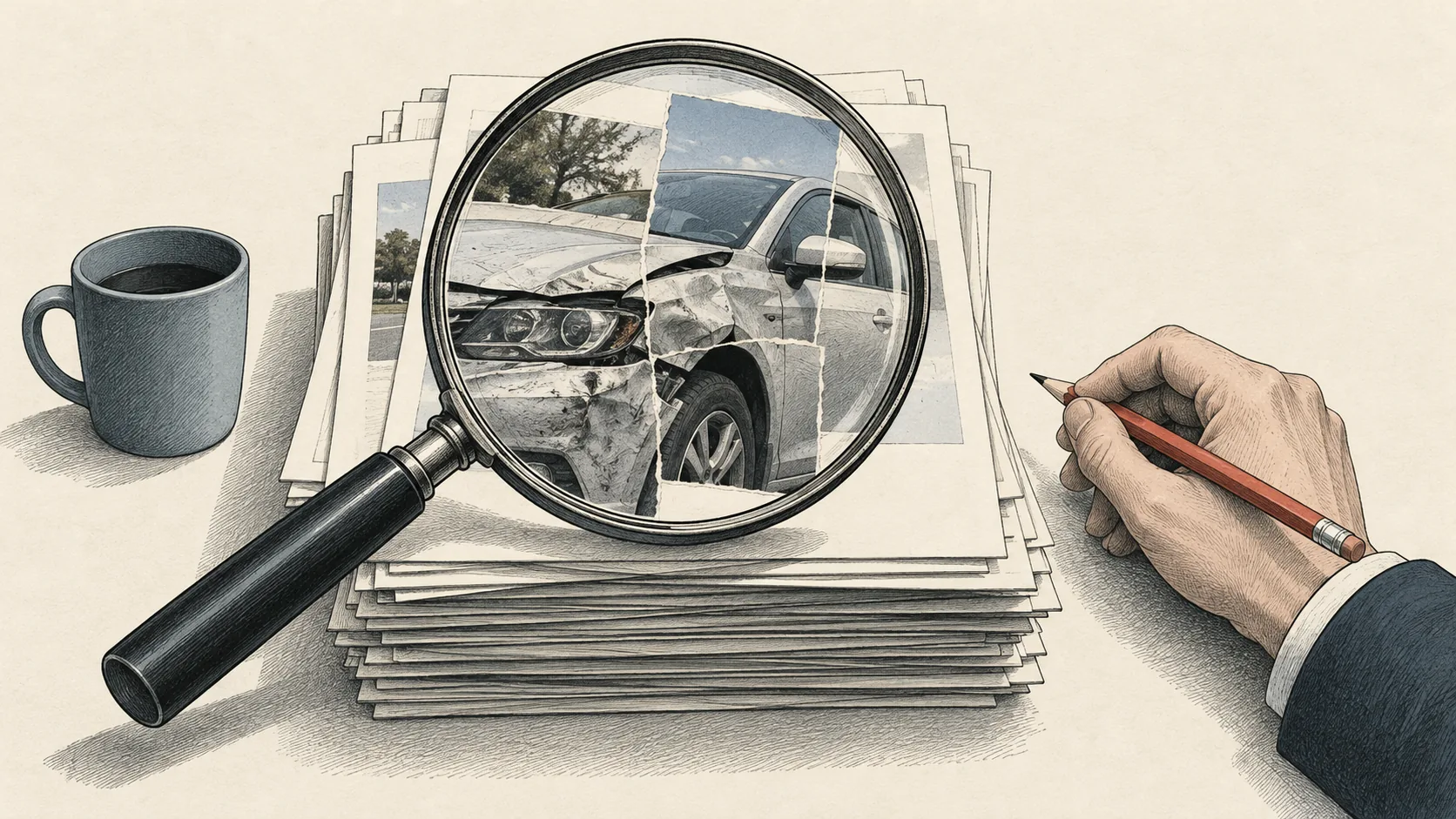
- •Medicare Life begins a trial to detect potentially fraudulent insurance claims.
- •The system checks claim document images for signs of generative AI editing or alteration.
- •It aims to flag suspicious cases for staff review, easing workloads and improving detection accuracy.
Medicare Life Insurance has begun a trial to detect potentially fraudulent insurance claims by analyzing images of claim documents, including medical certificates and receipts. Finatext, which is conducting the trial jointly with the insurer, announced it on October 14, 2026. The system examines traces of generative AI in images to assess whether documents may have been edited or altered.
Medicare Life has previously used AI in claims assessment. In September 2025, it ran a trial in which AI read claim documents, assessed whether benefits should be paid, and calculated benefit amounts. That trial recorded an assessment accuracy rate of at least 90%. AI-OCR (technology that reads text from images) achieved about 90% accuracy on evidence images such as medical certificates and itemized medical bills.
The current trial analyzes images of medical certificates, receipts, and itemized medical bills for signs of generative AI that may indicate editing or alteration. The companies have not disclosed the analysis methods, citing the risk of misuse for insurance fraud. AI will not make final decisions on whether claims are fraudulent; the goal is to efficiently flag cases for claims assessors to review.
The trial aims to reduce the review burden on claims assessors and improve detection accuracy. As generative AI and image-editing technology advance, methods for altering medical certificates and receipts are becoming more sophisticated, and some cases are harder to identify by visual inspection. Insurers need to maintain prompt payment of legitimate claims while identifying fraudulent claims and warning signs. The announcement did not specify numerical targets, the trial period, or detection results. The accuracy figures from September 2025 apply to that earlier trial and do not indicate the accuracy of the current fraud-detection trial. The start date and completion date of the current trial were not stated.