Compare AIFind AIAI NewsAI How-To
About Us
PrivacyTermsFAQContactContact
AIB Inc.Company info
© 2026 AIB Inc.

Michigan Water Utility Uses AI for Asset Management
Michigan Water Utility Uses AI for Asset Management

GovTech AI·Thursday, October 8, 2026
  • •Michigan’s GCDC-WWS uses AI to analyze utility data and inform water asset improvement recommendations
  • •Grant application work that typically took almost a week was completed in an afternoon with AI assistance
  • •MentorAPM integrates field photos into assessments, cutting some timelines from months to days
  • •Michigan’s GCDC-WWS uses AI to analyze utility data and inform water asset improvement recommendations
  • •Grant application work that typically took almost a week was completed in an afternoon with AI assistance
  • •MentorAPM integrates field photos into assessments, cutting some timelines from months to days
  • •Michigan’s GCDC-WWS uses AI to analyze utility data and inform water asset improvement recommendations
  • •Grant application work that typically took almost a week was completed in an afternoon with AI assistance
  • •MentorAPM integrates field photos into assessments, cutting some timelines from months to days
  • •Michigan’s GCDC-WWS uses AI to analyze utility data and inform water asset improvement recommendations
  • •Grant application work that typically took almost a week was completed in an afternoon with AI assistance
  • •MentorAPM integrates field photos into assessments, cutting some timelines from months to days

Genesee County Drain Commissioner’s Division of Water and Waste Services (GCDC-WWS) in Michigan is using AI to analyze utility data and support asset management, according to assistant director of water Terry Biederman. The utility is also working with Fontus Blue to use AI to optimize water quality while meeting requirements from the federal Environmental Protection Agency and the Michigan Department of Environment, Great Lakes and Energy.

GCDC-WWS draws information from systems including supervisory control and data acquisition and computerized maintenance management. Biederman said staff use tools such as ChatGPT to get answers faster and identify trends, helping officials make recommendations about future asset improvements. The information can also show whether the division is meeting requirements or needs improvements, supporting its case for work and investment. Biederman said he completed a recent grant application in an afternoon, a process that would normally have taken almost a week. AI can also turn grant requirements into a checklist of tasks.

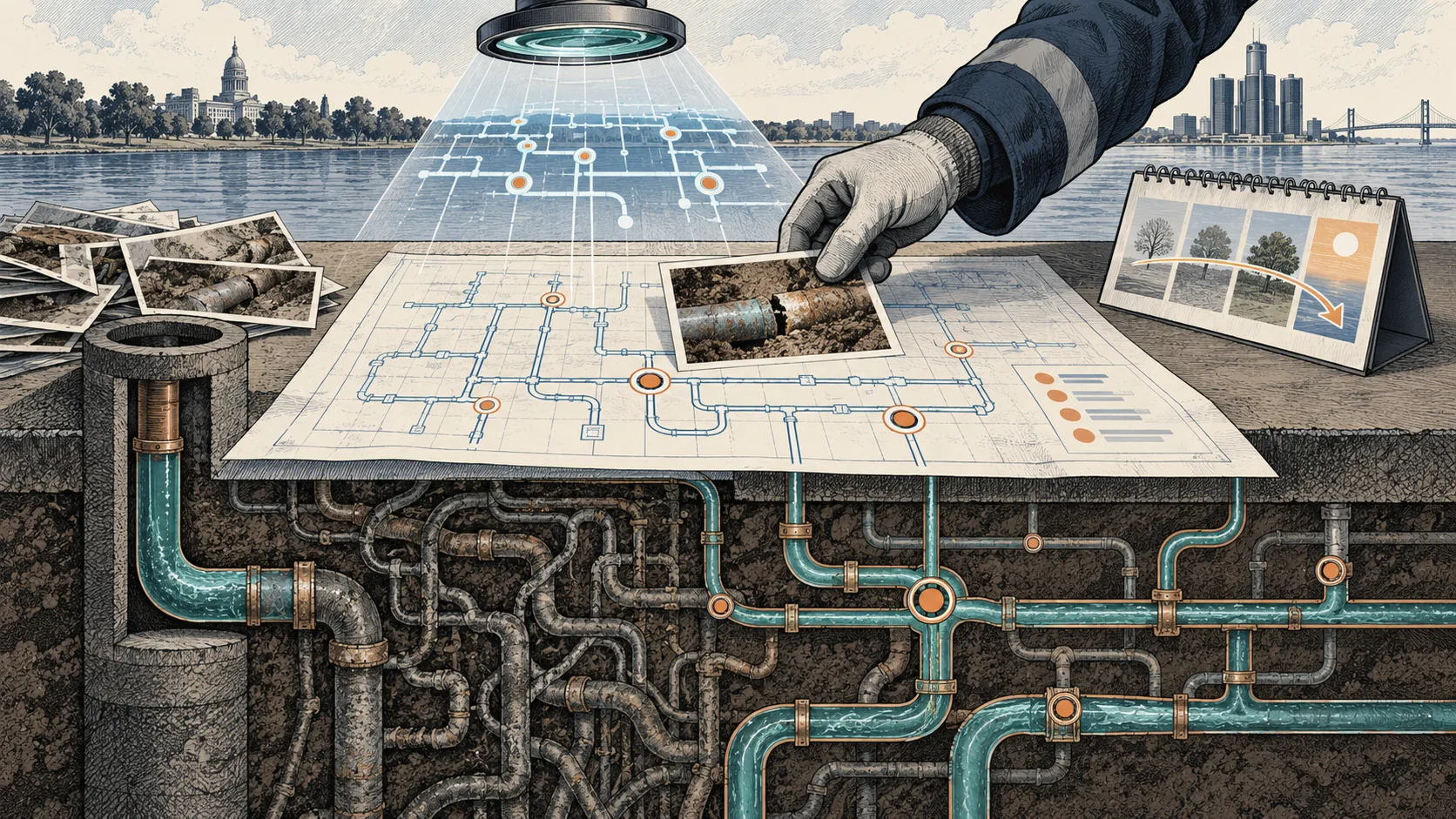
The division is using MentorAPM, built on geographic information system technology, to maintain a current view of assets and their condition. Field workers can take equipment photos that are integrated into the platform to produce condition assessments; work orders can be generated automatically when an assessment identifies a problem. Biederman said an assessment that previously took months can now be completed in days.

CDM Smith asset management leader John Helwig said aging utility workforces risk losing institutional knowledge through retirements, while older systems may lack information needed for planning and proactive maintenance. Newer platforms can make data easier to access and connect customer complaints with work orders to track resolution. They can also support a shift from time-based maintenance, such as changing oil every six months, to predictive maintenance.

Helwig said AI paired with high-quality, timely data can help utilities infer equipment condition and plan ahead for failures. AI-enabled assessments can help utilities with limited resources update condition records more efficiently and cost-effectively. Asset condition is typically rated on a scale of one to five, and assessments can inform repair or replacement cost estimates and help officials justify investment. Helwig said agencies moving to modern platforms should prepare data, train staff and obtain certifications.

Genesee County Drain Commissioner’s Division of Water and Waste Services (GCDC-WWS) in Michigan is using AI to analyze utility data and support asset management, according to assistant director of water Terry Biederman. The utility is also working with Fontus Blue to use AI to optimize water quality while meeting requirements from the federal Environmental Protection Agency and the Michigan Department of Environment, Great Lakes and Energy.

GCDC-WWS draws information from systems including supervisory control and data acquisition and computerized maintenance management. Biederman said staff use tools such as ChatGPT to get answers faster and identify trends, helping officials make recommendations about future asset improvements. The information can also show whether the division is meeting requirements or needs improvements, supporting its case for work and investment. Biederman said he completed a recent grant application in an afternoon, a process that would normally have taken almost a week. AI can also turn grant requirements into a checklist of tasks.

The division is using MentorAPM, built on geographic information system technology, to maintain a current view of assets and their condition. Field workers can take equipment photos that are integrated into the platform to produce condition assessments; work orders can be generated automatically when an assessment identifies a problem. Biederman said an assessment that previously took months can now be completed in days.

CDM Smith asset management leader John Helwig said aging utility workforces risk losing institutional knowledge through retirements, while older systems may lack information needed for planning and proactive maintenance. Newer platforms can make data easier to access and connect customer complaints with work orders to track resolution. They can also support a shift from time-based maintenance, such as changing oil every six months, to predictive maintenance.

Helwig said AI paired with high-quality, timely data can help utilities infer equipment condition and plan ahead for failures. AI-enabled assessments can help utilities with limited resources update condition records more efficiently and cost-effectively. Asset condition is typically rated on a scale of one to five, and assessments can inform repair or replacement cost estimates and help officials justify investment. Helwig said agencies moving to modern platforms should prepare data, train staff and obtain certifications.

Read original (English)·Oct 7, 2026
Policy#genesee county#water utilities#asset management#predictive maintenance#mentorapm#fontus blue#grant applications#condition assessments