Midterm Results Raise AI Policy Questions
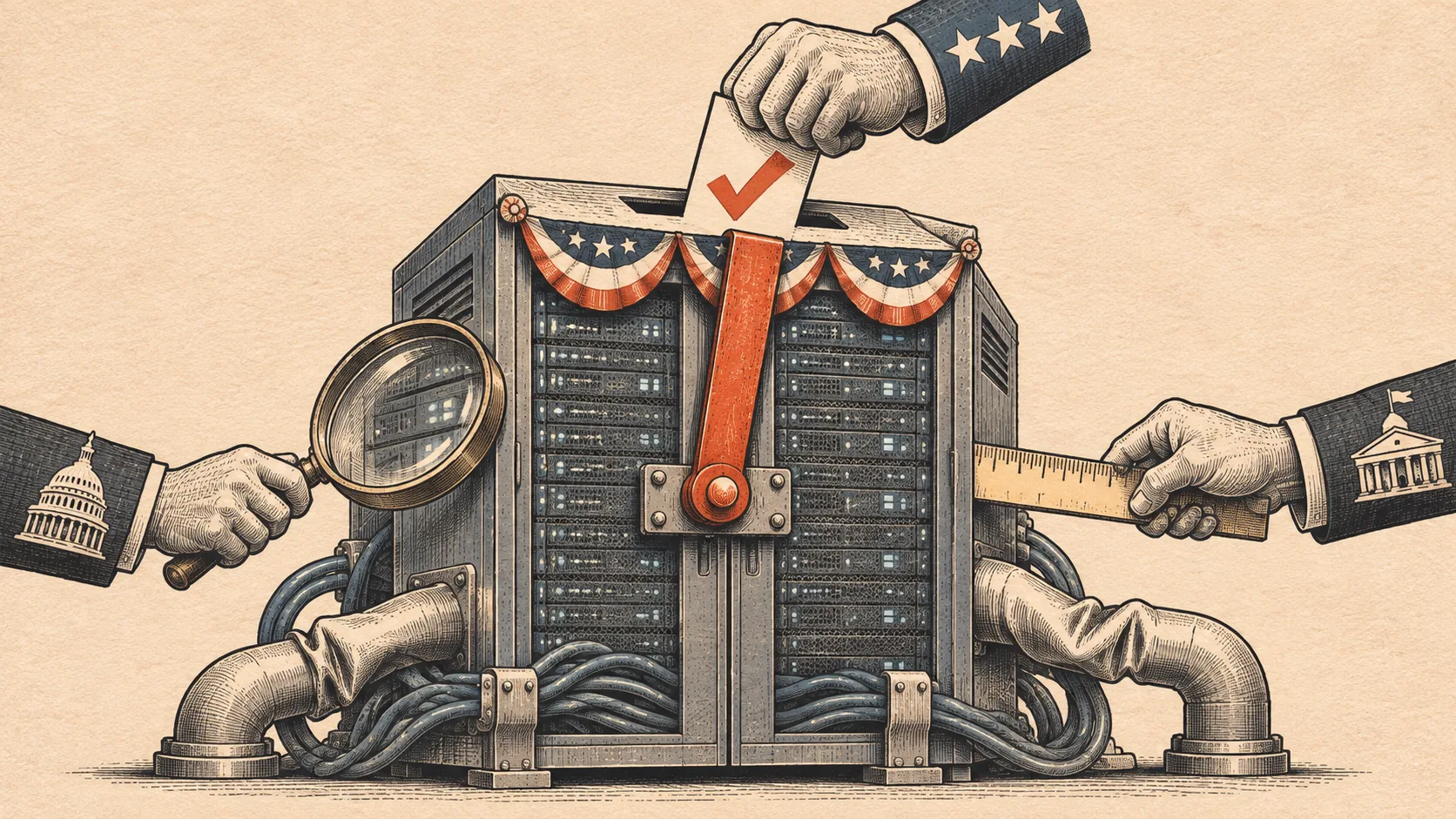
- •Democrats swept the House and Senate as voters rejected data centers in 40 of 41 midterm ballot measures
- •Analysts say election results could increase AI oversight, state enforcement efforts and congressional investigations
- •Nearly one-third of expected 2028 data center additions are at risk, UBS said
Democrats swept both chambers of Congress in the November 3 midterm elections, where voters rejected data centers in 40 of 41 ballot measures. The results could bring greater scrutiny of AI policy and data center growth, while President Donald Trump remains in office with veto authority. Market strategist Shay Boloor said the immediate question is what legislation can pass under divided government.
A sweeping federal AI law is not certain, but a change in party control usually changes priorities, said Stephen Cobb, a Foley & Lardner partner who leads the firm’s State Attorneys General practice. He said the election could create an opportunity for progress and increase multistate tech policy efforts. State attorneys general have been rolling out AI laws for years, and the private sector is positioning itself in response. The new Congress could also increase committee investigations, Cobb said, with state attorneys general watching.
Companies already facing lawsuits or investigations will not see their legal position changed by the new Congress, according to Cobb. OpenAI released its Frontier Governance Framework in May, describing its safety and security practices, and said it planned to align with emerging state and global rules such as the EU AI Act. Earlier this year, Trump introduced an executive order for voluntary federal review of frontier AI models; the industry remains unregulated, and businesses largely set their own AI governance and deployment terms.
Data center construction may slow or face more regulation, shifting more costs and building pressure to companies, Boloor said. The article reports global AI spending is forecast to reach $2.7 trillion this year, up nearly 50% from last year; Gartner identified data center spending as the fastest-growing IT spending segment. Texas, which has about one-quarter of planned U.S. data center capacity, elected a Democratic governor and senator. Governor-elect Gina Hinojosa has called for pausing new development until safeguards are established, including more community control, ending certain tax incentives and requiring developers to cover more project costs. Boloor said such changes could make projects more expensive and slower, but would not end AI infrastructure construction in Texas.
UBS said nearly one-third of expected data center additions for 2028 are at risk of being affected. A moratorium on unbuilt projects and tighter grid rules could favor companies able to secure their own power, Boloor said. He added that requiring projects to fund interconnection infrastructure or provide dedicated behind-the-meter power generation could benefit power developers and suppliers.