MIT Team Improves Two-to-Six-Week Weather Forecasts
- •MIT team reports a machine-learning correction that improves weather forecasts two to six weeks ahead
- •The correction doubled forecast accuracy and beat long-term climate averages in a competition
- •The model also improved extreme-weather predictions and can run without a supercomputer
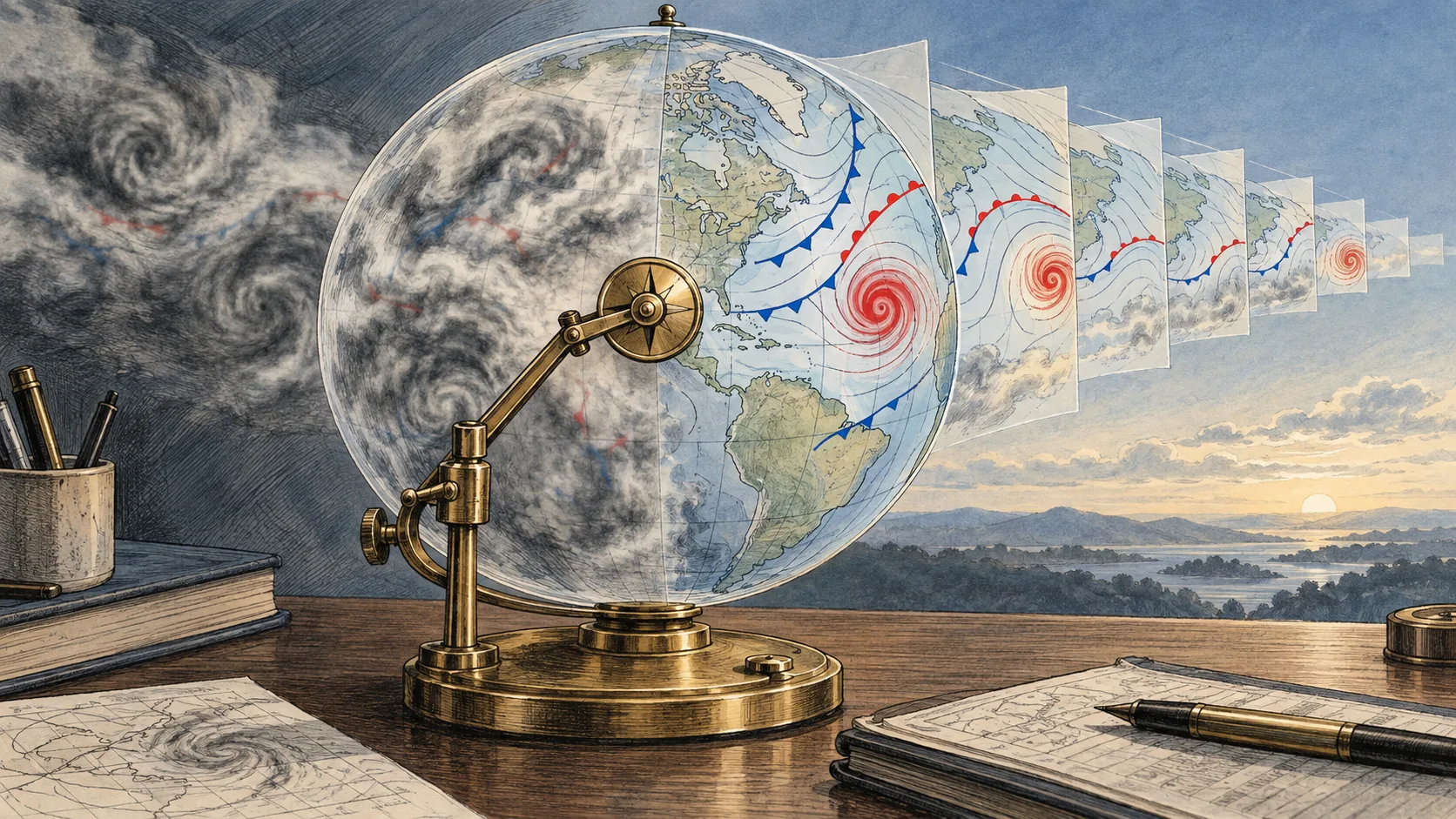
A team including MIT researchers developed a machine-learning model that corrects errors in existing weather forecasts, improving predictions two to six weeks ahead. Applied to a leading forecasting model, the correction doubled accuracy over that period, won an international competition, and produced forecasts that beat long-term climate averages for the first time. The team reported the results in a paper published in Nature.
The approach also improved forecasts of extreme weather, including flooding and cold spells, with a statistically significant gain in predicting such events. The researchers said the method improves land forecasts in most regions globally and can be added to other forecasting models, including ones already corrected with another AI algorithm. They described it as open source and low cost.
Weather predictions beyond two weeks have often been unreliable, limiting preparation time for energy operators, farmers and emergency responders. The article cites Texas’s 2021 winter storms, which caused the state’s worst energy infrastructure failure and killed at least 246 people amid shortages of food, water, heat and electricity. Co-author Judah Cohen said two weeks of warning could give energy officials time to prepare for an ice storm.
The model learns from historical forecasting errors and adjusts predictions as more forecasts and data become available. The team built it using MIT Engaging, a supercomputing cluster, but said the finished model does not need a supercomputer to run. The researchers submitted three versions with the correction layer to competitions held by the European Center for Medium-Range Weather Forecasts; the first-place entry combined that center’s model with another forecasting model before applying the correction.
The team said the model could also help with agricultural decisions such as when to fertilize around rain, protect crops from freezes or prepare for drought. The meteorological office of the Republic of Kenya has contacted the researchers about using it to improve forecasts for the annual monsoon season and agricultural yields this winter. The work received support from the U.S. National Science Foundation, the Carlos Chagas Filho Foundation for Research Support and the European Union.