NetApp Unveils Novus Storage for AI Factories
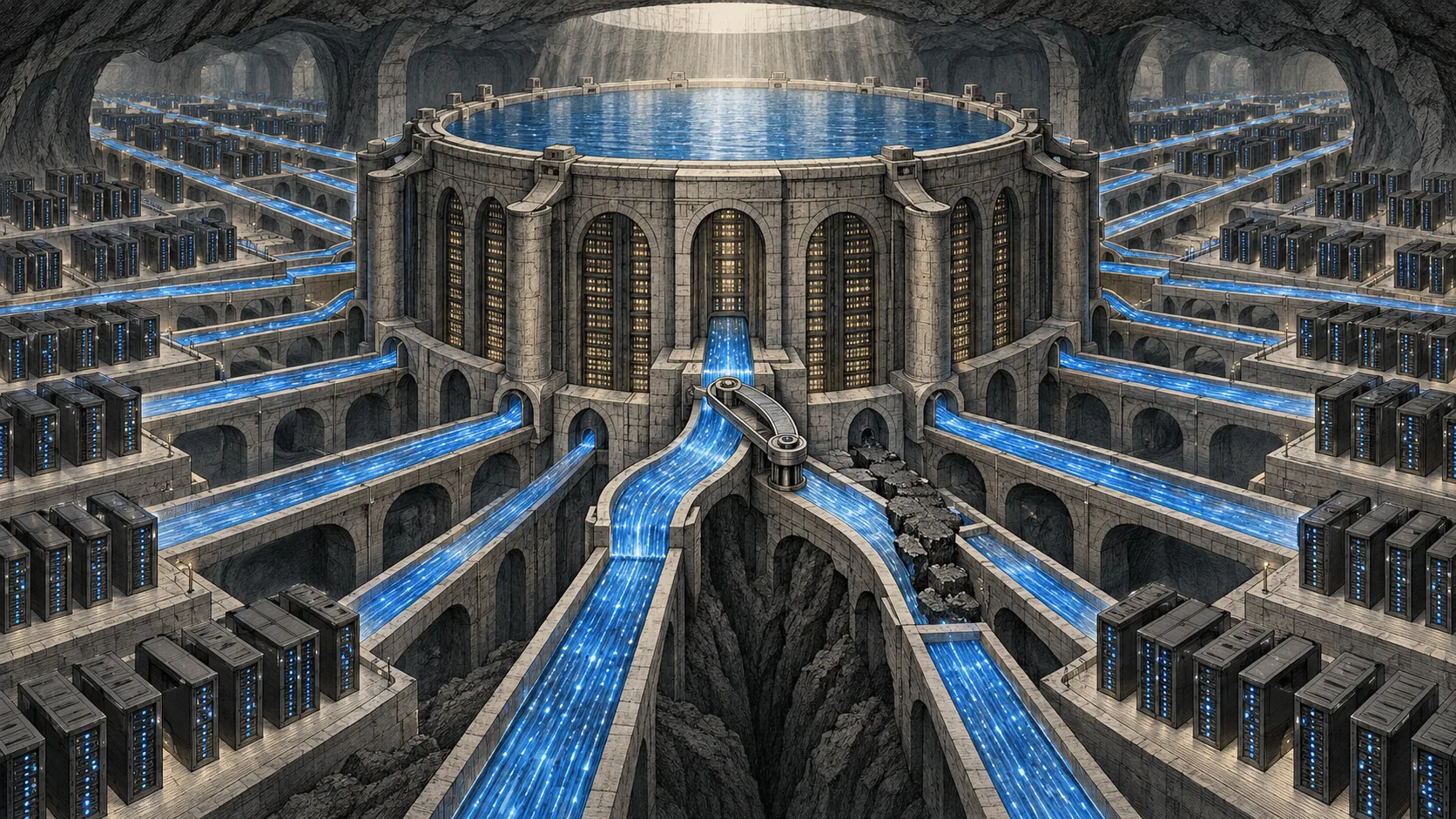
- •NetApp unveiled Novus for AI factories, designed to support zettabyte-scale file systems in a single namespace.
- •The system is designed for throughput above 100 terabytes per second and parallel data delivery to hundreds of thousands of GPUs.
- •Zero-copy data tools and Commvault recovery integration aim to cut recovery from days or weeks to minutes.
NetApp Korea unveiled its Novus storage architecture for AI factories at a press briefing on the 14th. NetApp said Novus is designed to support zettabyte-scale file systems in a single namespace and deliver throughput above 100 terabytes per second. It is built to supply data even when hundreds of thousands of GPUs access files at once. The architecture separates metadata paths from data paths so performance, capacity and concurrency can scale independently. NetApp said it aims to raise GPU utilization and improve cost efficiency per token.
The initial Novus version combines NetApp Novus Data Director metadata software, running on validated Supermicro infrastructure, with NetApp ONTAP data services based on AFF A90. After Data Director identifies metadata such as file locations, data is delivered to GPUs in parallel. Novus uses pNFS, a protocol that parallelizes network file access, so clients do not need individual agents installed. It is designed to manage billions of files and large datasets within one namespace. The system supports multitenant isolation and ONTAP data protection, and is available on standard x86 architecture. NetApp is taking orders and plans to offer Novus later as software-defined storage.
NetApp also announced hybrid multicloud capabilities for consistent management of on-premises systems and public clouds. NetApp Keystone Sovereign strengthens regional controls over data residency and operational access; eligible European Economic Area (EEA) customers can use regional compliance features. NetApp Console Autonomous Operations provides AI-based automation and agentic AI orchestration under human supervision, including in air-gapped environments. NetApp Console Fleet Management is a console model installed directly in customer environments, offering management of the full IT estate, observability and AI capabilities. A ChatOps interface supports storage operations across ONTAP, policy-based provisioning, reporting, predictive analytics and troubleshooting. Customers can connect their own large language models (LLMs) within defined storage policies and governance. NetApp said it plans a general release this fall of virtualization combining NetApp ONTAP and Nutanix Cloud Infrastructure.
NetApp unveiled capabilities to support enterprise adoption of agentic AI through a zero-copy approach, which uses data at its original location without copying or moving it. NetApp AI Data Engine explores metadata across NFS, SMB and S3 environments, including NetApp ONTAP, StorageGRID and third-party storage, and helps make data available to AI under security and governance controls. NetApp plans to add AI-based data understanding, deeper governance analysis and connections to analytics engines such as Starburst and Onehouse AI.
The joint NetApp and Commvault solution connects near-real-time threat detection, deep scanning, cleanroom validation in isolated environments and recovery through the Commvault console. The companies said threat signals are linked to recovery workflows to restore data without reinfection, reducing recovery that had taken days or weeks to minutes. Jaesung Yoo, head of NetApp Korea, cited data gravity, security and governance as barriers to returns on corporate AI investment, and said data is the biggest challenge. He said NetApp’s unified operational visibility and zero-copy approach help GPU utilization and reduce data-preparation time. NetApp said it is expanding its Commvault integration and helping customers apply protection and governance where data is created and managed so it can be used for AI.