OpenAI and Mazda Study AI-Assisted Vehicle Design
- •OpenAI began a joint research project with Mazda on AI-assisted vehicle design.
- •Using GPT-6 Astra in Codex, the teams will generate front-end designs and select options that may reduce drag.
- •OpenAI is expanding work with Chip Ganassi Racing to create drawings from parts without original design data.
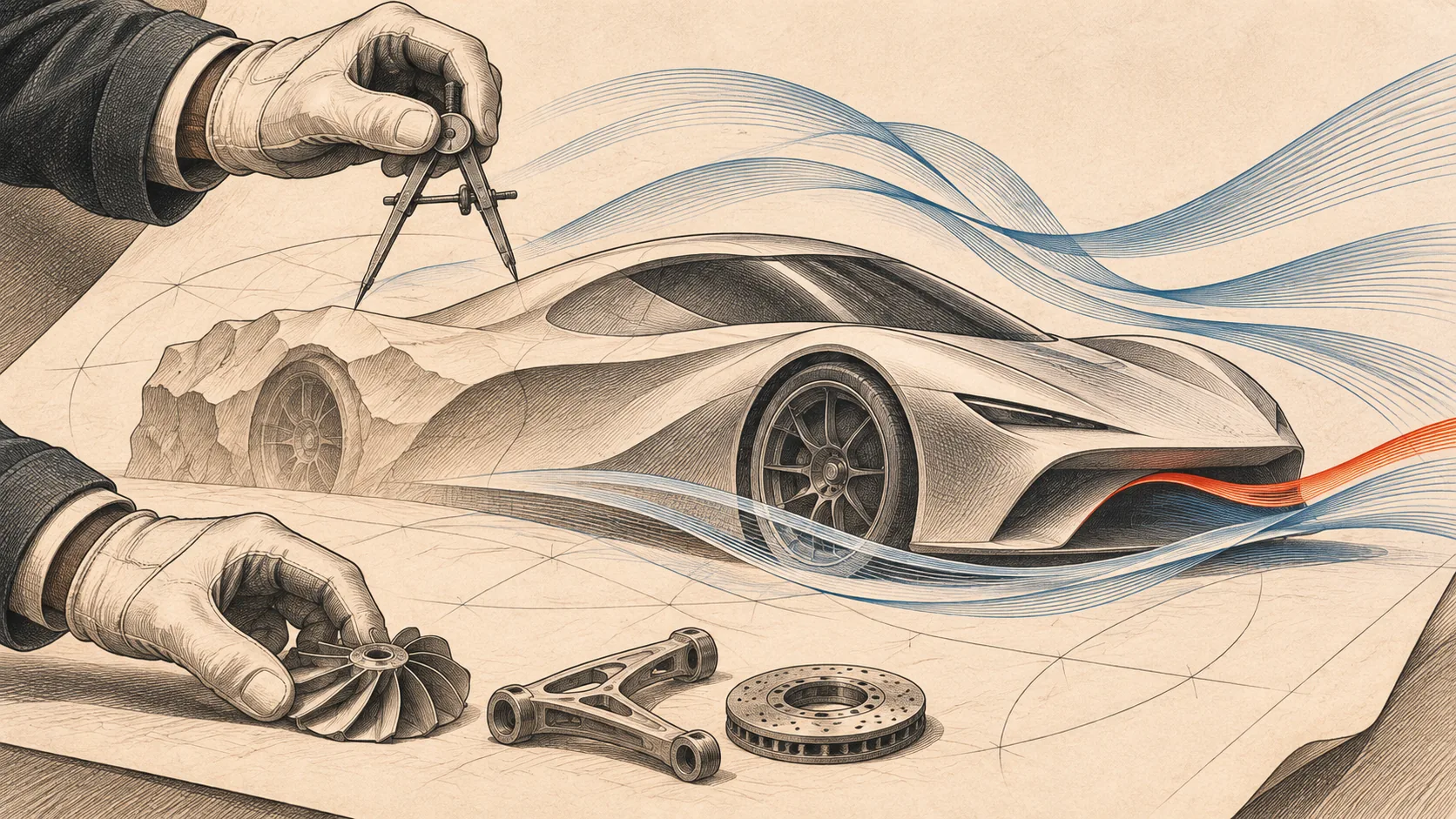
OpenAI announced on November 4, 2026, that it had begun joint research with Mazda on AI-assisted vehicle design. The teams will work with Mazda engineers specializing in aerodynamics and crash safety to simulate airflow around vehicles and the behavior of vehicle structures. They will seek designs that improve vehicle performance while also considering appearance and cost.
For aerodynamic design, the teams will use GPT-6 Astra in Codex to generate several versions of a vehicle’s front end. They will analyze airflow and narrow the options to designs expected to reduce drag. OpenAI plans to publish updates and results from the research over the coming months.
OpenAI is also expanding its collaboration with U.S. racing team Chip Ganassi Racing. The teams will test a method for turning 3D scans of existing parts into editable CAD models and 2D manufacturing drawings. The method is intended for parts whose original design data is unavailable; the racing team’s engineers will check the accuracy of the models and drawings and whether the parts can be manufactured.
OpenAI also showed a prototype device designed with GPT-6 Astra that can communicate with Codex by voice. Two employees designed it in less than one week, and a contract manufacturer produced a small batch in less than one month. AI handled the enclosure and printed circuit board design, component selection, and firmware creation. OpenAI said multiple reviews and revisions were needed to account for manufacturing constraints, dimensional tolerances, and assembly requirements.