Panasonic Connect Adds AI Patrols to Cameleo
- •Panasonic Connect plans to add generative AI patrols to its Cameleo video service.
- •The feature analyzes site images at intervals as short as 10 minutes and emails alerts with images.
- •A trial at three convenience stores detected stockouts at 9 a.m., allowing extra orders before the 10 a.m. deadline.
Panasonic Connect Group announced on October 6, 2026, that it will add “AI Periodic Patrols” to Cameleo, its service for using on-site video. Generative AI will regularly check camera images and report changing conditions or issues that need attention in text and images. The feature is scheduled to launch in December 2026, while trials are assessing its effectiveness and practicality.
Cameleo records footage from on-site cameras in the cloud and lets users monitor it remotely from computers, smartphones, and tablets. It also offers an API (a software connection for sharing data between systems) so stored data can be used by external systems and SaaS (online software delivered as a service).
Users set what they want checked through written instructions, or prompts, and generative AI analyzes still images at regular intervals. Templates are available for some uses. Users can also provide a reference image so the AI can judge whether a scene matches the intended state. Panasonic expects the feature to support routine site checks such as cleaning and sales-floor reviews, equipment inspections, and river safety monitoring.
Patrols can run as often as every 10 minutes. Each run creates a still image for analysis, and users can restrict operation to particular days or times. When the system detects an anomaly or something requiring review, it can email an alert with the image used for its assessment, allowing managers to check conditions without visiting the site.
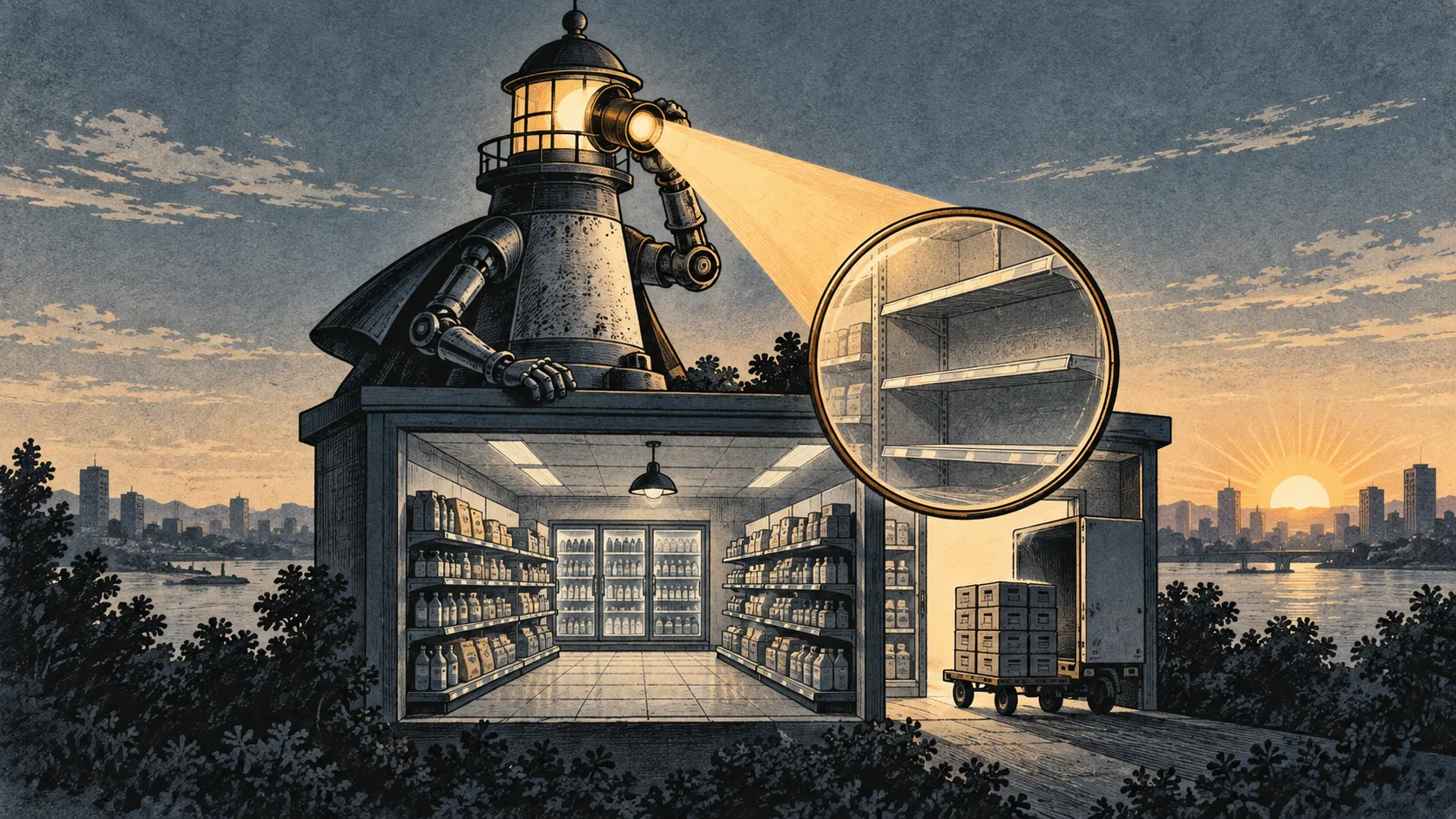
Since 2025, Panasonic Connect Group has been testing the feature on sales floors at three convenience stores. Based on configured instructions, it detects out-of-stock priority products, insufficient display quantities, and missing or disordered promotional materials, then automatically identifies sales floors needing improvement. Automating image capture and analysis has helped staff identify which stores and areas to check first, reducing preparation before store visits and the time spent reviewing footage. Images and analysis results have also enabled specific improvement guidance.
The trial has also enabled staff to identify stockouts when they occur and instruct store managers, instead of learning about them during visits or through daily sales figures. For example, when a priority product with a 10 a.m. ordering deadline was found out of stock at 9 a.m., staff could tell the store manager to place an additional order before the cutoff. Panasonic says these effects have been confirmed in the ongoing trial.
The group expects the feature to be used in retail, facility management, and monitoring public infrastructure. Users can configure the patrol interval and operating days and hours, and receive image attachments by email when an anomaly is detected. The planned launch is December 2026; Panasonic Connect Group is continuing to assess the feature’s effectiveness and practicality through trials.