REA Uses AI Agents to Rebuild Software
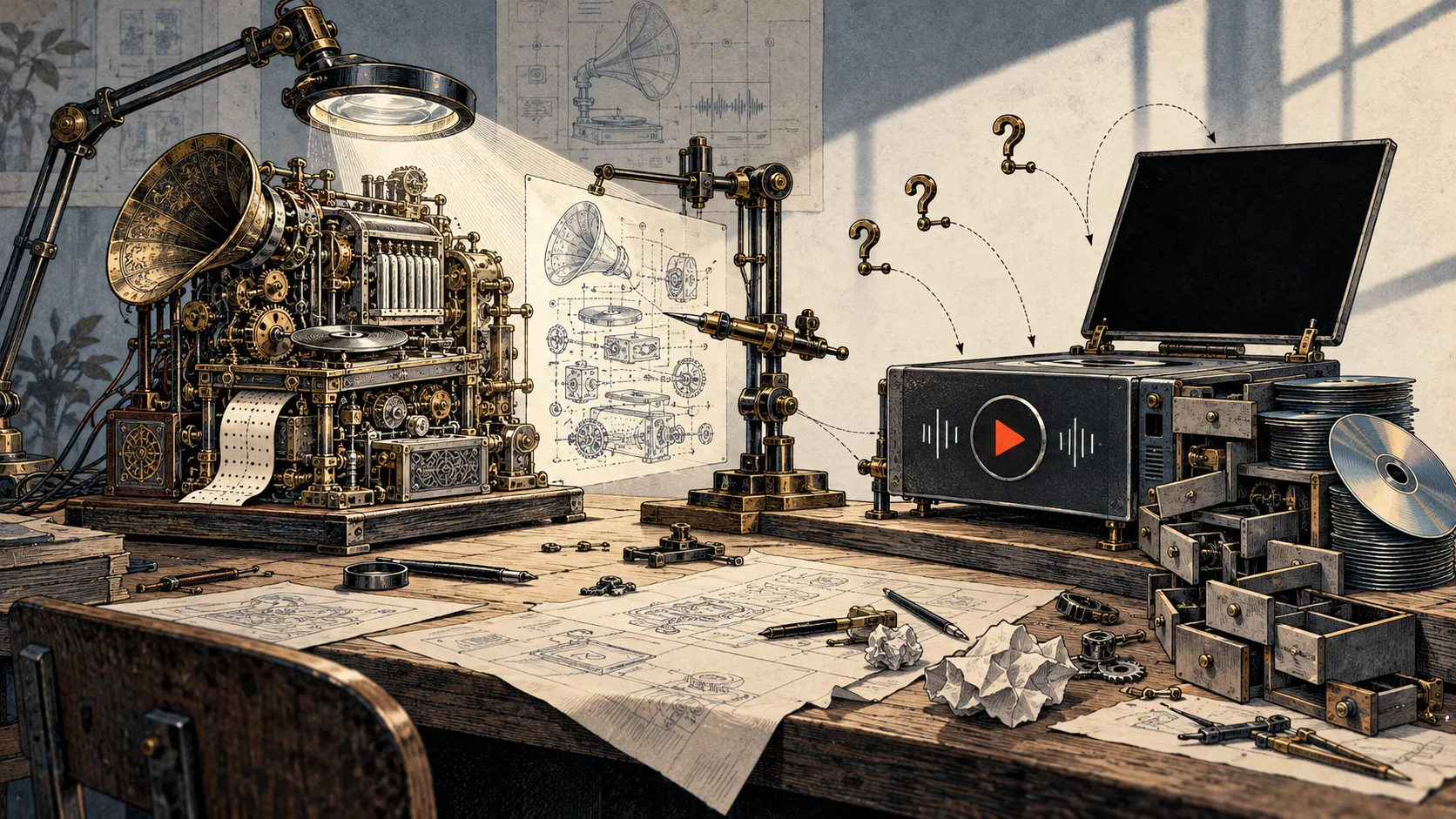
- •REA links AI coding agents with reverse-engineering tools to analyze software and rebuild its functions.
- •Notebookcheck’s test produced a VLC clone in 10 to 15 minutes after three follow-up questions.
- •The clone played MP3s and supported shortcuts, but lacked subfolders and showed a black fullscreen screen.
Open-source tool REA (Reverse Engineer Anything) connects AI coding agents such as Claude Code and Codex to reverse-engineering tools including Ghidra, Hopper and IDA through the Model Context Protocol (MCP), an open standard for connecting AI tools with external software. It analyzes software from natural-language instructions, even when source code is unavailable, then reconstructs readable code from the program’s functionality. The reconstructed code can help an agent build an independent implementation with similar functions, though REA cannot always recover the original source code exactly.
Notebookcheck tested REA with the free, ad-supported app Freebuff rather than Claude Code, which the writer considered too expensive. After instructing the agent to install REA, its dependencies, MCP and Ghidra, the writer asked it to recreate VLC Media Player. The agent asked three more questions and produced a clone in 10 to 15 minutes. It used Chromium rather than VLC’s libVLC engine, so some video formats would not work.
The clone played an MP3 dragged into its window, opened folders, and supported keyboard shortcuts for seeking and muting. It did not include subfolders when opening folders, and fullscreen mode showed a black screen. The writer said the equalizer, shortcuts and playlist also worked.
The article says REA lowers the technical barrier to reverse engineering, though users still need knowledge to install tools, operate them and check results. The writer also notes tutorials on YouTube and other platforms may help users get past some hurdles. Functionality rebuilt in new code can differ legally from copying protected source code, but the article cautions that not every copy is legal; it does not offer a legal test for when reconstruction is permitted.
The article argues that cheaper software recreation may intensify competition and reduce the value of exclusive code and features as advantages. It says usability, reliability, data, ecosystems, customer support, trust and ongoing development could become more important, while large corporations may have an advantage that puts further pressure on smaller developers. The writer presents this as a potential long-term challenge to software licensing: software was once bought as a copy, then increasingly licensed through subscriptions, and the ability to build or recreate apps could affect that model.