Researchers Present Sage-A1.5 Agentic Model
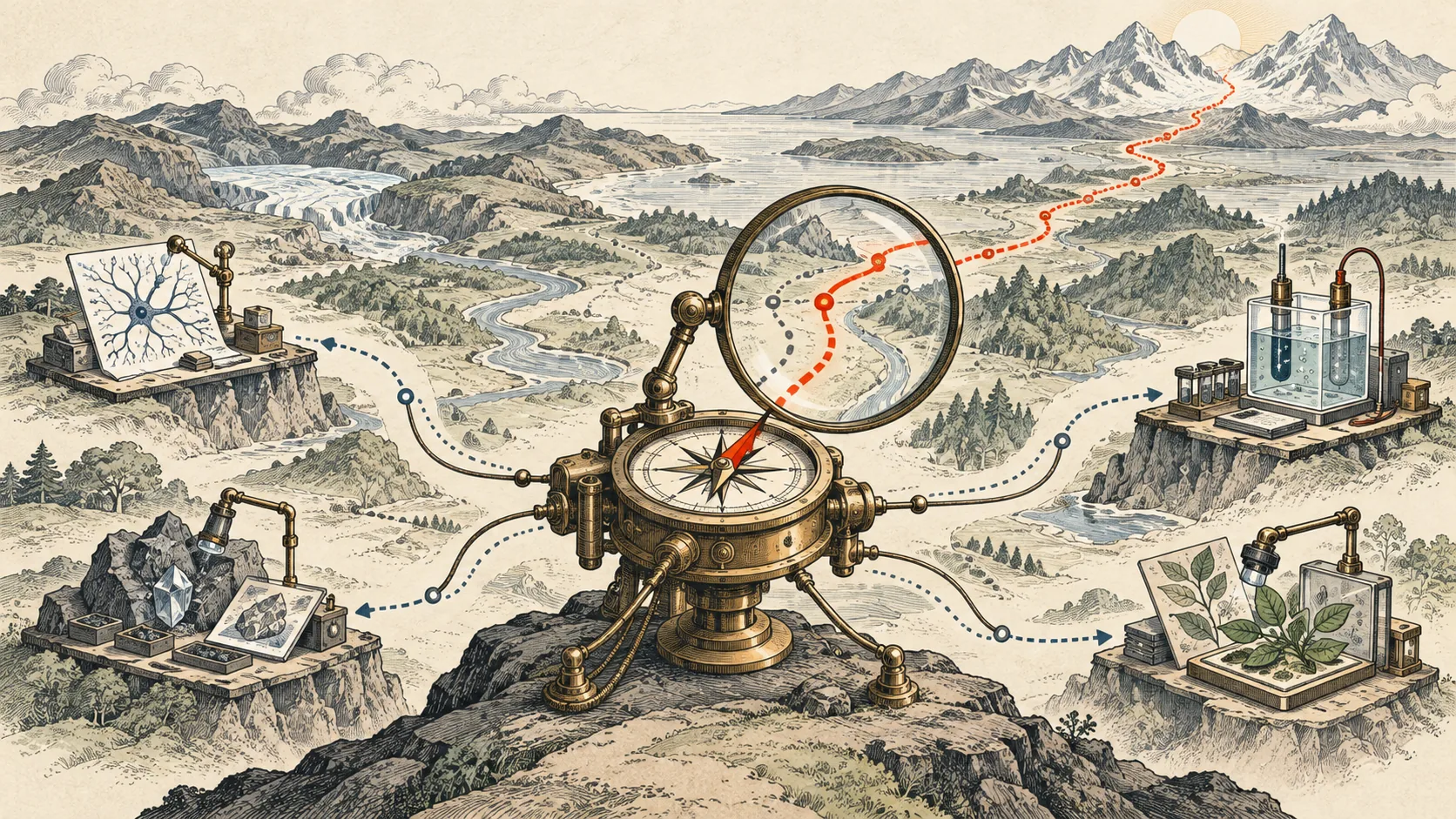
- •Shanghai AI Laboratory researchers present Sage-A1.5, a 35B mixture-of-experts model for long-horizon problem solving
- •The model delegates work to parallel subagents, checks evidence, and revises strategies during execution
- •Researchers showcase exploratory scientific work in neuroscience and electrochemistry, alongside complex agentic tasks
Shanghai AI Laboratory researchers introduced Sage-A1.5, a 35B-parameter mixture-of-experts agentic model, in a paper published on October 20 and submitted to Hugging Face on October 21. The model builds on A1 and is designed to improve long-horizon problem solving by composing capabilities during execution. The paper describes three areas of improvement: agent coordination, verification, and open scientific exploration.
Sage-A1.5 can delegate tasks to parallel subagents that work in isolated contexts, allowing complex tasks to be divided and handled concurrently while reducing interference. It also checks progress, validates evidence, and revises its strategy when a search path is unproductive. These capabilities are intended to make extended task execution more reliable, according to the paper.
The researchers present scientific exploration as a step beyond answering predefined questions: the model can conduct exploratory research through interactive analysis and produce inspectable research artifacts. They showcase it on complex agentic tasks and scientific applications across multiple disciplines. The project team says the model supports exploratory work in neuroscience and electrochemistry, with scientific feedback informing recursive self-improvement. The paper also positions Sage-A1.5 as an accessible foundation for collaborative, verifiable scientific exploration. The Hugging Face project page says the model is open source and offers limited free access.