Sherry Turkle Critiques Chatbot Intimacy
- •Sherry Turkle’s new book argues chatbot use can harm human development and social connection
- •An 8-year-old treats grandparents and ChatGPT as phone contacts, Turkle reports
- •Turkle urges readers to accept social friction and build capacity for human relationships
MIT professor Sherry Turkle published “Artificial Intimacy: Who We Become When We Talk to Machines” on September 29, 2026. Drawing on interviews and other research, she argues that chatbot use may feel like short-term relief but harms human development and social connection. Turkle, a sociologist and clinical psychologist, says people can mistake chatbots’ apparent empathy for real empathy and turn away from human relationships. A chatbot predicts the most plausible next text in a conversation from large amounts of data, she explains, but does not feel care or concern.
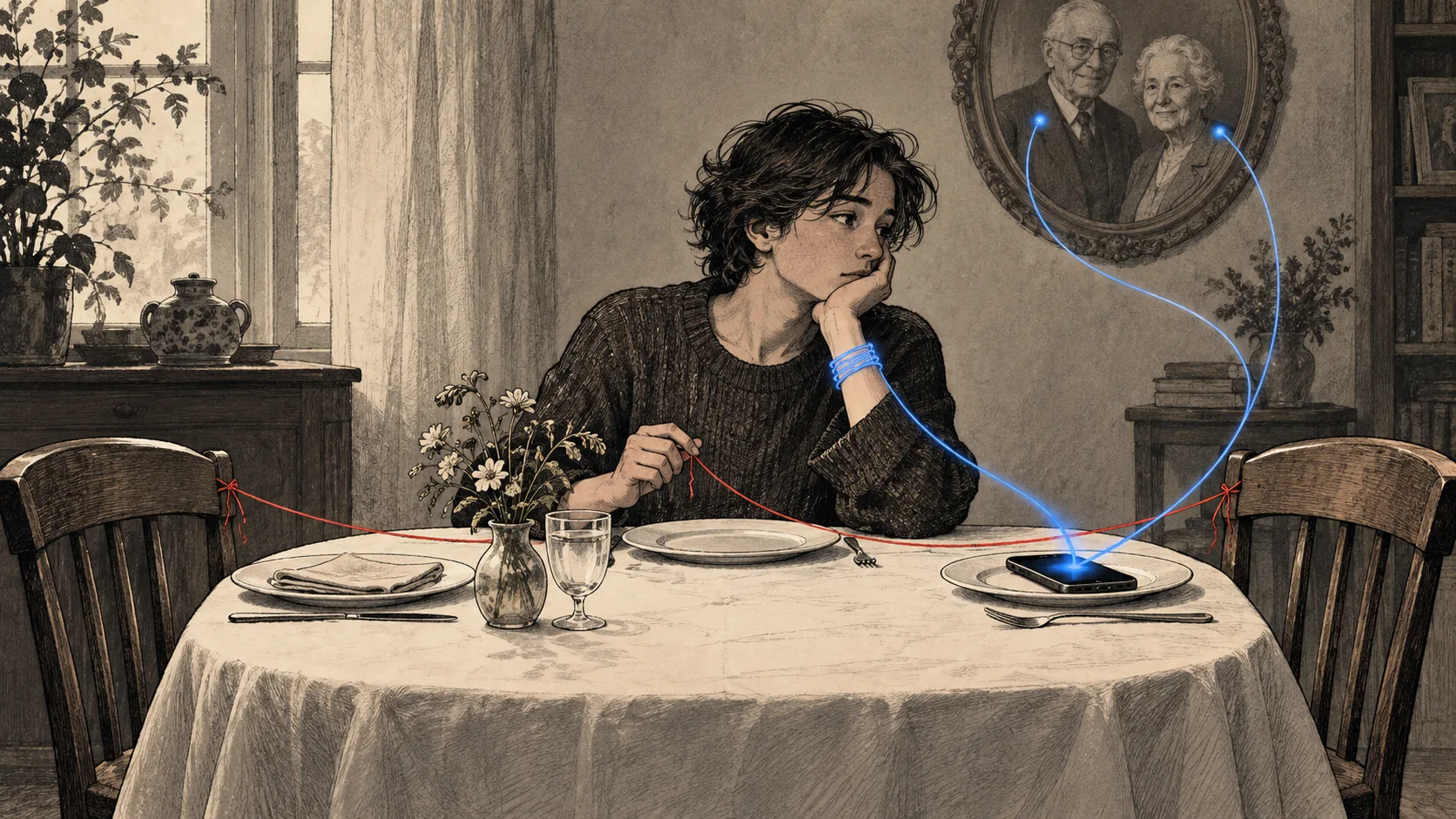
Turkle organizes the book around stages of life. In interviews with children, she found that some blur distinctions between people, chatbots, and devices: an 8-year-old treats grandparents and ChatGPT as “things you reach on your phone,” while a graduate student’s daughter thinks a bedtime-story chatbot is “a person in the phone.” Turkle argues that children need time alone to build imagination and inner resources, and says a device that lies without knowing it cannot teach trust or help children develop solitude and mutuality. She calls the developmental risks “existential.”
Turkle also describes adults who turn to chatbots during divorce or estrangement, for college application advice, or to complete work assignments. She says heavy use can leave people less interested in and less capable of human interaction, weaken their ability to think through new ideas and engage with real-world complexity, and reduce relational and workplace skills. In her view, creating chatbot versions of deceased relatives can also interfere with mourning. She says people are drawn to bots because they agree, affirm, and give undivided attention, while human relationships can involve demands and discomfort. Chatbots may also fill gaps in mental health care: Turkle cites a federal study saying only about half of people in the U.S. have access to a mental health care provider.
Turkle says social media may have reduced in-person friendships and interactions, and argues chatbots are now being offered to address problems technology helped create. She urges people to accept friction, stress, and tension as part of life and to build the capacity to handle social difficulties. She hopes her book contributes to a movement pushing back against chatbots, comparable to opposition to phones in schools or young people’s social media use. Journalist Nicholas Carr and psychologist Jonathan Haidt praised the book. Turkle says she wrote it for college and high school students, parents, and teachers, and warns that chatbot toys may affect young children’s capacity for attachment.