Studist Launches Teachme Knowledge
- •Studist announced Teachme Knowledge and its Teachme series concept, Connect, on October 6.
- •Users can submit videos, documents and reports without sorting them; AI summarizes and structures the material.
- •Japan’s working-age population is projected to decline by about 15% from 2025 to 2040.
Studist held an in-person and online event in Chiyoda, Tokyo, on October 6, 2026, announcing Teachme Knowledge and Connect, a new concept for its Teachme product series. The company outlined a strategy to use AI to turn experienced employees’ tacit knowledge (know-how that is difficult to put into words) into explicit knowledge and support continuous improvement through “lean operations.” It also described the new product’s functions.
Japan’s National Institute of Population and Social Security Research projects that the country’s working-age population will fall by about 15% between 2025 and 2040. In manufacturing, the number of younger workers aged 34 and under is also declining, while the numbers of workers aged 65 and over and foreign workers are increasing. Studist cited concerns about passing on skills as experienced employees retire, and the loss of tacit knowledge that has not been put into words on the job. The company has previously offered tools such as manual-creation software, but labor shortages and workplace changes have increased the need to prevent information from remaining with individuals and to share knowledge efficiently. CEO Satoshi Suzuki said conventional manual-creation tools alone cannot ensure skills transfer; companies also need to pass on workplace techniques and skills, alongside procedures.
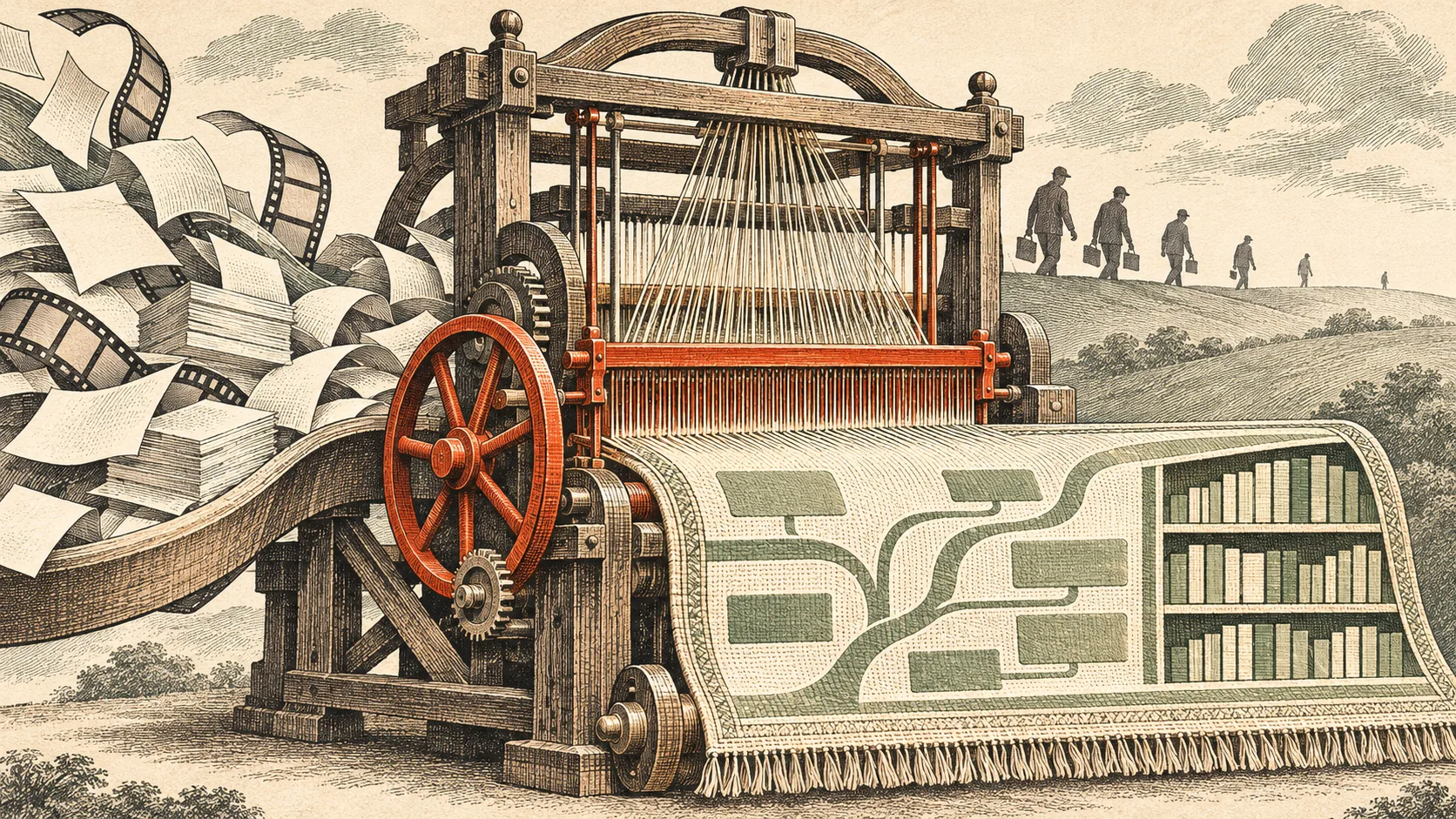
Studist began offering Teachme Knowledge on October 6, 2026. The service uses AI to organize scattered tacit knowledge and other internal information so it can be put to use. Suzuki said he focused on making it possible to “put knowledge in casually.” With conventional information-sharing systems, employees had to select, classify and register materials. Teachme Knowledge removes the requirement to sort materials before submission: users can upload videos, documents and reports without categorizing them, and AI summarizes and structures them afterward.
Users can ask questions about stored materials in natural language. The AI searches across past documents and examples to provide answers, with sources and relevant passages shown so users can check the original text. Studist says users can save answers as “notes” and share them internally, turning individual question-and-answer exchanges into organizational knowledge that future employees can use.