Ulster County Sheriff Ends AI Report Trial
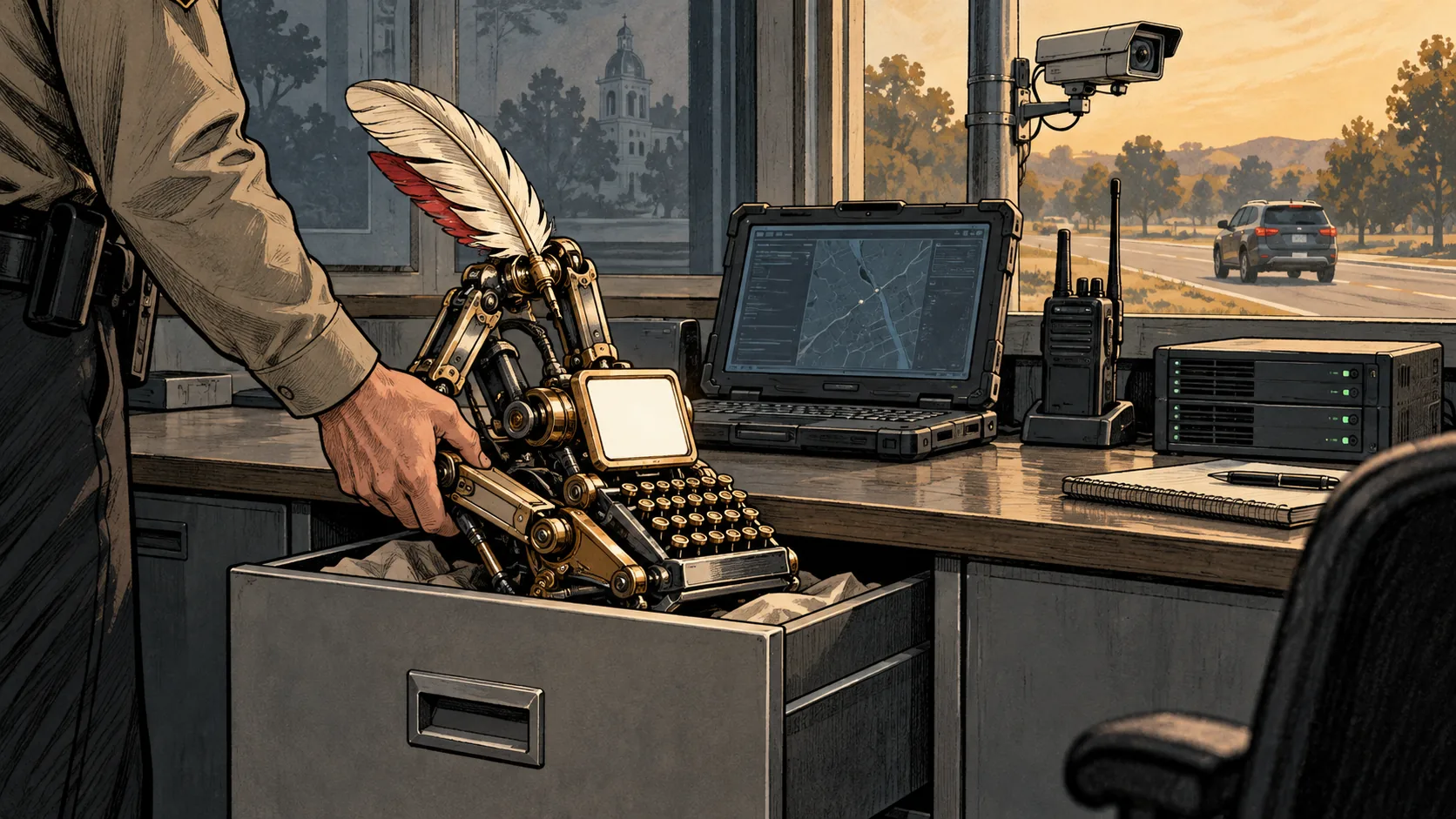
- •Ulster County Sheriff’s Office ended its 90-day Axon Draft One trial and will not adopt AI-assisted report writing
- •The office canceled plans for more Motorola license plate cameras but will keep using existing cameras
- •A $794,000 federal grant will support other upgrades, including computers, radios, and O.R.A.C.L.E. software
The Ulster County Sheriff’s Office in New York ended its trial of Axon Draft One and will not adopt the AI-assisted police report writing tool, the office said after a 90-day pilot that concluded October 9. The office also canceled plans to add Motorola automatic license plate reading cameras, though it will keep using its existing cameras. The decisions followed public and official concerns about surveillance and privacy.
On October 9, the U.S. Department of Justice announced a $794,000 federal grant for the sheriff’s office to modernize law enforcement technology, including more Motorola license plate readers and a planned Axon report-writing system. On October 14, Figueroa had described cautious plans to work with the county legislature on the technology and called license plate readers “huge” for the office. He credited the readers with helping resolve the homicide case of Damon Foy, who pleaded guilty on October 7 to killing his girlfriend.
Axon Draft One connects to body cameras, transcribes field conversations into a first draft of a police report, and can translate languages. Lt. Collin Reynolds said the pilot showed “a number of limited uses,” but the office decided the benefits did not justify the cost. County Executive Jen Metzger, who signed an executive order Thursday banning AI surveillance technologies within her administration, supported the sheriff’s decision and said she opposed first-draft technology.
The sheriff’s office said Motorola cameras photograph license plates to record where vehicles are and when, and are fully owned by the office; Reynolds stressed that they differ from Flock Technology cameras. He said the office must balance the readers’ law-enforcement value with individual rights, legal and ethical use, and community concerns. Reynolds said declining the AI tool will let the office use the federal grant for other upgrades, including computers, radio equipment, and dedicated software for Opinion Response As County Law Enforcement (O.R.A.C.L.E.). Sheriff Figueroa said the office would issue a full statement on its approach to AI and privacy.