Wall Street Sees Data Center Shifts After Midterms
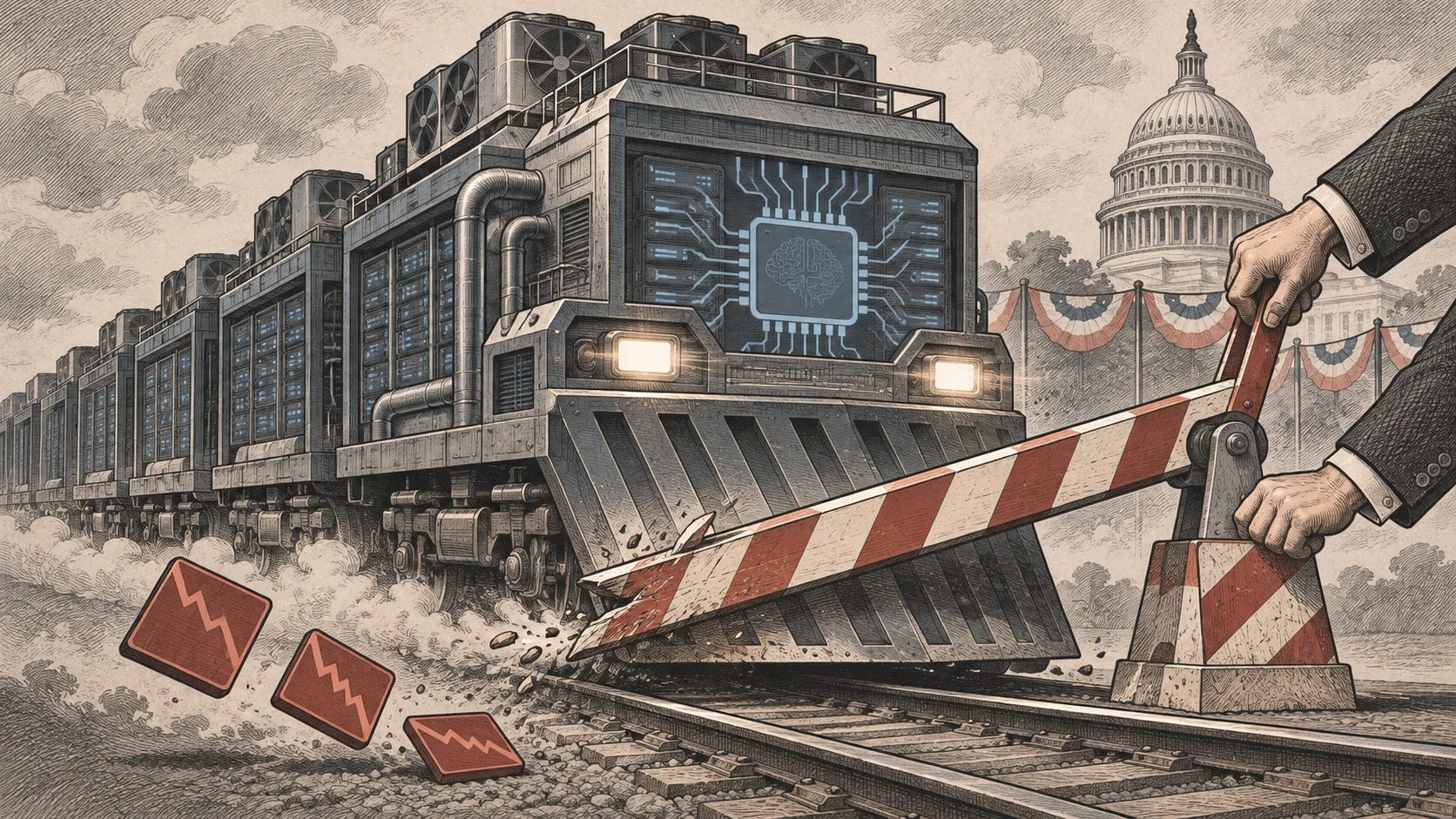
- •After Democrats won decisively in the U.S. midterms, concerns grew about AI data center regulation and slower construction.
- •CoreWeave fell 9.9% and SK Hynix ADR dropped 5.1%; Wall Street strategists saw little chance of a long-term halt to development.
- •Among 74 gubernatorial candidates across 36 states, 43% supported a pause or ban on data center construction.
After Democrats won decisively in the U.S. midterm elections, concerns grew about regulation of AI data centers. Bloomberg reported on the 4th, local time, that Wall Street strategists generally believed the results would not derail AI development over the long term, though they could slow its pace. On the day the results emerged, data center-related stocks fell sharply in New York: CoreWeave dropped 9.9% and SK Hynix American depositary receipts (ADRs) fell 5.1%.
Mabrouk Chetouane, head of market strategy at Natixis Investment Managers, said intense U.S.-China competition meant Democrats would not challenge measures already taken to compete in AI. Interactive Brokers strategist Steve Sosnick said gubernatorial wins and a change in control of Congress alone would not bring construction momentum to a complete stop. He said the pace of excessive spending and borrowing could instead slow to a manageable level, creating financial discipline in the industry even if that hurt suppliers.
Charlie McElligott, a strategist at Nomura Holdings, said expectations of more moderate data center construction had eased concerns about an unlimited investment race among hyperscale data center operators. Those expectations also partly reduced worries about financing through bond and equity issuance and the depletion of free cash flow (cash left after operating and capital costs). But some analysts said delays and uncertainty were unavoidable.
Texas governor-elect Gina Hinojosa pledged to pause data center construction until legislation establishing safeguards for residents is passed. Andrew Tyler, head of global market intelligence at JPMorgan Chase, said some see existing construction and permits continuing while new projects stop and potentially move to other states; another interpretation is that slower construction could reduce capital expenditure (spending on long-term assets). Brad Long, chief investment officer at Wellsphere, said the issues were location, timelines and regulatory processes rather than whether facilities would be built, and that investment and the realization of AI benefits could be delayed.
Keith Lerner, chief investment officer at Truist Advisory Services, said changes to tax incentives or local opposition could shift some projects elsewhere, but expected construction to proceed with more safeguards, similar to hydraulic fracturing. Matt Maley of Miller Tabak Securities warned that opposition to AI was growing and that a year-end rally could be difficult in a midterm election year. He said opposition to data centers would become an issue in the 2028 presidential election.
A Data Center Watch analysis cited by The Texas Tribune found that 43% of 74 gubernatorial candidates across 36 states supported a temporary pause or ban on data center construction. Long said politicians who saw the Texas example might join efforts, regardless of party, to protect their states from data centers. Tyler expected investors to keep pursuing technology stocks and a rebound, while the market became more selective about winners and losers in technology and AI. Peter Tchir, chief strategist at Academy Securities, also predicted that some projects would be delayed but construction would ultimately proceed.