Compare AIFind AIAI NewsAI How-To
About Us
PrivacyTermsFAQContactContact
AIB Inc.Company info
© 2026 AIB Inc.

Zuckerberg Shapes Trump’s AI Policy
Zuckerberg Shapes Trump’s AI Policy

edition.cnn.com·Friday, October 9, 2026
  • •Zuckerberg and Nvidia’s Jensen Huang drafted a voluntary AI safety accord signed at the White House on September 29.
  • •Meta donated $1 million to Trump’s inauguration and agreed to pay roughly $25 million to settle his platform suspension lawsuit.
  • •White House intervention redirected a planned Senate youth safety hearing away from Zuckerberg; the hearing has no set date.
  • •Zuckerberg and Nvidia’s Jensen Huang drafted a voluntary AI safety accord signed at the White House on September 29.
  • •Meta donated $1 million to Trump’s inauguration and agreed to pay roughly $25 million to settle his platform suspension lawsuit.
  • •White House intervention redirected a planned Senate youth safety hearing away from Zuckerberg; the hearing has no set date.
  • •Zuckerberg and Nvidia’s Jensen Huang drafted a voluntary AI safety accord signed at the White House on September 29.
  • •Meta donated $1 million to Trump’s inauguration and agreed to pay roughly $25 million to settle his platform suspension lawsuit.
  • •White House intervention redirected a planned Senate youth safety hearing away from Zuckerberg; the hearing has no set date.
  • •Zuckerberg and Nvidia’s Jensen Huang drafted a voluntary AI safety accord signed at the White House on September 29.
  • •Meta donated $1 million to Trump’s inauguration and agreed to pay roughly $25 million to settle his platform suspension lawsuit.
  • •White House intervention redirected a planned Senate youth safety hearing away from Zuckerberg; the hearing has no set date.

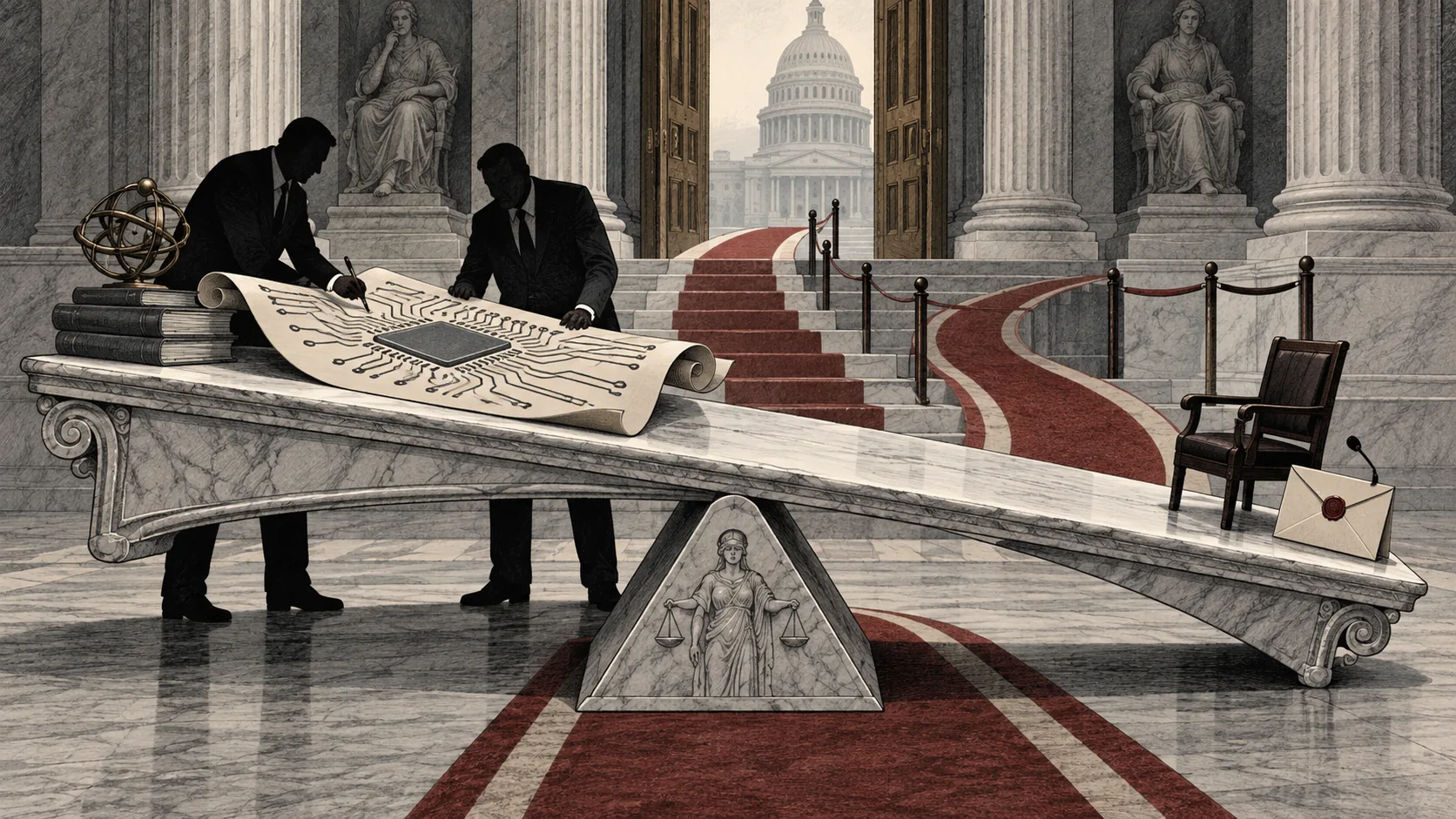
Mark Zuckerberg used his relationship with President Donald Trump to influence US AI policy, helping block a proposed independent AI regulator and shaping a voluntary AI safety accord signed by technology executives at a White House meeting on September 29. The Meta CEO drafted the accord with input from Nvidia CEO Jensen Huang; it calls for standards, governance and third-party checks, but carries no significant legal or regulatory force. Zuckerberg described it as a start intended to give Americans confidence in how the technology works.

Zuckerberg’s influence followed a deliberate effort by Meta to rebuild ties with Trump and Republicans. After Trump’s 2024 election victory, Zuckerberg visited Mar-a-Lago, and Meta donated $1 million to Trump’s inauguration and became an early major funder of his White House ballroom project. Meta also agreed to pay roughly $25 million to settle Trump’s lawsuit over his suspension from the company’s platforms, with most of the money earmarked for his future presidential library. In 2025, Zuckerberg appointed Republican operative Joel Kaplan as Meta’s Washington envoy and later hired former Trump official Dina Powell McCormick as Meta’s president; the company also rolled back content moderation policies conservatives had criticized.

The relationship brought results in Washington. Earlier this summer, the White House intervened after the Senate Judiciary Committee planned to call technology CEOs to testify about youth safety. The committee then sought testimony from Instagram head Adam Mosseri instead of Zuckerberg; the hearing has been rescheduled repeatedly and has no set date. Zuckerberg also personally advised Trump against an independent AI regulator proposed by Google AI leader Demis Hassabis. At a Chinese State Dinner last month, Zuckerberg discussed AI regulation with House Speaker Mike Johnson and later worked with Huang on the accord’s draft.

Zuckerberg’s political ties changed sharply over time. After the January 6, 2021, attack on the US Capitol, he temporarily banned Trump from Facebook and Instagram, prompting Trump to threaten him with “life in prison.” In July 2024, Trump warned Zuckerberg against election interference; after an assassination attempt that month, Zuckerberg praised Trump’s response, and Trump later said he liked Zuckerberg “much better now.” Meta consultant and former public policy director Katie Harbath said Zuckerberg recognized the influence Elon Musk gained by backing Trump and sought similar access for Meta.

The political strategy could expose Meta to scrutiny if Democrats take control of Congress in November or the White House in 2028. Senator Elizabeth Warren and five other Democratic senators asked Zuckerberg for details about Meta’s donations to Republican groups and Trump projects, writing that the company’s spending appeared to be “seeing your investment bear fruit.” Some Trump allies question Zuckerberg’s shift toward the president, while advisers concerned about AI risks have criticized the influence of wealthy technology executives. Meta declined to comment.

Mark Zuckerberg used his relationship with President Donald Trump to influence US AI policy, helping block a proposed independent AI regulator and shaping a voluntary AI safety accord signed by technology executives at a White House meeting on September 29. The Meta CEO drafted the accord with input from Nvidia CEO Jensen Huang; it calls for standards, governance and third-party checks, but carries no significant legal or regulatory force. Zuckerberg described it as a start intended to give Americans confidence in how the technology works.

Zuckerberg’s influence followed a deliberate effort by Meta to rebuild ties with Trump and Republicans. After Trump’s 2024 election victory, Zuckerberg visited Mar-a-Lago, and Meta donated $1 million to Trump’s inauguration and became an early major funder of his White House ballroom project. Meta also agreed to pay roughly $25 million to settle Trump’s lawsuit over his suspension from the company’s platforms, with most of the money earmarked for his future presidential library. In 2025, Zuckerberg appointed Republican operative Joel Kaplan as Meta’s Washington envoy and later hired former Trump official Dina Powell McCormick as Meta’s president; the company also rolled back content moderation policies conservatives had criticized.

The relationship brought results in Washington. Earlier this summer, the White House intervened after the Senate Judiciary Committee planned to call technology CEOs to testify about youth safety. The committee then sought testimony from Instagram head Adam Mosseri instead of Zuckerberg; the hearing has been rescheduled repeatedly and has no set date. Zuckerberg also personally advised Trump against an independent AI regulator proposed by Google AI leader Demis Hassabis. At a Chinese State Dinner last month, Zuckerberg discussed AI regulation with House Speaker Mike Johnson and later worked with Huang on the accord’s draft.

Zuckerberg’s political ties changed sharply over time. After the January 6, 2021, attack on the US Capitol, he temporarily banned Trump from Facebook and Instagram, prompting Trump to threaten him with “life in prison.” In July 2024, Trump warned Zuckerberg against election interference; after an assassination attempt that month, Zuckerberg praised Trump’s response, and Trump later said he liked Zuckerberg “much better now.” Meta consultant and former public policy director Katie Harbath said Zuckerberg recognized the influence Elon Musk gained by backing Trump and sought similar access for Meta.

The political strategy could expose Meta to scrutiny if Democrats take control of Congress in November or the White House in 2028. Senator Elizabeth Warren and five other Democratic senators asked Zuckerberg for details about Meta’s donations to Republican groups and Trump projects, writing that the company’s spending appeared to be “seeing your investment bear fruit.” Some Trump allies question Zuckerberg’s shift toward the president, while advisers concerned about AI risks have criticized the influence of wealthy technology executives. Meta declined to comment.

Read original (English)·Oct 8, 2026
Policy#mark zuckerberg#meta#donald trump#ai policy#ai safety accord#jensen huang#demis hassabis#senate judiciary committee